
The Implications of Oil Reaching the $100 Milestone for Inflation and Market Dynamics
- Authors

- Name
- MarketVibe Team
- @1marketvibe
Oil Reaches $100: Inflation and Market Dynamics in Focus
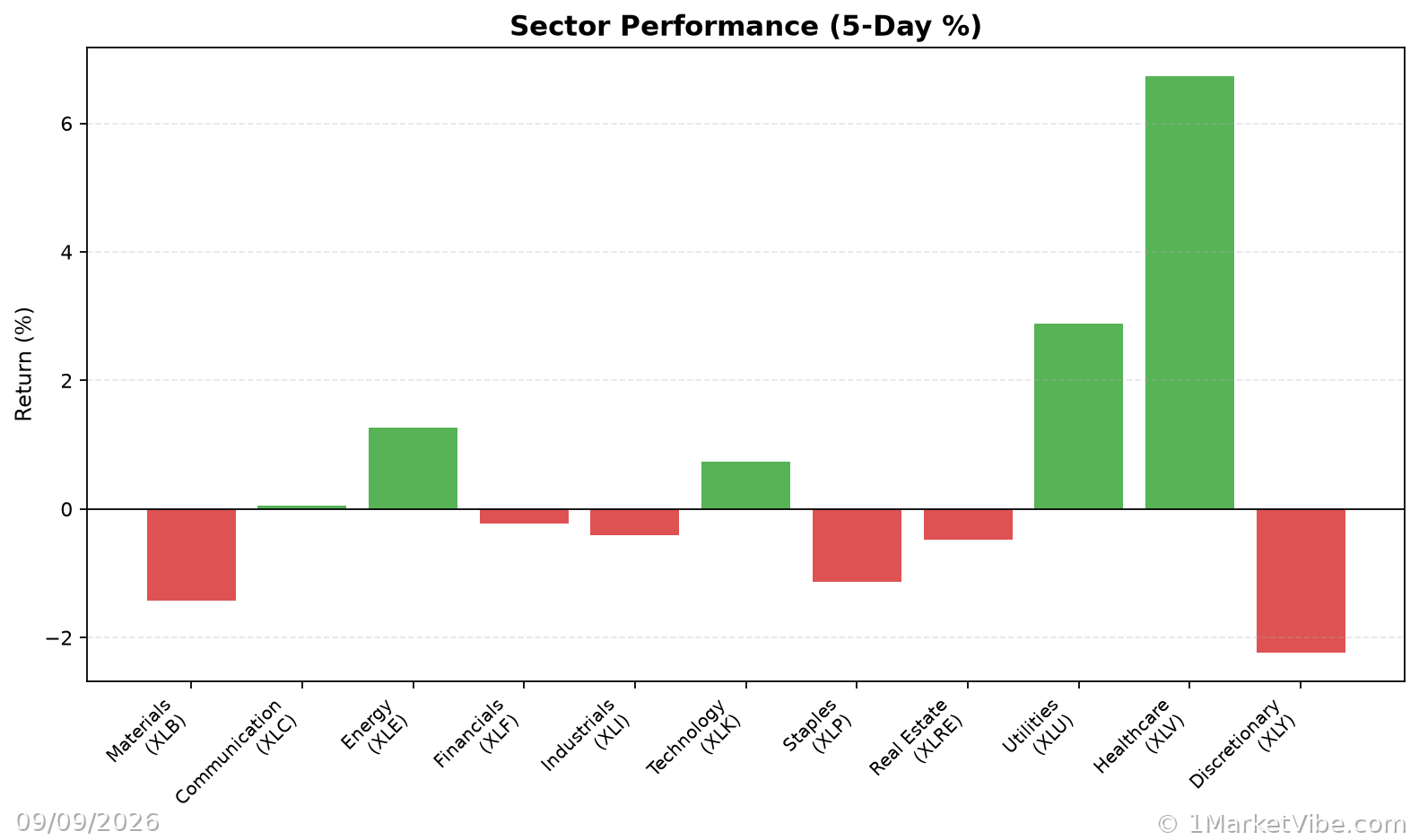
Breaking News: On September 9, 2026, oil prices surged past the $100 per barrel mark, a significant milestone that has sent ripples through global markets. This development comes as tensions between Washington and Tehran escalate, further tightening the already strained supply lines. The Dow Jones Industrial Average reacted sharply, dropping 475 points, while the S&P 500 also saw declines. Brent crude, a major benchmark, is now trading near this critical level, raising concerns about inflationary pressures.
Why It Matters
The immediate impact of oil reaching $100 is a heightened sense of volatility across financial markets. For investors, this translates into increased uncertainty, particularly in sectors heavily reliant on energy costs, such as transportation and manufacturing. The rise in oil prices is a clear signal of potential inflationary pressures, which could lead to higher costs for goods and services, squeezing consumer spending and potentially slowing economic growth. Market sentiment has shifted towards caution, as investors weigh the risks of sustained high energy prices.
Context & Background
Historically, oil price surges have often preceded periods of economic instability. The last time oil prices hovered around $100 was in 2014, a period marked by significant geopolitical tensions and economic adjustments. The current rise can be attributed to a combination of factors, including geopolitical tensions in the Middle East, particularly between the U.S. and Iran, and production cuts by major oil-producing nations. These elements have converged to create a supply crunch, pushing prices upward.
Key stakeholders affected include energy-dependent industries, consumers facing higher fuel costs, and governments grappling with inflationary pressures. The broader economic implications are significant, as rising oil prices can lead to increased costs across various sectors, impacting everything from transportation to food prices.
What's Next
Investors should closely monitor upcoming OPEC meetings and geopolitical developments, as these will be critical in determining the future trajectory of oil prices. The current CW Index reading of 5.82 suggests that the market was already on alert for potential disruptions, indicating that this trend was somewhat predictable.
Potential scenarios include further price increases if geopolitical tensions escalate or a stabilization if diplomatic resolutions are reached. Investors are advised to watch for shifts in market sentiment and adjust their portfolios accordingly, considering hedging strategies to mitigate risks associated with volatile energy prices.
Conclusion
The surge in oil prices to $100 per barrel is a pivotal event with far-reaching implications for inflation and market dynamics. As the situation develops, investors should remain vigilant, tracking real-time market responses and adjusting their strategies to navigate this complex landscape.
Track how markets respond in real-time at 1marketvibe.com.
Disclaimer: This article is for informational purposes only and does not constitute financial advice. Always consult with a financial advisor before making investment decisions.
Sources:
- MarketWatch: Stock Market Today: Dow off 475 points, S&P 500 lower as Brent crude edges toward $100 a barrel
- CNBC: Here’s where rental demand is heading and what it means for future home sales
Charts