

Dow Declines 400 Points as Oil Prices Rise
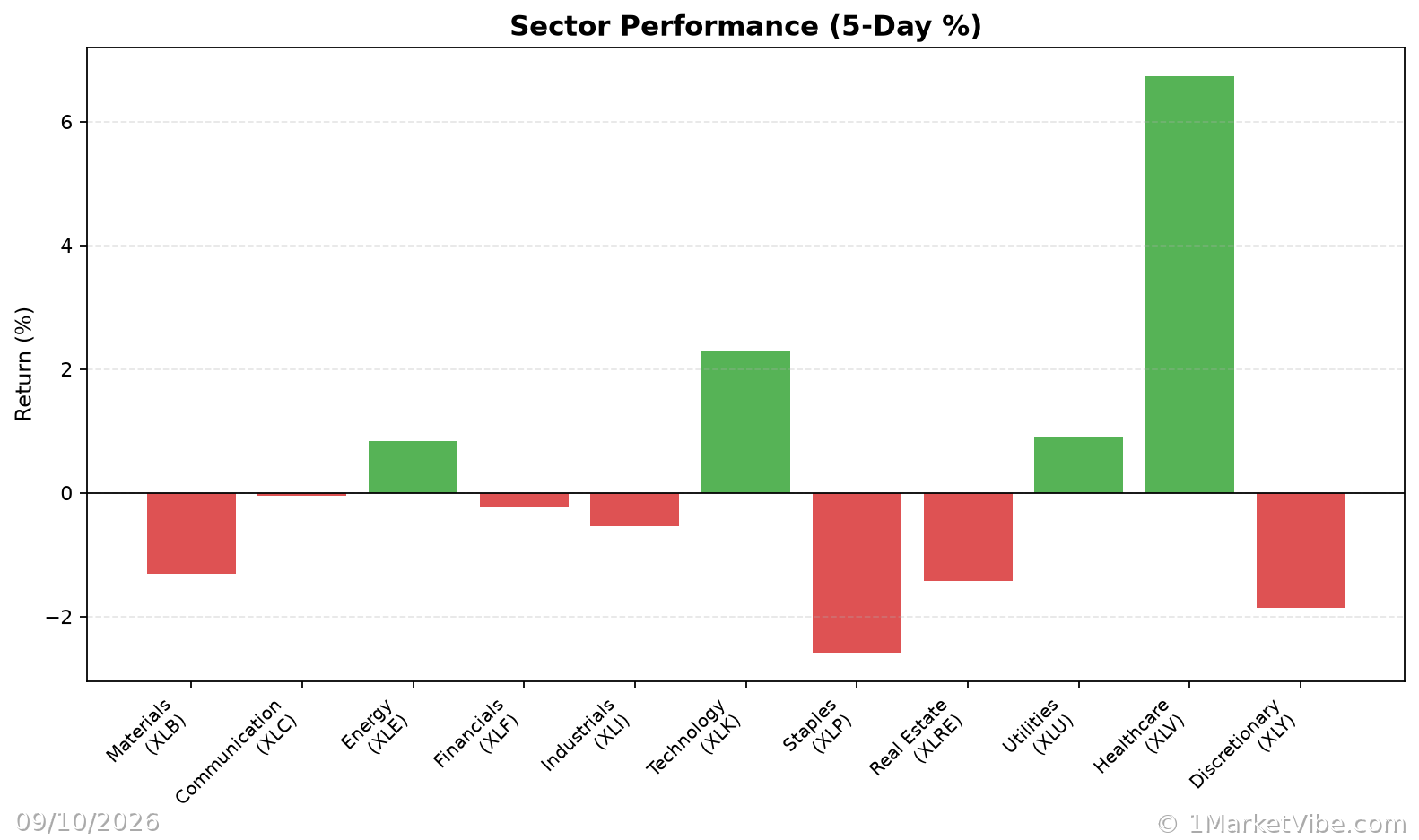
Breaking News: The Dow Jones Industrial Average plummeted 400 points on Wednesday, September 10, 2026, as oil prices surged past $101 per barrel for the first time since July. This significant drop reflects investor concerns over escalating energy costs amid ongoing geopolitical tensions between the U.S. and Iran. The decline was felt across major indices, with the S&P 500 and Nasdaq also experiencing losses.
Why It Matters
For investors, this downturn signals a potential increase in market volatility driven by rising energy costs. The surge in oil prices can lead to higher inflation, impacting consumer spending and corporate profit margins. As energy expenses climb, sectors such as transportation and manufacturing may face increased pressure, potentially affecting stock valuations and investor sentiment.
Context & Background
Historically, spikes in oil prices have often led to broader economic challenges. The current rise is attributed to geopolitical tensions, particularly the U.S.-Iran conflict, which has disrupted supply chains and heightened market uncertainty. Key stakeholders, including energy companies and industries heavily reliant on oil, are directly impacted. Notably, Shell's stock saw gains as it surpassed entry points, benefiting from the price increase.
What's Next
Investors should closely monitor upcoming economic reports and geopolitical developments that could further influence oil prices and market dynamics. The U.S. Treasury Department's decision to buy back up to $6 billion in longer-term debt, tripling the usual level, could also play a role in stabilizing financial markets. Additionally, MarketVibe's CW Index, currently at 6.27, suggests that this trend was anticipated, indicating potential for continued volatility.
For investors, this means:
- Watch for: Further oil price fluctuations and their impact on inflation.
- Upcoming events: Economic data releases and geopolitical updates.
- Potential scenarios: Continued market volatility if oil prices remain high.
Track how markets respond in real-time at 1marketvibe.com.
Disclaimer: This article is for informational purposes only and should not be construed as financial advice. Always consult with a financial advisor before making investment decisions.
Charts