


Oil Prices Surge as Middle East Tensions Rise
Breaking News: Oil prices have surged by over 10% to reach $95 per barrel as of September 8, 2026, following escalating tensions in the Middle East. The geopolitical unrest has sparked concerns over potential supply disruptions, sending shockwaves through global markets. This price hike marks the highest level since early 2023, with Brent crude leading the charge in the energy sector.
Why It Matters
For investors, this surge in oil prices signals immediate volatility in energy markets and potential ripple effects across various sectors. The sharp increase is likely to impact inflation rates, as higher energy costs can translate into increased prices for goods and services. Market sentiment has shifted towards caution, with investors closely monitoring developments in the Middle East. The CW Index, a key market risk indicator, has ticked up to 5.75, reflecting heightened market anxiety.
Context & Background
Historically, geopolitical tensions in the Middle East have led to significant fluctuations in oil prices. The current situation stems from renewed conflicts in the region, which have raised fears of supply chain disruptions. Key stakeholders affected include energy companies, transportation sectors, and countries heavily reliant on oil imports. The last comparable surge occurred in 2019, during similar geopolitical unrest, which also saw oil prices spike dramatically.
Impact on Energy Stocks
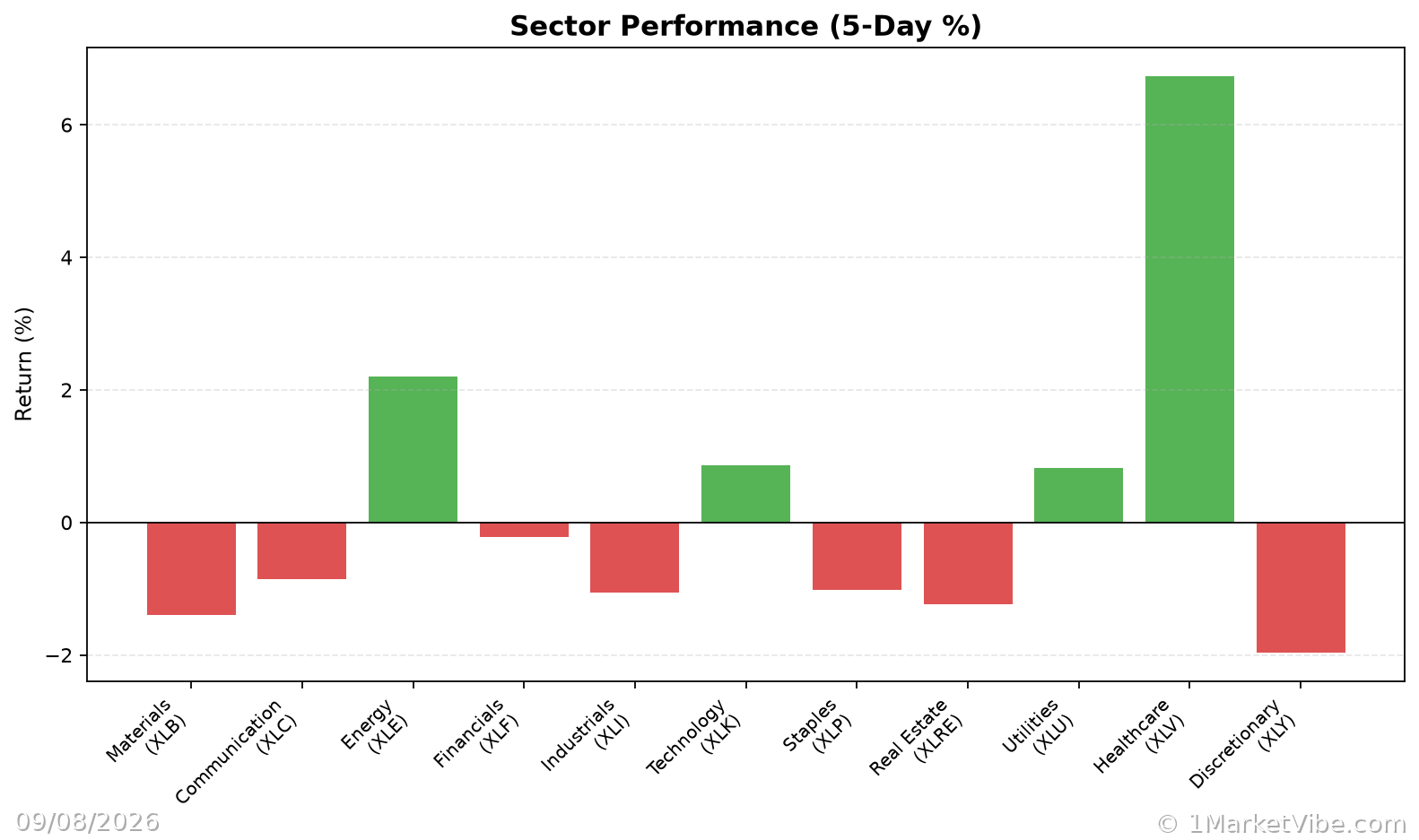
Energy stocks have reacted with mixed signals. Major oil companies are experiencing a boost in stock prices due to increased profit margins from higher oil prices. However, sectors dependent on oil, such as airlines and logistics, are facing downward pressure due to rising operational costs. Investors should brace for potential volatility in these sectors as the situation unfolds.
Inflation Risks Analysis
The surge in oil prices could exacerbate existing inflationary pressures. As energy costs rise, the cost of production and transportation for various goods is likely to increase, potentially leading to higher consumer prices. Central banks may face challenges in balancing inflation control with economic growth, influencing monetary policy decisions in the coming months.
Market Sentiment
Market sentiment has shifted towards caution, with investors adopting a wait-and-see approach. The uncertainty surrounding the Middle East situation has led to increased demand for safe-haven assets, such as gold and government bonds. This sentiment shift underscores the importance of monitoring geopolitical developments and their potential impact on global markets.
What's Next
Investors should keep a close eye on diplomatic efforts to resolve the Middle East tensions, as any progress could lead to stabilization in oil prices. Upcoming OPEC meetings and potential policy changes will also be critical in shaping the future trajectory of oil markets. In the short term, volatility is expected to persist, with potential scenarios ranging from further price increases to stabilization if tensions ease.
Track how markets respond in real-time at 1marketvibe.com.
Disclaimer: This article is for informational purposes only and does not constitute financial advice.