

OpenAI Achieves 54% Efficiency Boost in AI-Driven Market Sectors
- Authors

- Name
- MarketVibe Team
- @1marketvibe
OpenAI Achieves 54% Efficiency Boost in AI-Driven Market Sectors
In a groundbreaking development, OpenAI has announced a 54% increase in token efficiency with its latest AI model, GPT-5.6 Sol, unveiled on July 9, 2026. This significant leap in efficiency, particularly in agentic coding tasks, positions OpenAI at the forefront of AI technology, as confirmed by CEO Sam Altman in an exclusive interview with CNBC. The model's launch, initially limited to a select group of partners, marks a pivotal moment in AI-driven market sectors.
Why It Matters
The immediate market impact of this efficiency boost is profound. For investors, this means potential reductions in operational costs and enhanced productivity across AI-driven sectors such as coding and automation. The efficiency gains could lead to a revaluation of companies heavily invested in AI technologies, influencing stock prices and investment strategies. Market sentiment is cautiously optimistic, with stakeholders eager to see how these advancements will translate into tangible business outcomes.
Context & Background
Historically, advancements in AI efficiency have driven significant shifts in market dynamics. OpenAI's journey from a nonprofit research entity in 2015 to a major player valued at $852 billion underscores the rapid evolution of AI technology. The company's collaboration with U.S. government officials highlights the importance of regulatory compliance and safety in deploying powerful AI models. This efficiency boost comes amid competitive pressures from rivals like Meta and Anthropic, both of which are also advancing their AI capabilities.
Market Implications
- Operational Costs: Companies leveraging AI can expect reduced costs due to increased efficiency.
- Productivity Gains: Enhanced AI models can lead to improved productivity in sectors reliant on coding and automation.
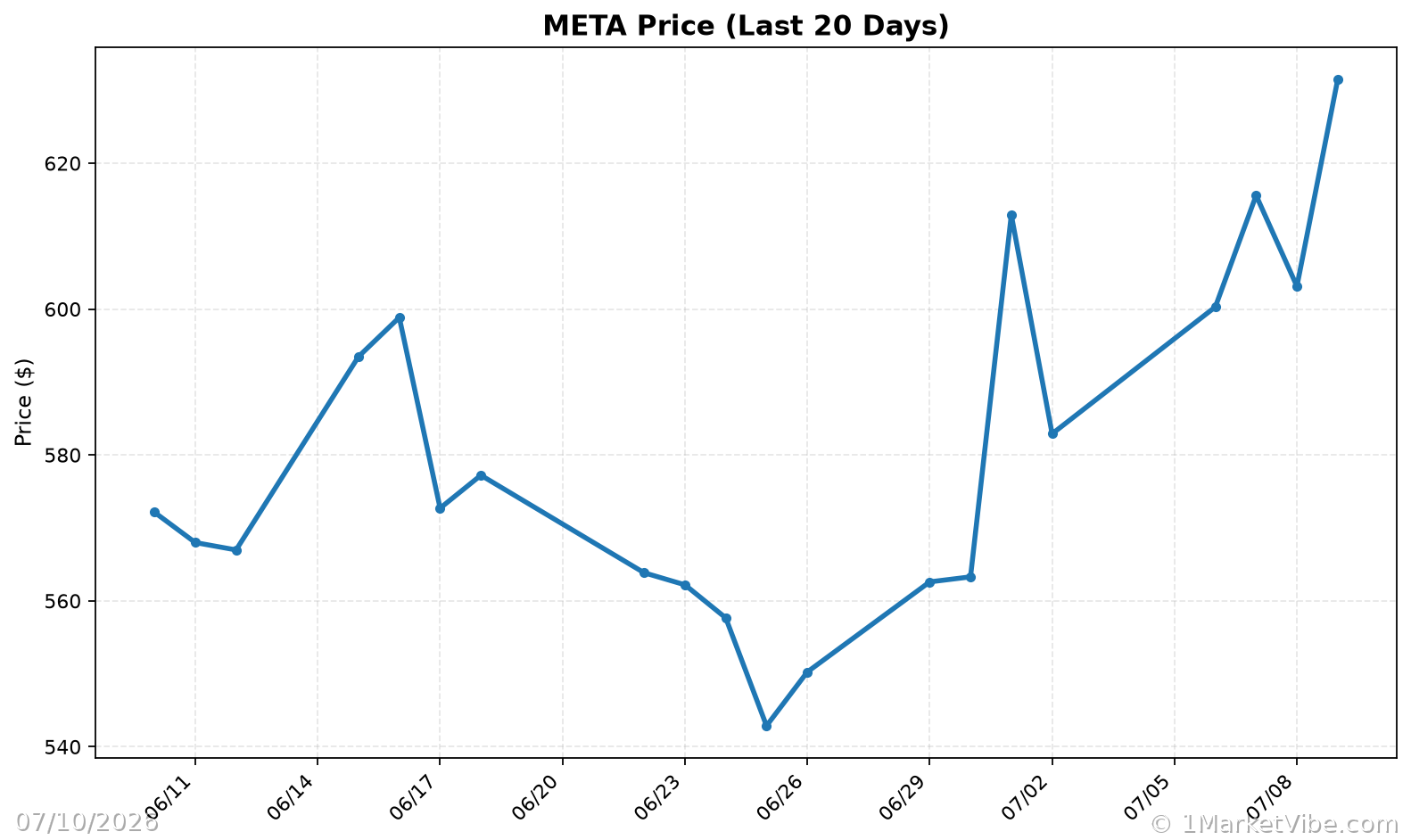
- Competitive Pressure: Rivals such as Meta, which recently launched its Muse Spark 1.1 model, may face increased pressure to innovate.
Competitive Landscape
OpenAI's advancements have prompted competitors to accelerate their own AI developments. Meta's recent entry into the AI coding market with its upgraded Muse Spark model is a direct response to OpenAI's strides. This competitive landscape is likely to intensify, with companies like Anthropic and SpaceX also making significant moves in the AI space.
Challenges Ahead
Despite the promising efficiency gains, rapid advancements in AI pose potential risks, including market volatility and regulatory challenges. Investors should remain vigilant about the broader implications of these developments, as regulatory bodies may impose new guidelines to ensure safety and ethical use of AI technologies.
Expert Opinions
Industry leaders are divided on the long-term impact of OpenAI's efficiency boost. While some see it as a catalyst for innovation and growth, others caution against the potential for market disruptions and ethical concerns. The consensus, however, leans towards cautious optimism, with a focus on responsible AI deployment.
What's Next
Investors should watch for further announcements from OpenAI regarding potential public market debuts, as well as any regulatory developments that could impact the AI sector. The timeline for broader access to GPT-5.6 Sol remains a key factor in assessing future market movements.
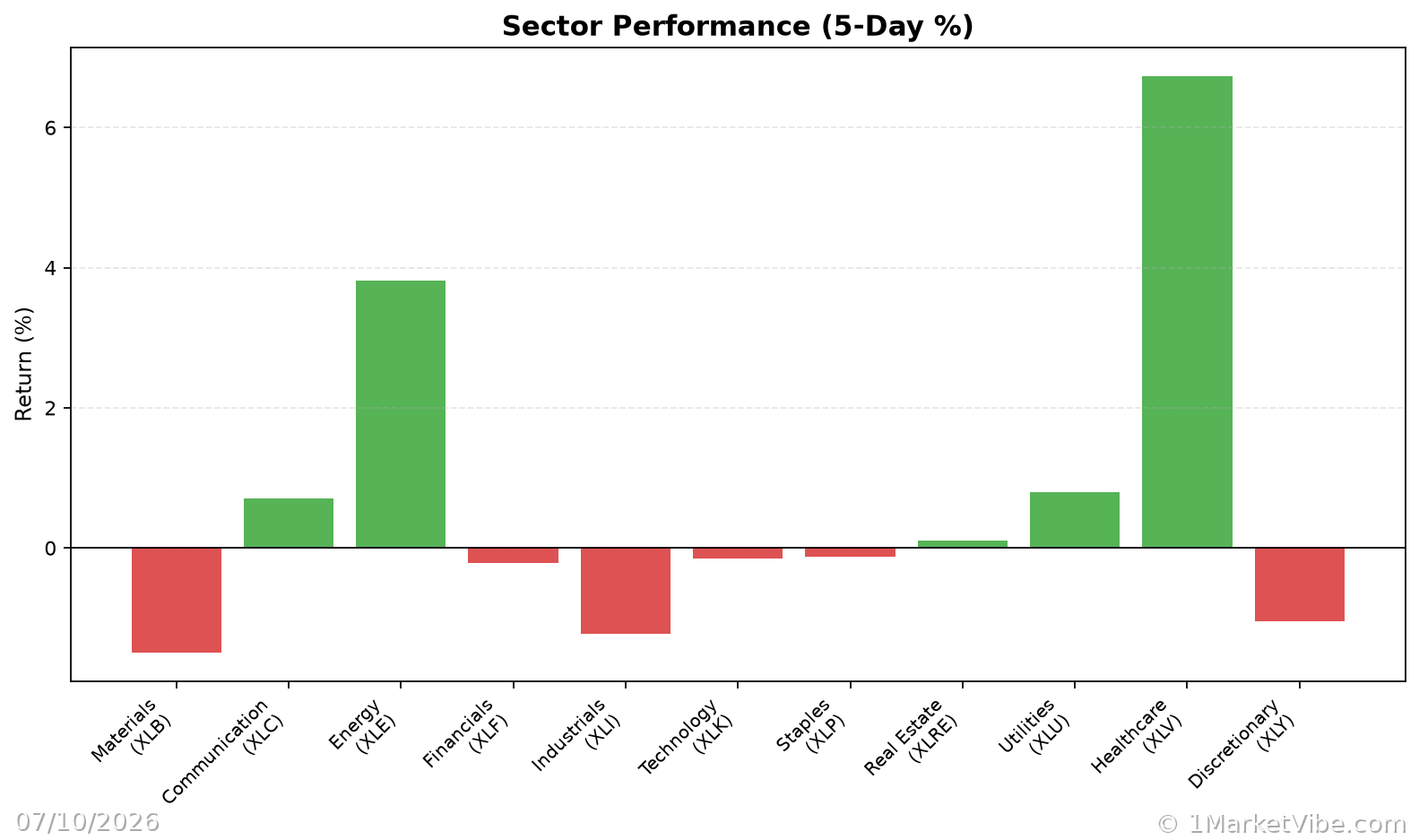
For real-time updates on how markets respond to these developments, track the story at 1marketvibe.com.
Disclaimer: This article is for informational purposes only and does not constitute financial advice. Always consult with a financial advisor before making investment decisions.
Sources:
- CNBC: OpenAI's newest AI model is 54% more token efficient on agentic coding
- CNBC: Meta jumps into AI coding market in effort to chase Anthropic and OpenAI