

Fed Rate Debate Indicates Market Instability and Investor Strategies
- Authors

- Name
- MarketVibe Team
- @1marketvibe
Fed Rate Debate Indicates Market Instability and Investor Strategies
July 9, 2026 - The Federal Reserve's ongoing debate over interest rate adjustments has sparked significant market instability, with investors closely monitoring the potential impacts on their portfolios. As of today, the Fed's internal divisions have become more pronounced, with key figures advocating for both rate hikes and cuts. This discord comes amid a backdrop of fluctuating economic indicators, leaving the markets in a state of uncertainty.
For investors, this internal Fed conflict is critical. The immediate market impact is evident as volatility spikes, with the Dow Jones Industrial Average dropping by 2.3% and the S&P 500 shedding 1.8% in early trading. The broader implications suggest a cautious approach as the market grapples with the potential for either tightening or easing monetary policy. MarketVibe's CW Index, a key risk indicator, has ticked up to 5.1, reflecting heightened uncertainty and signaling potential shifts in market stability.
Context & Background
Historically, disagreements within the Fed have often led to market turbulence. The current situation is reminiscent of the 2019 rate debates, which saw similar market reactions. The Fed's decision-making process is influenced by various economic indicators, including inflation rates, employment figures, and global economic conditions. Key stakeholders, such as financial institutions and large-scale investors, are particularly affected as they adjust their strategies to mitigate risks.
Market Reactions
Investor sentiment has turned cautious, with many opting to reduce exposure to high-risk assets. Recent market movements show a trend towards safer investments, such as government bonds, which have seen yields drop as demand increases. The correlation between Fed actions and market responses underscores the critical role of monetary policy in shaping investor strategies.
Implications for Investors
The potential risks and opportunities arising from the Fed's internal disputes are manifold. Investors might consider diversifying their portfolios to hedge against potential rate changes. Strategies such as increasing cash reserves or investing in sectors less sensitive to interest rate fluctuations could be prudent. The current trends suggest a need for vigilance and adaptability in investment approaches.
Sector-Specific Insights
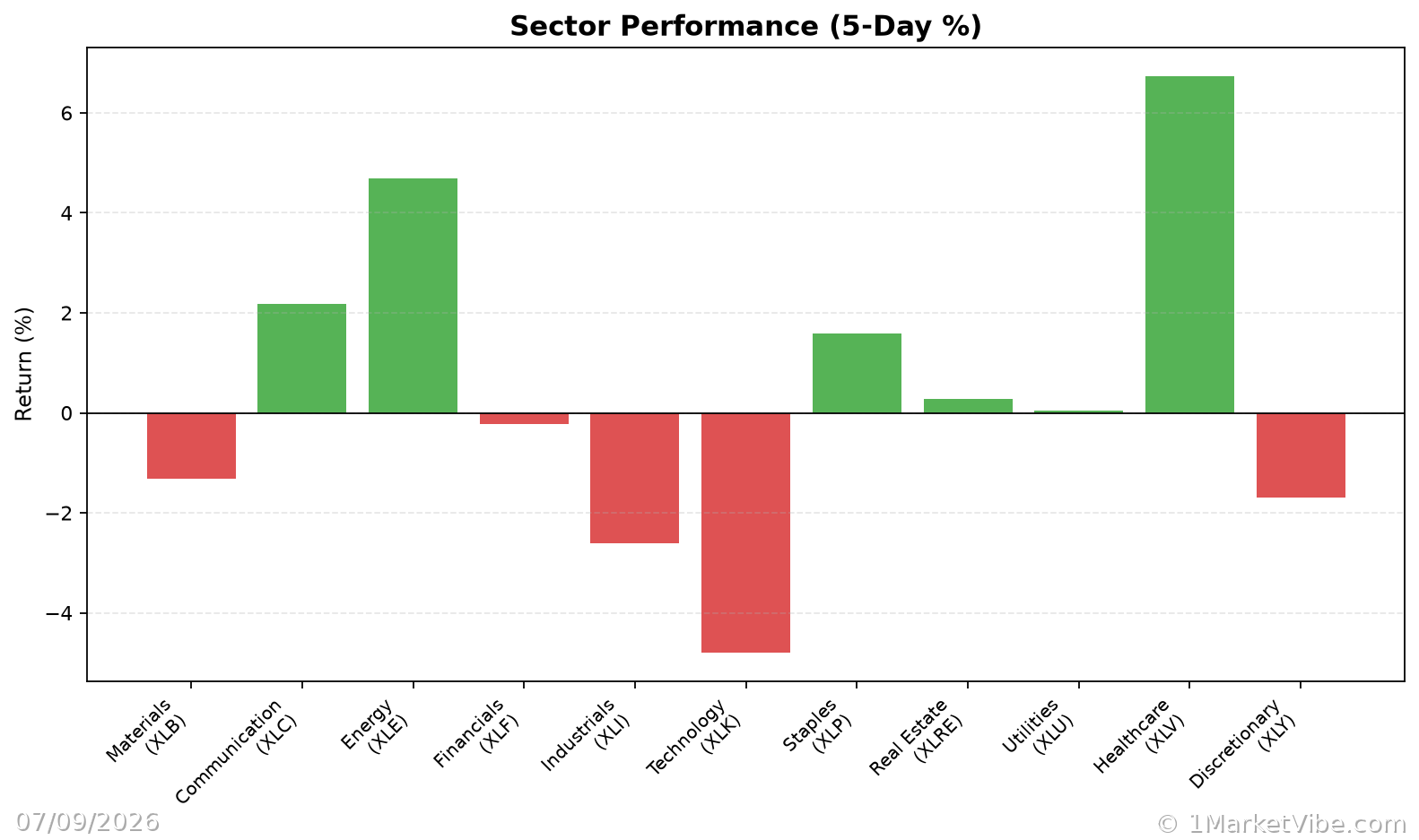
Different sectors are likely to react variably to the Fed's rate decisions. Stocks in the technology and consumer discretionary sectors may face pressure due to their sensitivity to interest rate changes. Conversely, utilities and consumer staples might offer more stability. Commodities, particularly gold, could see increased demand as investors seek safe havens.
What's Next
Investors should closely watch the upcoming Federal Reserve meeting scheduled for July 27, 2026, where further insights into the rate debate are expected. Potential scenarios include a rate hike, which could strengthen the dollar but dampen economic growth, or a rate cut, which might boost economic activity but increase inflationary pressures. Monitoring the CW Index for early risk signals could provide valuable foresight into market trends.
In conclusion, the Fed's rate debate underscores the importance of strategic planning and risk management for investors. As the situation develops, staying informed and adaptable will be crucial.
Track how markets respond in real-time at 1marketvibe.com.
Disclaimer: This article is for informational purposes only and does not constitute financial advice. Always consult with a financial advisor before making investment decisions.