
Mideast Tensions and Their Potential Impact on Market Volatility
- Authors

- Name
- MarketVibe Team
- @1marketvibe
Mideast Tensions and Their Potential Impact on Market Volatility
Breaking News: Rising Geopolitical Tensions
July 13, 2026 – In a dramatic escalation of geopolitical tensions, the U.S. and Iran have exchanged new attacks over the strategic Strait of Hormuz. This development has sent crude oil prices soaring and triggered mixed reactions in global markets. As of this morning, Dow Jones futures remained relatively stable, while S&P 500 and Nasdaq futures experienced declines. The immediate market response highlights the fragile balance investors face amidst geopolitical unrest.
Why It Matters: Market Implications
The Strait of Hormuz is a critical chokepoint for global oil shipments, and any disruption can have significant implications for energy prices and market stability. The current situation has already caused a spike in oil prices, which could lead to increased costs for businesses and consumers alike. For investors, this means heightened volatility and potential shifts in market sentiment as they navigate the uncertainties of geopolitical risks.
Context & Background: Historical Parallels
Geopolitical tensions in the Middle East have historically led to market volatility. Similar incidents in the past have resulted in temporary spikes in oil prices and fluctuations in stock markets. The current tensions stem from longstanding political and military conflicts in the region, exacerbated by recent incidents involving U.S. and Iranian forces. Key stakeholders, including energy companies and defense contractors, are closely monitoring the situation as it unfolds.
Current Market Sentiment
Despite the rising tensions, market sentiment remains cautiously neutral. Investors are weighing the potential impacts on global supply chains and energy costs. The CW Index, a key market volatility indicator, has ticked up to 4.6, signaling rising risks but not yet reaching levels of extreme concern. This suggests that while investors are alert, panic has not set in.
Sector Impacts
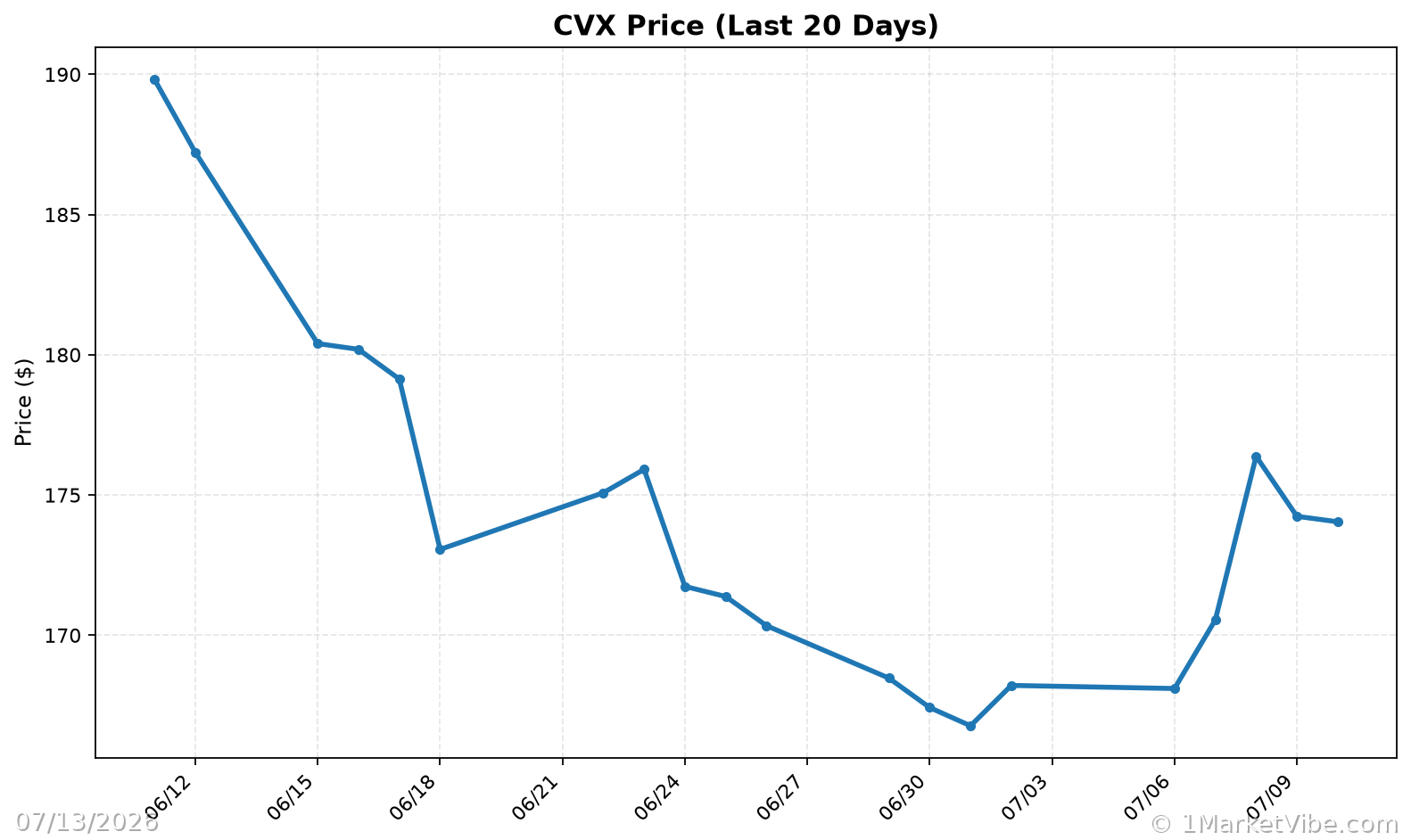
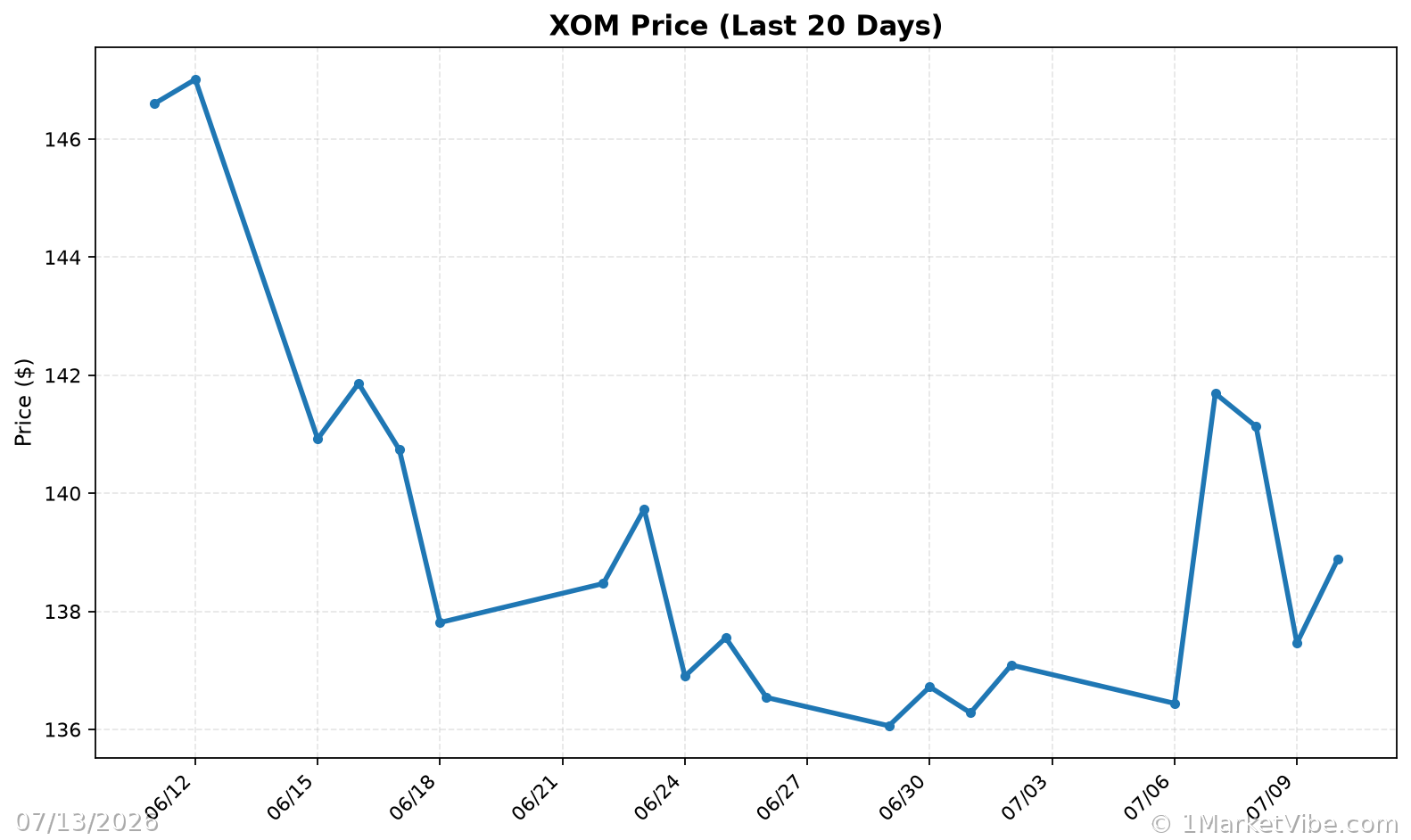
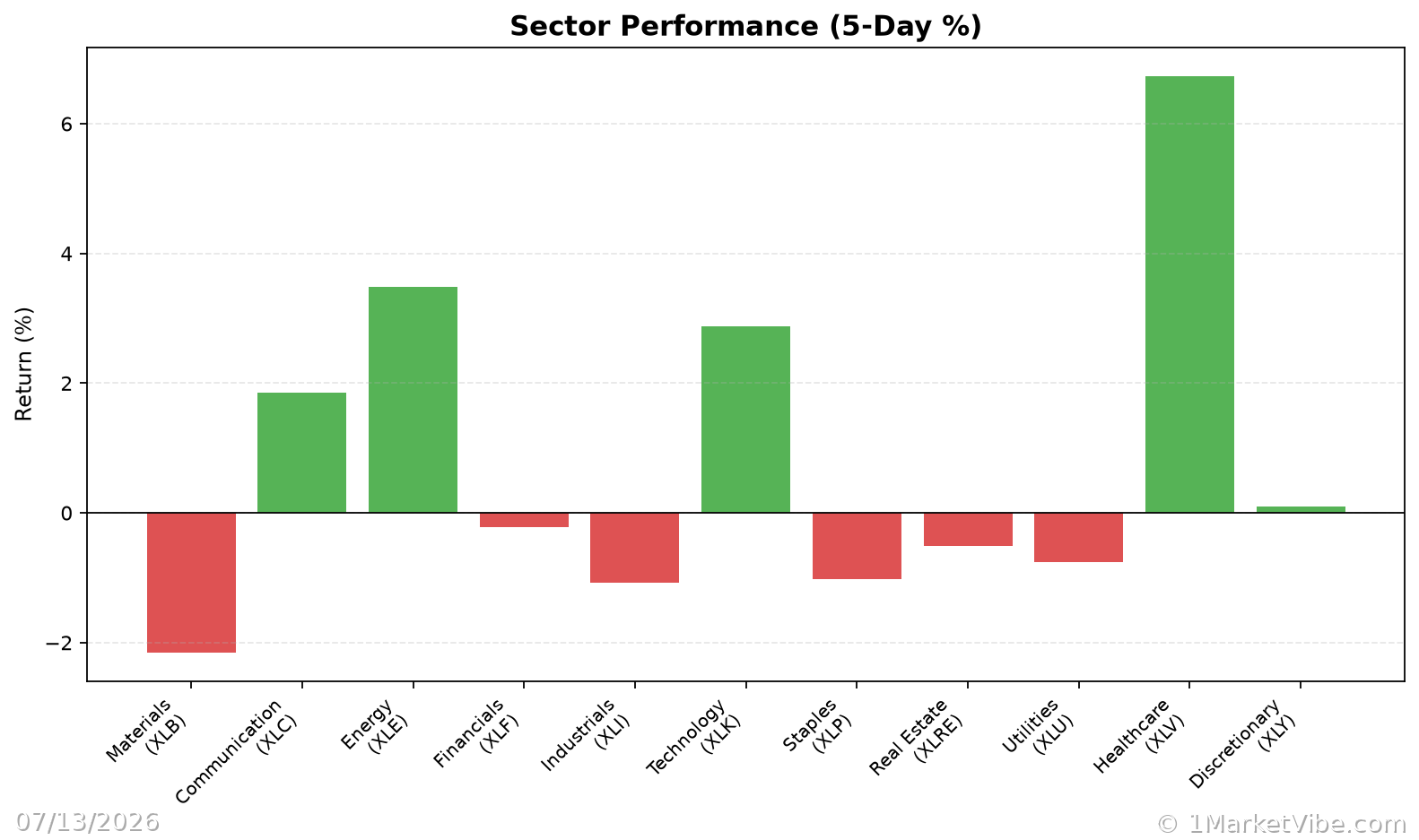
- Energy Sector: Likely to see increased volatility due to fluctuating oil prices. Companies like Chevron and ExxonMobil may experience short-term gains.
- Defense Sector: Potentially poised for growth as geopolitical tensions could lead to increased defense spending.
- Technology Sector: Showing resilience, with companies like Taiwan Semiconductor reporting strong sales despite broader market pressures.
Investor Reactions
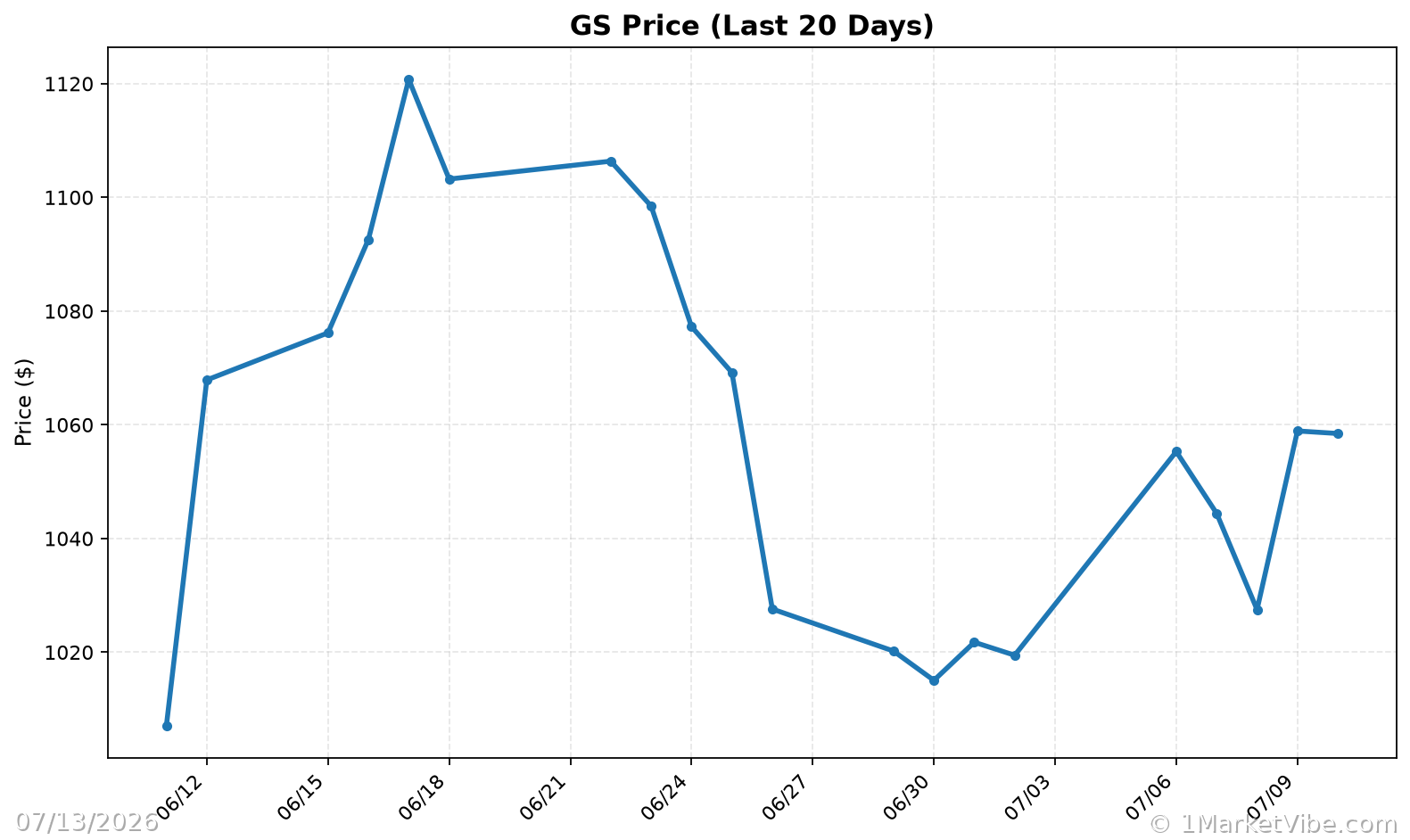
Investors are adopting a cautious approach, with many reassessing their portfolios to mitigate potential risks. Market futures indicate a mixed outlook, with some sectors poised for growth while others face uncertainty. Major companies such as Goldman Sachs and GE Aerospace are closely analyzing the situation to adjust their strategies accordingly.
What's Next: Monitoring Developments
Investors should keep a close eye on further developments in the Middle East and their potential ripple effects across global markets. Upcoming events, such as diplomatic talks or military actions, could significantly influence market dynamics. Monitoring the CW Index for early risk signals can provide valuable insights into potential market shifts.
Conclusion
The current geopolitical tensions in the Middle East underscore the importance of vigilance and strategic planning for investors. As the situation evolves, staying informed and adaptable will be crucial in navigating the potential market volatility.
Monitor risk signals as this story develops at 1marketvibe.com.
Disclaimer: This article is for informational purposes only and should not be construed as financial advice. Market conditions can change rapidly, and past performance is not indicative of future results.
Charts