


Oil Prices Approach $100 Amid Market Instability
Breaking News: September 7, 2026 — Oil prices are nearing the critical $100 per barrel mark, sparking concerns across global markets. As of today, Brent crude futures rose to $99.50, marking a significant increase from last month's average of $87.30. This surge comes amid escalating geopolitical tensions and supply chain disruptions, primarily affecting the Middle East and Russia.
Why It Matters
For investors, this sharp rise in oil prices signals potential volatility across various sectors. The immediate impact is a likely increase in transportation and manufacturing costs, which could ripple through to consumer prices, exacerbating inflationary pressures. Market sentiment has shifted towards caution, with the CW Index ticking up to 5.75, indicating heightened risk awareness among investors.
Context & Background
Historically, oil price spikes have often preceded broader economic instability. The current situation is reminiscent of the 2008 financial crisis when oil prices surged past $140, contributing to global economic turmoil. The present rise is fueled by a combination of factors, including reduced output from OPEC nations and ongoing conflicts in oil-rich regions. Key stakeholders such as energy companies, transportation sectors, and consumers are bracing for the potential fallout.
Supply Chain Challenges
The oil market is grappling with significant supply constraints. Recent geopolitical developments, including sanctions on Russian oil exports and production cuts by OPEC, have tightened global supply. These factors are compounded by logistical bottlenecks and increased demand as economies rebound post-pandemic. The result is a precarious balance that could tip further into instability if current trends persist.
Market Instability Indicators
The correlation between rising oil prices and market volatility is becoming increasingly evident. Investors are advised to monitor the CW Index, which provides early warning signals of market shifts. The current reading suggests a cautious approach, as the index's predictive capabilities indicate potential turbulence in the coming weeks.
Inflation Concerns
High oil prices have historically been a precursor to inflationary spikes. As energy costs rise, so do the prices of goods and services, putting pressure on central banks to adjust monetary policies. The last time oil approached these levels, inflation surged, leading to increased interest rates and tighter financial conditions. Investors should be mindful of these potential outcomes as they assess their portfolios.
Sector Vulnerabilities
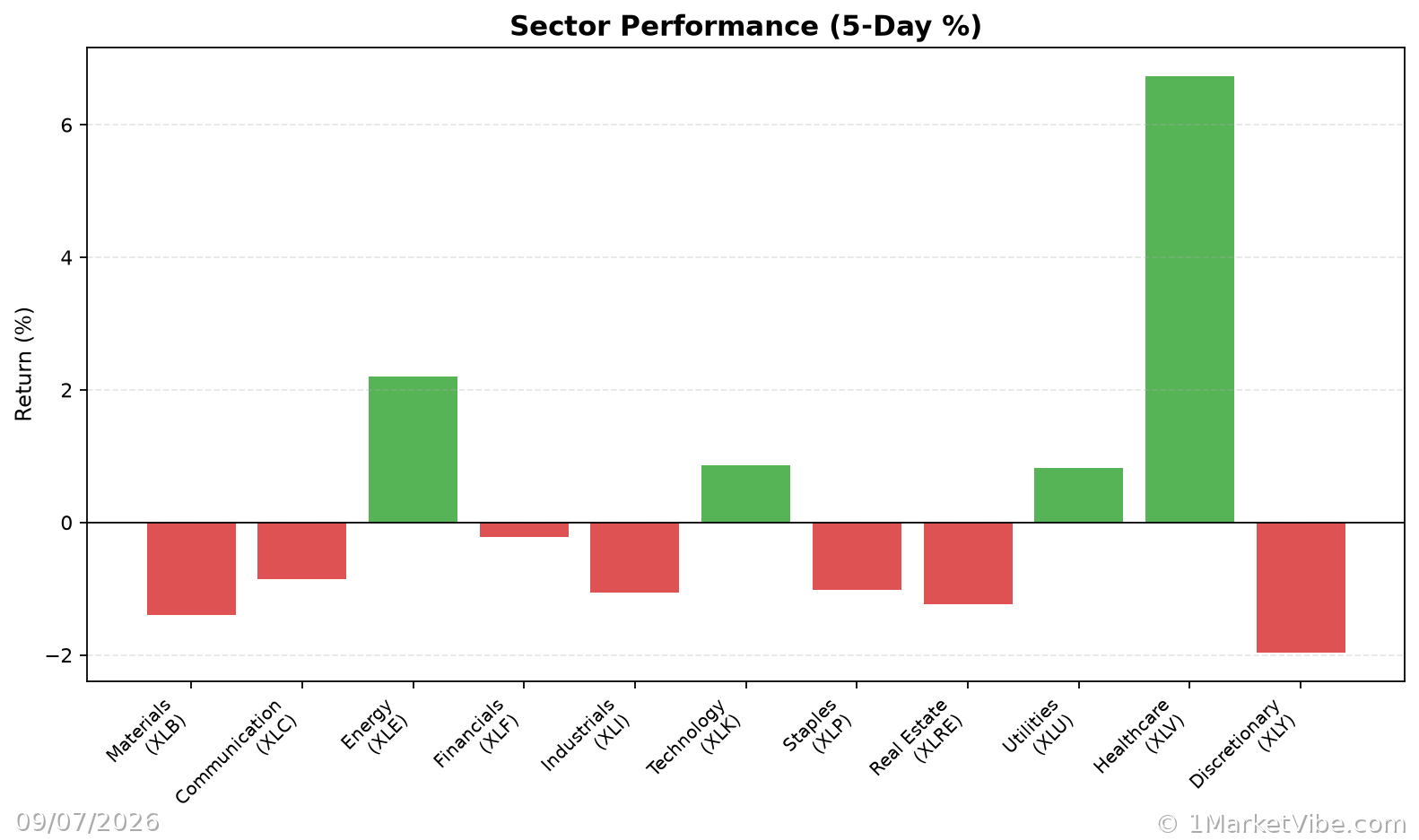
Certain sectors are more vulnerable to rising oil prices. Transportation, logistics, and manufacturing industries face increased operational costs, which could squeeze profit margins. Additionally, consumer-facing sectors may experience reduced demand as discretionary spending tightens. Investors should consider these dynamics when evaluating sector-specific risks.
Expert Opinions
Market analysts are divided on the future trajectory of oil prices. Some predict a stabilization if geopolitical tensions ease, while others warn of further increases if supply disruptions persist. Diverse perspectives highlight the uncertainty facing investors, underscoring the need for vigilant market monitoring.
Conclusion
As oil prices edge closer to the $100 threshold, investors are urged to remain vigilant and consider the broader implications of this trend. Monitoring the CW Index and adjusting risk exposure accordingly could be prudent steps in navigating the current market landscape.
Track how markets respond in real-time at 1marketvibe.com.
Disclaimer: This article is for informational purposes only and does not constitute financial advice.