
Oil Prices Surge and the CW Index's Implications for Market Volatility
- Authors

- Name
- MarketVibe Team
- @1marketvibe
Oil Prices Surge and the CW Index's Implications for Market Volatility
March 03, 2026 — In a dramatic turn of events, oil prices have surged to their highest levels in four years, with Brent crude nearing $80 per barrel. This spike follows escalating military tensions between the United States and Iran, which have intensified across the Middle East. The conflict has sent shockwaves through global markets, causing stocks to tumble and the dollar to rally.
Why It Matters
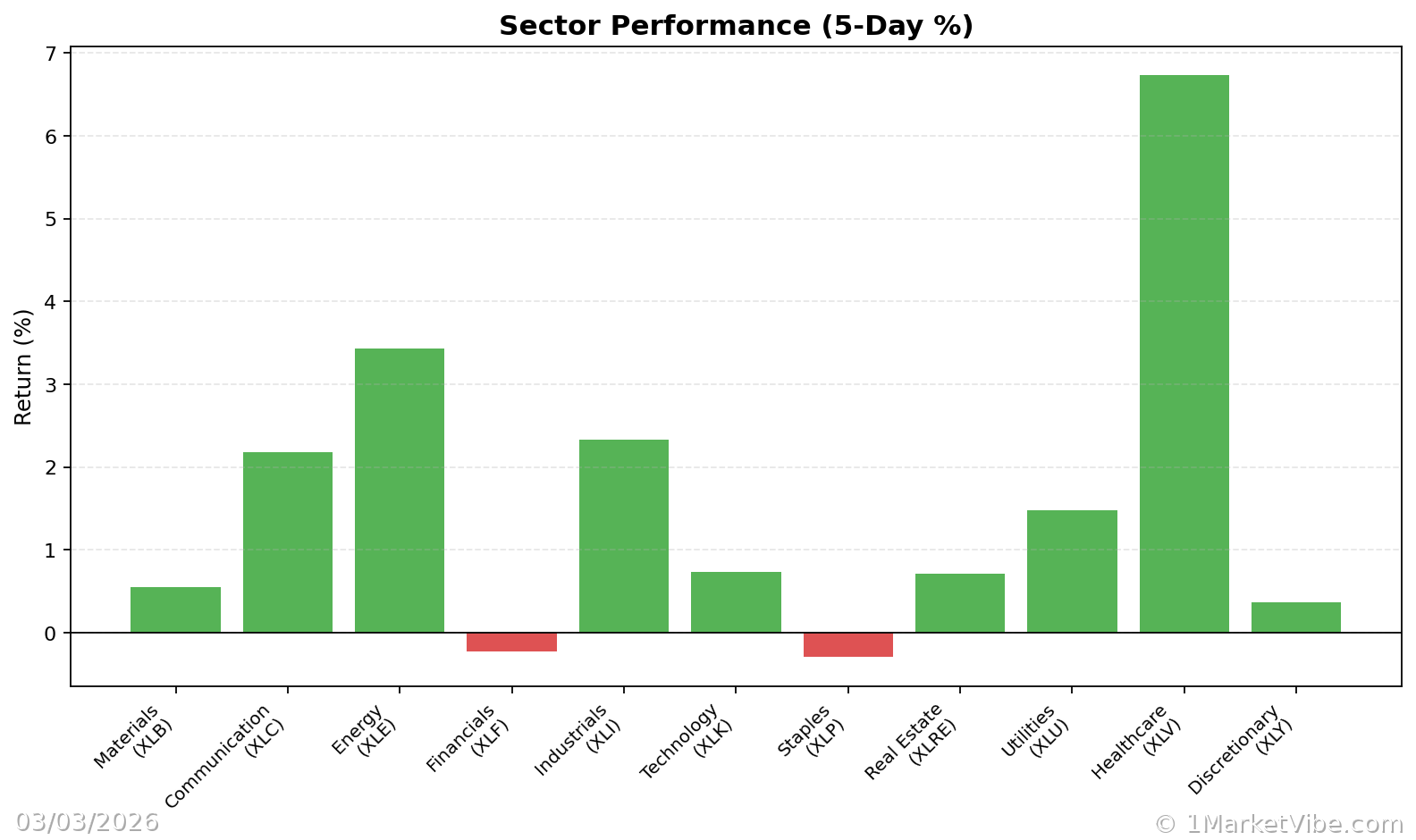
For investors, the immediate impact is a heightened sense of market volatility. The surge in oil prices is not just a reflection of geopolitical tensions but also a harbinger of potential economic disruptions. Energy costs are a critical component of global supply chains, and any sustained increase can ripple through various sectors, affecting everything from manufacturing to consumer goods. The CW Index, a key market volatility indicator, has ticked up to 6.4, signaling increased risk and uncertainty in the financial markets.
Context & Background
Historically, geopolitical conflicts in the Middle East have led to significant fluctuations in oil prices. Similar spikes were observed during the Gulf War and the Iraq War, both of which resulted in market instability. The current situation is exacerbated by the strategic importance of the region's oil reserves and the potential for supply disruptions. Key stakeholders, including OPEC, are closely monitoring the situation, as their decisions will be crucial in stabilizing the market.
What's Next
Investors should brace for continued volatility as the conflict unfolds. Key events to watch include potential diplomatic negotiations and any announcements from OPEC regarding production adjustments. In the short term, oil prices may remain elevated, but predicting long-term trends is challenging due to the fluid nature of geopolitical events.
- Monitor position sizing: Adjust exposure in sectors directly impacted by rising energy costs.
- Consider hedging strategies: If the CW Index continues to trend upwards, protective measures may be prudent.
Conclusion
The surge in oil prices amid the US-Iran conflict underscores the interconnectedness of global markets and the importance of geopolitical stability. As investors navigate this turbulent landscape, staying informed and agile will be crucial.
Track how markets respond in real-time at 1marketvibe.com.
Sources:
- Bloomberg: Stocks Slump as US-Iran War Lifts Brent Toward $80: Markets Wrap
- BBC News: Oil prices jump and shares fall as conflict escalates
Disclaimer: This article is for informational purposes only and does not constitute financial advice. Always consult with a financial advisor before making investment decisions.
Charts