
Iran Crisis Drives Surge in Oil Prices: Key Insights for Investors
- Authors

- Name
- MarketVibe Team
- @1marketvibe
Iran Crisis Drives Surge in Oil Prices: Key Insights for Investors
March 02, 2026 – In a dramatic turn of events, oil prices have surged by 15% to $110 per barrel following escalating tensions in Iran. Over the weekend, US and Israeli forces launched airstrikes, intensifying geopolitical instability in the Middle East. This development has sent shockwaves through global markets, with investors scrambling to adjust their portfolios in response to the heightened risk environment.
Why It Matters
The immediate impact of this crisis is a sharp increase in oil prices, which could lead to higher costs for industries reliant on oil, from transportation to manufacturing. For investors, this surge signals increased volatility and potential shifts in market sentiment. The broader implications include potential inflationary pressures as energy costs rise, affecting consumer prices globally. MarketVibe's CW Index, which provides early risk signals, has ticked up to 5.2, reflecting the heightened market anxiety.
Context & Background
Historically, geopolitical tensions in the Middle East have often led to spikes in oil prices. The current crisis was precipitated by the death of Iran's Supreme Leader, Ayatollah Khamenei, which has opened the door to potential regime change. This uncertainty has been compounded by military actions, drawing parallels to past conflicts that disrupted oil supplies and led to economic ripples worldwide. Key stakeholders affected include oil-dependent economies and sectors, as well as investors with significant exposure to these areas.
What's Next
Investors should closely monitor developments in the Middle East, as further escalations could lead to additional market volatility. Key events to watch include potential retaliatory actions by Iran and any diplomatic efforts to de-escalate tensions. Analysts suggest that oil prices could continue to rise if the situation worsens, potentially reaching $120 per barrel. Additionally, the CW Index's current reading suggests that investors should remain vigilant, as the situation could evolve rapidly over the next 4-6 weeks.
Safe-Haven Strategies in Response
In response to the crisis, many investors are turning to safe-haven assets such as US Treasuries and gold, which have historically provided stability during periods of geopolitical uncertainty. Bitcoin has also seen a surge, with prices topping $68,000, as investors seek alternative stores of value. For investors, this means considering adjustments to portfolio allocations to mitigate risk and capitalize on potential opportunities in the commodities and safe-haven sectors.
Market Predictions and CW Index
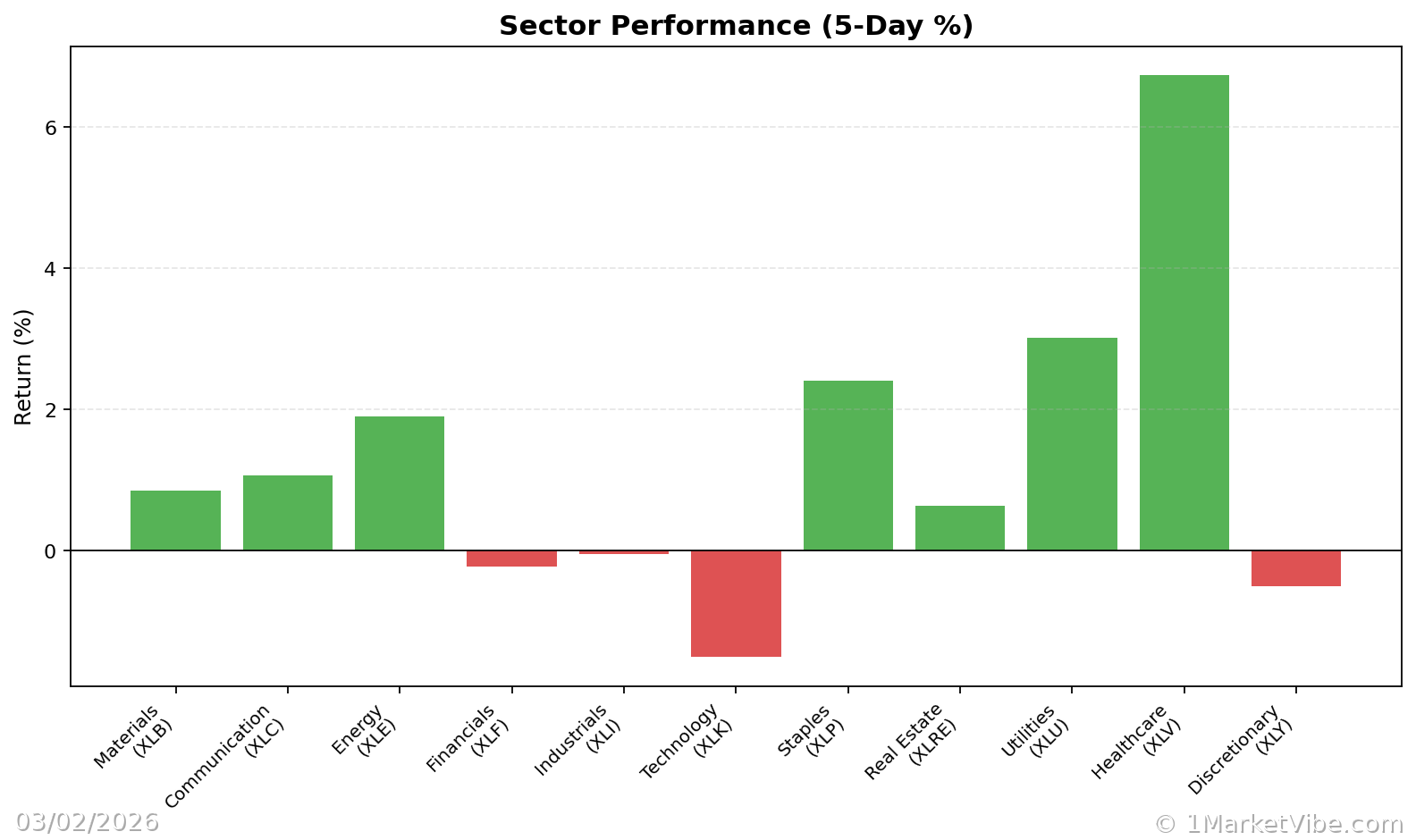
The CW Index's early warning capability has proven prescient, as it aligns with the current market turbulence. Investors are advised to monitor position sizing and adjust risk exposure in affected sectors. Hedging strategies may become increasingly important if the CW Index continues to trend upwards, indicating sustained volatility.
Broader Economic Implications
Beyond immediate market reactions, the Iran crisis could have lasting economic implications. Rising oil prices may contribute to global inflation, impacting everything from transportation costs to consumer goods. This could lead to central banks reassessing monetary policies, potentially affecting interest rates and economic growth forecasts.
Conclusion
As the situation in Iran unfolds, investors must stay informed and agile. The current crisis underscores the importance of monitoring geopolitical developments and their impact on global markets. For real-time updates and risk signals, visit 1marketvibe.com.
Disclaimer: This article is for informational purposes only and does not constitute financial advice.
Sources:
- Bloomberg: Polymarket Iran Bets Hit $529 Million
- Bloomberg: Wall Street Turns to ‘Haven-First’ Strategies
- CoinDesk: Bitcoin price news after Iran confirms Khamenei death
Charts