
Oil Prices Surge as CW Index Indicates Impact of Strait of Hormuz
- Authors

- Name
- MarketVibe Team
- @1marketvibe
Oil Prices Surge as CW Index Indicates Impact of Strait of Hormuz
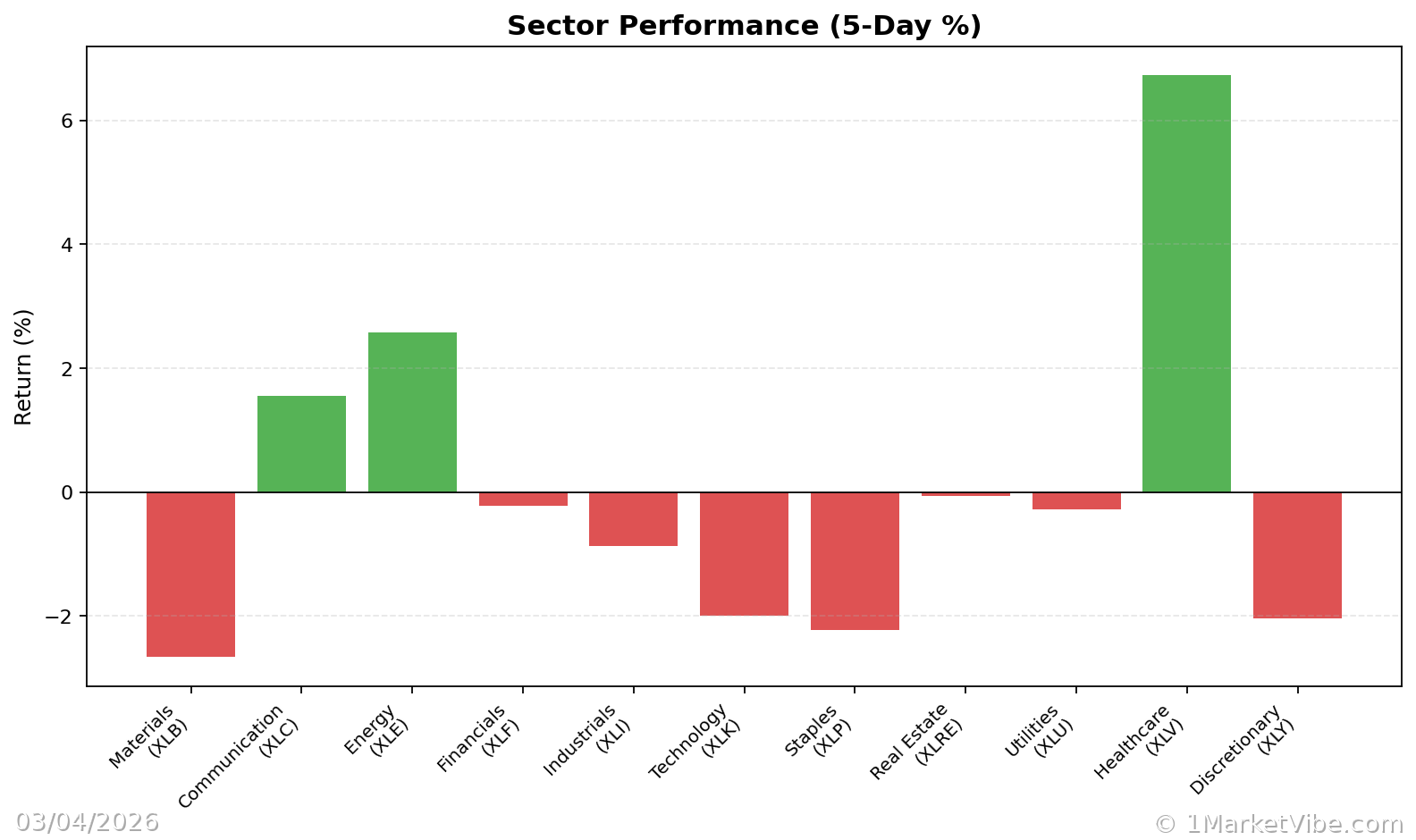
March 04, 2026 — In a dramatic turn of events, oil prices have surged sharply following the temporary closure of the Strait of Hormuz by Iran. The closure, announced during live fire exercises by the Iranian Revolutionary Guard, has halted tanker traffic through this critical passageway, which channels approximately 20% of the world's oil supply. As of today, crude oil prices have climbed above $75 per barrel, reflecting the immediate impact of this geopolitical tension.
Why It Matters
For investors, the Strait of Hormuz is not just a geographic location but a vital artery in the global energy supply chain. The disruption has sent ripples across markets, with oil prices soaring and related sectors experiencing heightened volatility. The CW Index, MarketVibe's proprietary risk indicator, has ticked up to 7.0, signaling an elevated crash risk environment. This development underscores the broader implications for energy-dependent economies and industries, emphasizing the need for investors to reassess their portfolios amidst rising geopolitical risks.
Context & Background
Historically, the Strait of Hormuz has been a flashpoint for geopolitical tensions, given its strategic importance. The current crisis stems from escalating conflicts in Iran, which have now manifested in military exercises that threaten global oil supply routes. This situation is reminiscent of past disruptions, such as the 2019 tanker attacks, which similarly spiked oil prices and stirred market anxiety. Key stakeholders, including major oil-exporting nations like Saudi Arabia and Kuwait, are directly affected, as are global markets reliant on stable oil flows.
What's Next
Investors should brace for continued volatility as the situation develops. Key points to watch include:
- Duration of the Closure: A prolonged disruption could push oil prices into triple digits, significantly impacting global energy costs.
- Diplomatic Responses: International efforts to mediate and reopen the strait will be crucial in stabilizing markets.
- Market Reactions: Beyond oil, watch for shifts in gold and equity markets as investors seek safe havens.
Potential scenarios range from a swift resolution and reopening of the strait to prolonged tensions that could exacerbate market instability. Investors are advised to monitor these developments closely.
Conclusion
The closure of the Strait of Hormuz has once again highlighted the fragility of global energy supply chains and the profound impact geopolitical tensions can have on markets. For investors, this means heightened vigilance and strategic adjustments are necessary to navigate the current landscape.
Track how markets respond in real-time at 1marketvibe.com.
Disclaimer: This article is for informational purposes only and does not constitute financial advice. Always consult with a financial advisor before making investment decisions.
Charts