

Job Growth Lag Indicates Market Instability: Insights for Investors
- Authors

- Name
- MarketVibe Team
- @1marketvibe
Job Growth Lag Indicates Market Instability: Insights for Investors
Breaking News: July 3, 2026 — The latest job report reveals a concerning lag in job growth, with only 150,000 jobs added in June, falling short of the anticipated 200,000. This data, released by the Bureau of Labor Statistics, highlights a slowdown in hiring that could signal broader economic instability. The report has already sent ripples through the financial markets, with the Dow Jones Industrial Average opening higher but showing volatility as investors digest the news.
Why It Matters
For investors, this job growth lag is a critical signal of potential market instability. The immediate impact is evident as major indices like the S&P 500 and Nasdaq experience fluctuations, reflecting heightened uncertainty. A slowdown in job creation can lead to reduced consumer spending, which is a vital driver of economic growth. This development could also influence the Federal Reserve's monetary policy, potentially affecting interest rates and borrowing costs.
Context & Background
Historically, job growth has been a reliable indicator of economic health. The current lag mirrors patterns seen during previous economic slowdowns, such as the 2008 financial crisis. Several factors have contributed to this situation, including rising interest rates and geopolitical tensions, which have dampened business investment and hiring. Key stakeholders, including policymakers and corporate leaders, are closely monitoring these trends as they could have far-reaching implications for economic stability.
Market Reactions
- Stock Market Movements: Following the job data release, the Dow and S&P 500 showed mixed reactions, with initial gains tempered by investor caution.
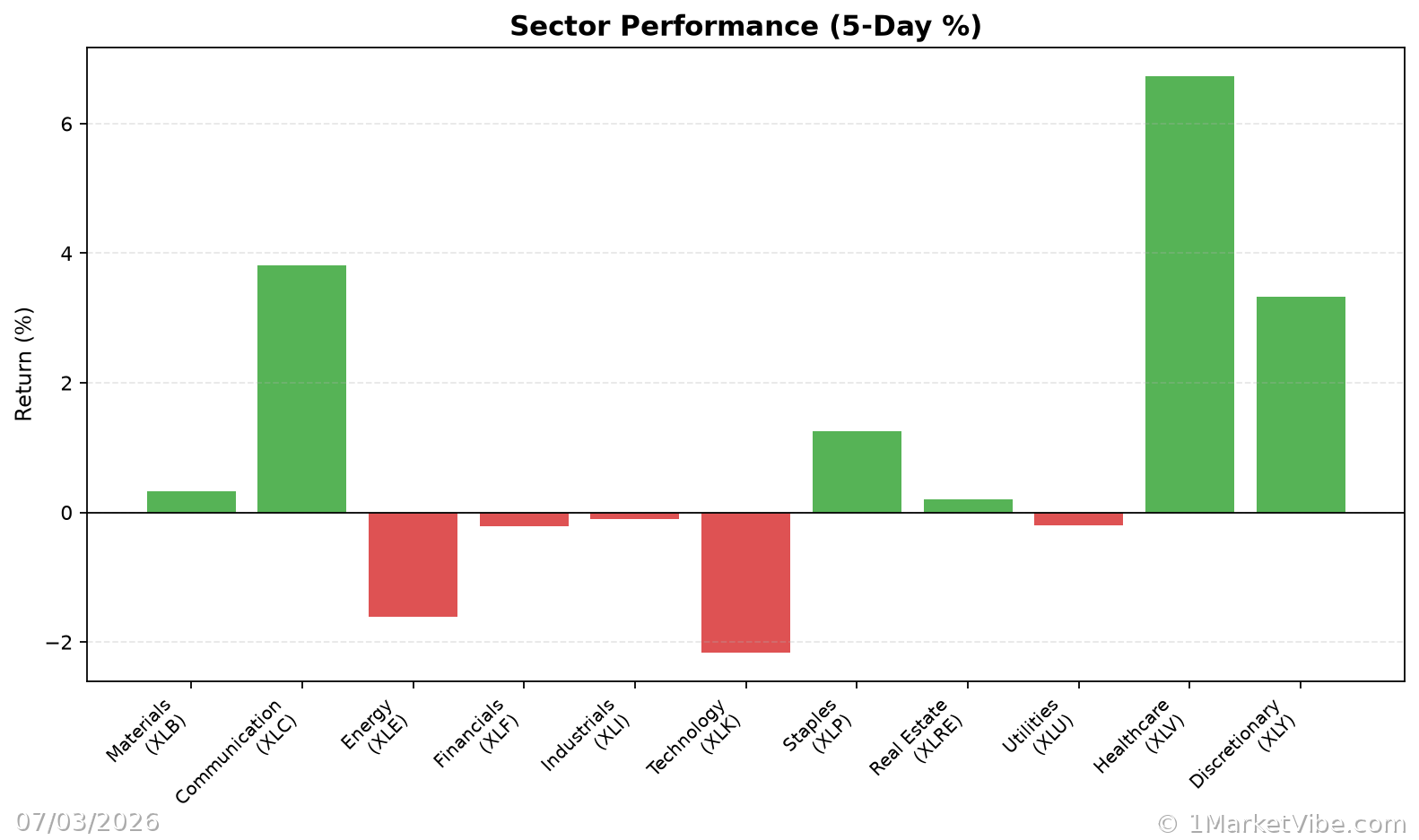
- Sector-Specific Impacts: The technology and consumer discretionary sectors are particularly sensitive to employment trends, as they rely heavily on consumer confidence and spending.
- Ford's Sales Decline: Ford reported a 10.3% drop in Q2 sales, partly attributed to the broader economic environment and reduced consumer demand for electric vehicles.
Investor Sentiment
Current sentiment is cautious as investors weigh the implications of the job growth data. The MarketVibe's CW Index, which provides early risk signals, currently reads 4.9, indicating a moderate risk environment. This suggests that while the market is not in panic mode, there is a need for vigilance and strategic positioning.
What's Next
Investors should watch for upcoming economic indicators, such as retail sales and consumer confidence reports, which could provide further insights into the economy's trajectory. Additionally, the Federal Reserve's next meeting will be crucial, as any changes in interest rates could significantly impact market dynamics.
Conclusion
The lag in job growth is a pivotal development for investors, signaling potential challenges ahead. While the market has not yet entered a downturn, the current environment calls for cautious optimism and strategic adjustments. Investors are advised to stay informed and consider diversifying their portfolios to mitigate risks.
Track how markets respond in real-time at 1marketvibe.com.
Disclaimer: This article is for informational purposes only and should not be considered financial advice. Always consult with a financial advisor before making investment decisions.
Sources:
- The Wall Street Journal
- Bloomberg
- Yahoo Finance