

Bull Market Outlook: Implications of a 4.9 CW Index for Investors
- Authors

- Name
- MarketVibe Team
- @1marketvibe
Bull Market Outlook: Implications of a 4.9 CW Index for Investors
July 6, 2026 - In a significant development for Wall Street, the CW Index has registered a reading of 4.9, signaling a stable yet cautiously optimistic market environment. This reading, observed today, reflects a market sentiment that is neither overly exuberant nor pessimistic, suggesting a predictable trend for the near future. Investors are keenly watching these signals as they navigate the second half of 2026.
Why It Matters
For investors, the current CW Index reading of 4.9 is crucial as it indicates a balanced risk environment. This level suggests that while the market is experiencing a bullish trend, it remains within a manageable risk threshold. The immediate impact is a potential for steady gains, but with an underlying need for vigilance against sudden volatility. This sentiment aligns with recent market movements, where stocks have closed the quarter on a high note, as reported by Yahoo Finance.
Context & Background
Historically, a CW Index reading in the range of 4 to 6 has often preceded periods of market stability with moderate growth. The current market conditions are reminiscent of similar phases in past bull markets, where cautious optimism led to sustained gains. This trend has been supported by robust economic indicators and corporate earnings, which have bolstered investor confidence. Key stakeholders, including institutional investors and fund managers, are likely to adjust their strategies to capitalize on these conditions.
Recent Market Movements
Recent events have underscored the market's resilience. Despite geopolitical tensions and fluctuating commodity prices, the market has shown remarkable stability. Notable market drops have been attributed to sector-specific issues rather than systemic risks, allowing for a quick recovery. This resilience is a testament to the market's underlying strength, providing a fertile ground for investment opportunities.
Investment Opportunities
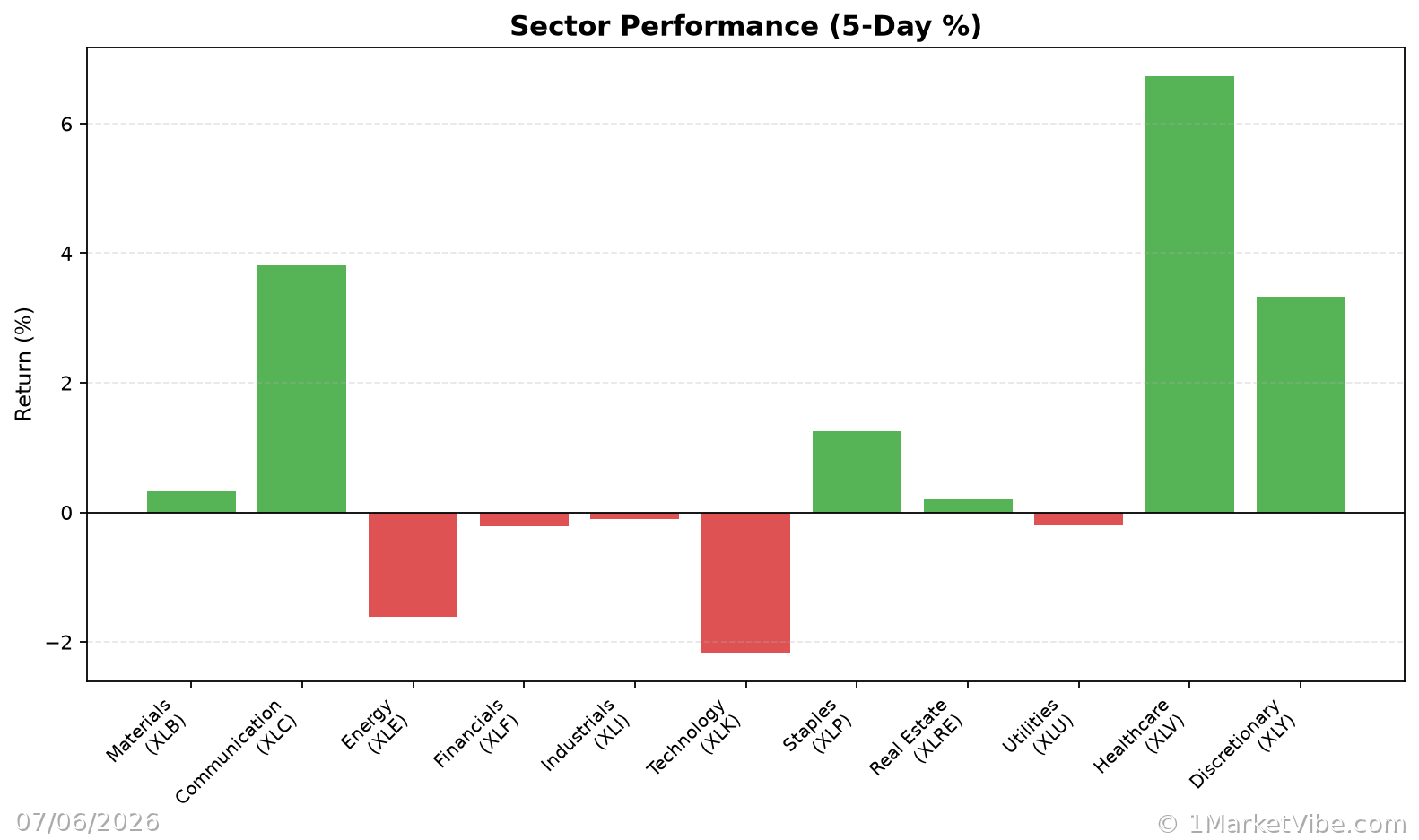
Amid this bullish sentiment, several sectors are poised for growth. Technology and renewable energy sectors, in particular, are attracting significant investor interest due to their long-term growth potential. Investors are advised to keep an eye on stocks within these sectors as they could offer substantial returns in the coming months. Additionally, consumer goods and healthcare sectors continue to show promise, driven by strong demand and innovation.
Risks and Considerations
While the market outlook is positive, investors should remain aware of potential risks. Market volatility, though currently subdued, can escalate due to unforeseen global events or policy changes. It is crucial for investors to adopt cautious investment strategies, possibly incorporating hedging techniques to mitigate risks. Monitoring the CW Index for any upward trends can provide early warnings of increased market volatility.
Expert Opinions
Market analysts are divided on the sustainability of the current bull market. Some experts believe that the market has room to grow, supported by strong economic fundamentals and corporate earnings. Others caution that external factors, such as geopolitical tensions and monetary policy shifts, could pose challenges. Diverse perspectives highlight the importance of staying informed and adaptable in investment strategies.
Conclusion
In summary, the current CW Index reading of 4.9 suggests a stable yet cautiously optimistic market environment. Investors have opportunities to capitalize on growth in promising sectors while remaining vigilant against potential risks. As the market evolves, staying informed and adaptable will be key to navigating this landscape successfully.
Track how markets respond in real-time at 1marketvibe.com.
Disclaimer: This article is for informational purposes only and does not constitute financial advice. Always consult with a financial advisor before making investment decisions.
Sources: