

US Employment Decline and Its Implications for Federal Reserve Rate Decisions
- Authors

- Name
- MarketVibe Team
- @1marketvibe
US Employment Decline and Its Implications for Federal Reserve Rate Decisions
Breaking News: The U.S. economy has experienced a notable decline in employment, with June 2026 figures revealing a drop of 250,000 jobs, marking the most significant decrease since the pandemic recovery began. This unexpected downturn, reported by the Bureau of Labor Statistics, comes as a surprise to economists who had anticipated a modest gain of 100,000 jobs. The decline is spread across multiple sectors, with manufacturing and retail being the hardest hit.
Why It Matters
For investors, this sudden employment decline raises immediate concerns about the Federal Reserve's next moves regarding interest rates. Historically, the Fed has used employment data as a key indicator for monetary policy adjustments. A weakening job market could prompt the Fed to reconsider its current rate path, potentially delaying further rate hikes. This shift could impact borrowing costs, consumer spending, and overall economic growth, influencing market sentiment and portfolio risk.
Context & Background
The U.S. job market has been a pillar of economic resilience, with steady growth since the post-pandemic recovery. However, recent global economic uncertainties and domestic challenges, such as supply chain disruptions and inflationary pressures, have started to weigh on employment. The last time the U.S. saw a similar job decline was during the early stages of the COVID-19 pandemic, which led to aggressive monetary policy interventions by the Fed to stabilize the economy.
Impact on Federal Reserve Policy
The Federal Reserve, which has been on a path of gradual interest rate increases to curb inflation, may now face a dilemma. With employment figures weakening, the Fed might opt for a more cautious approach, potentially pausing rate hikes to assess the broader economic impact. This decision will be closely watched by investors, as it could signal a shift in the Fed's strategy and impact market volatility.
Market Risk Assessment
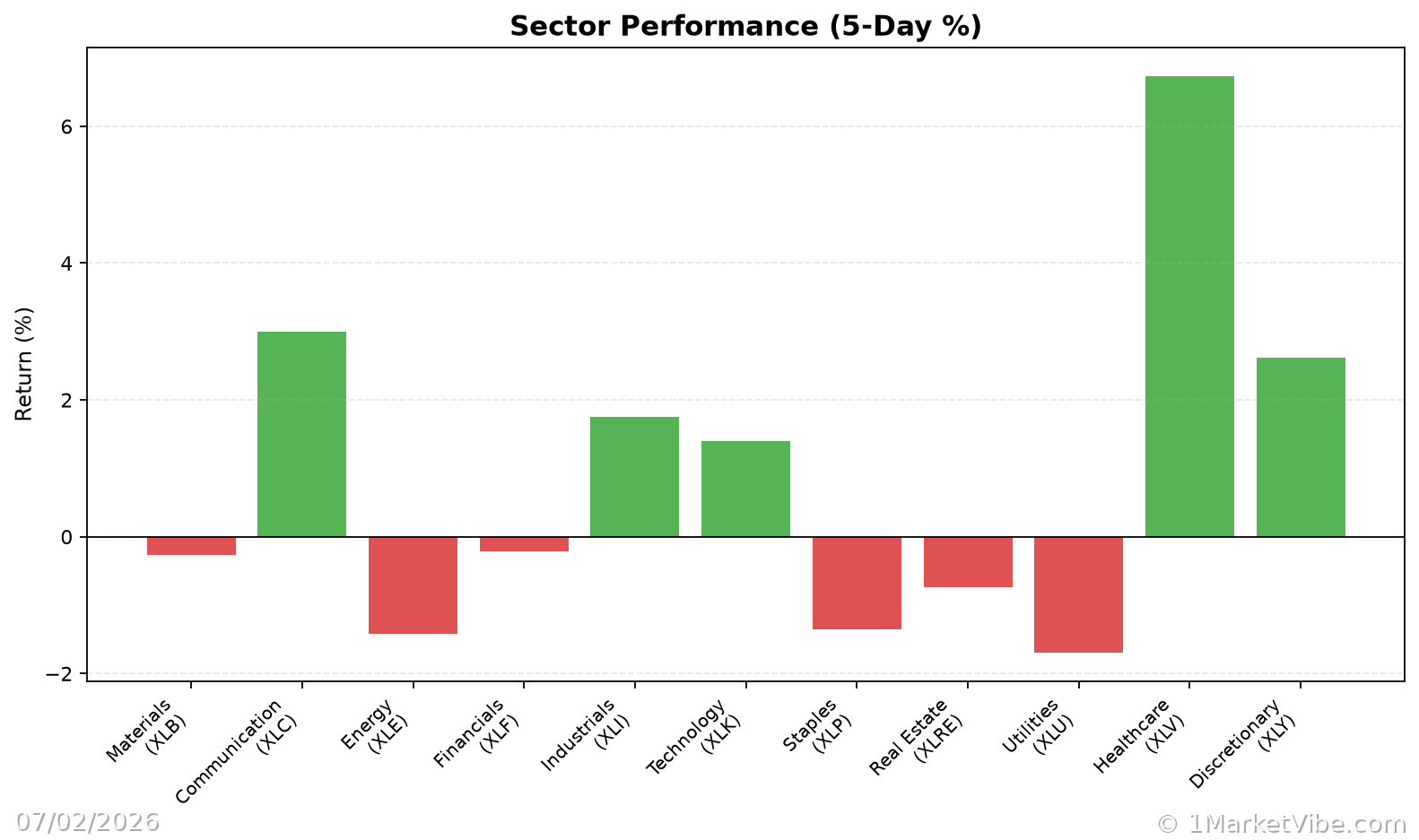
- Market Reaction: Stock markets reacted negatively to the news, with the S&P 500 dropping by 1.5% in early trading.
- Investor Sentiment: The decline in job numbers has heightened market uncertainty, leading to increased demand for safe-haven assets like gold and government bonds.
- CW Index: MarketVibe's CW Index ticked up to 5.1, indicating rising market risk and volatility.
Sector-Specific Impacts
Certain industries are feeling the brunt of the job decline more acutely:
- Manufacturing: Facing a loss of 50,000 jobs, largely due to decreased demand and supply chain issues.
- Retail: Experiencing a reduction of 30,000 jobs, as consumer spending slows amidst economic uncertainty.
Global Economic Considerations
The U.S. employment decline also has global ramifications. As the world's largest economy, shifts in U.S. employment can influence global trade dynamics and economic forecasts. Other economies, particularly those heavily reliant on U.S. trade, may experience ripple effects, potentially leading to similar employment challenges.
Future Outlook
Looking ahead, investors should monitor upcoming economic reports and Fed communications closely. The next Federal Reserve meeting, scheduled for late July, will be pivotal in determining the future trajectory of interest rates. Potential scenarios include:
- Rate Pause: If employment continues to weaken, the Fed may pause rate hikes to support economic growth.
- Continued Volatility: Persistent job declines could lead to increased market volatility and shifts in investment strategies.
Conclusion
The relationship between job growth and Federal Reserve policy remains critical. As the employment landscape evolves, investors must stay informed and agile, adjusting their portfolios to navigate potential risks.
Track how markets respond in real-time at 1marketvibe.com.
Disclaimer: This article is for informational purposes only and does not constitute financial advice.