

Rivian Stock Declines Amid Share Sale Announcement
Breaking News: Rivian Automotive Inc. has announced a significant share offering, leading to a sharp decline in its stock price. On July 8, 2026, Rivian revealed plans to issue 75 million new shares, causing its stock to drop by 12% in early trading on the Nasdaq. This move comes as the electric vehicle (EV) manufacturer seeks to bolster its capital amid a competitive market landscape.
Why It Matters
The immediate impact of this announcement is a dilution of existing shares, which has understandably rattled investors. For Rivian, the share sale is a strategic attempt to raise funds to support its ambitious production and expansion goals. However, this decision has raised concerns about the company's current financial health and its ability to sustain growth without further diluting shareholder value. The broader EV market is also watching closely, as Rivian's performance is often seen as a bellwether for the sector's overall health.
Context & Background
Rivian, known for its electric trucks and SUVs, has been a prominent player in the EV market since its IPO in 2021. The company has faced challenges similar to other EV manufacturers, including supply chain disruptions and increased competition from established automakers entering the EV space. Historically, share offerings have been a double-edged sword for companies like Rivian, providing necessary capital but often at the cost of short-term stock value.
Impact on Rivian's Valuation
The issuance of 75 million shares is expected to dilute existing shares, potentially affecting Rivian's market capitalization. Prior to the announcement, Rivian's market cap stood at approximately $40 billion. Analysts predict that this move could reduce the company's valuation by several billion dollars, depending on investor sentiment and market conditions.
Investor Sentiment
Investor reactions have been mixed, with some viewing the share sale as a necessary step for growth, while others are concerned about the dilution and its implications for future earnings. This sentiment is reflected in the broader market trends, where EV stocks have experienced volatility amid fluctuating demand and regulatory changes. Rivian's stock dip is a reminder of the inherent risks in the rapidly evolving EV sector.
Broader EV Market Implications
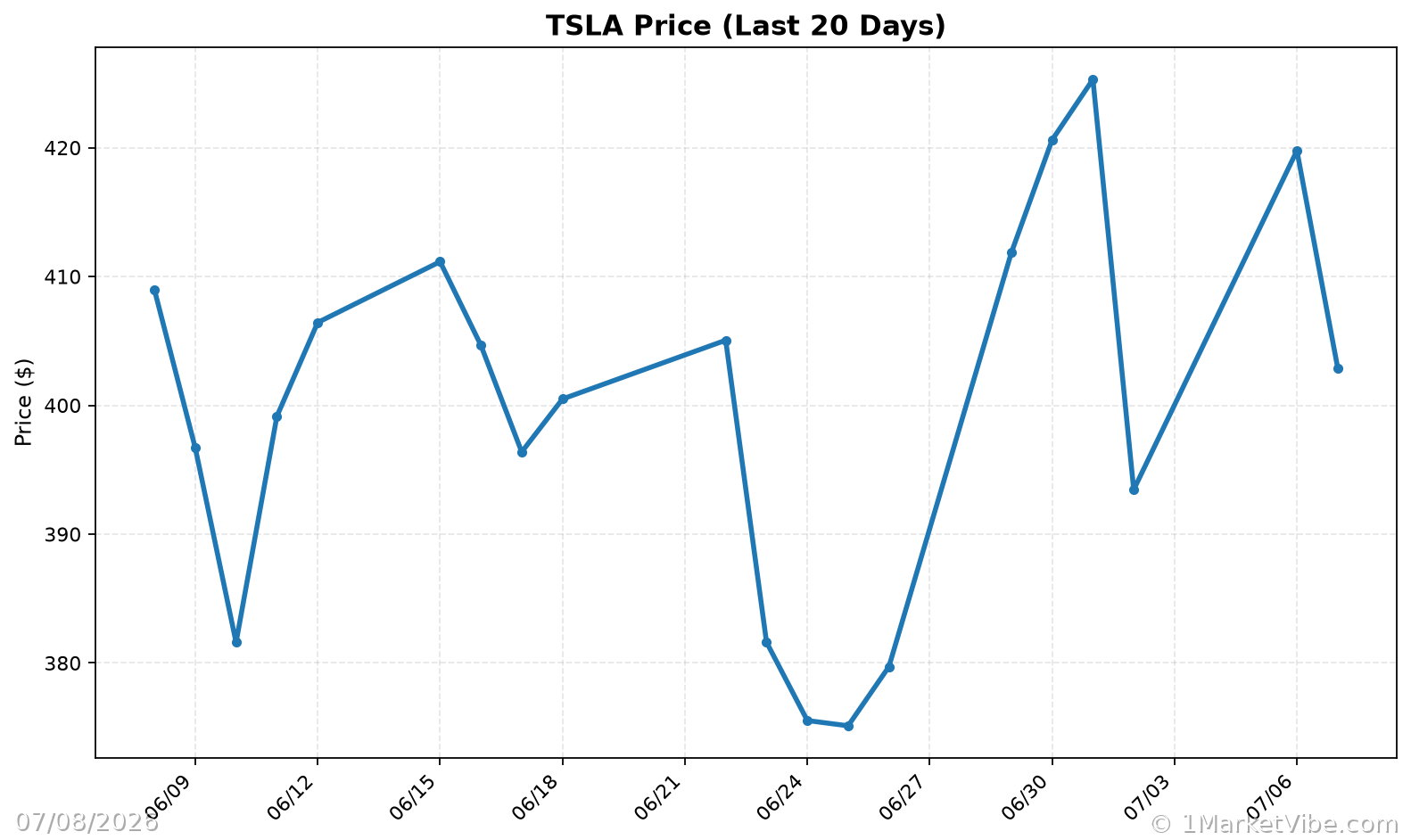
Rivian's situation highlights the challenges faced by EV companies striving to scale operations while managing financial stability. The ripple effects of Rivian's share sale could influence investor confidence in other EV stocks, potentially leading to shifts in investment strategies across the sector. Competitors like Tesla and Lucid Motors may also feel the impact as investors reassess their positions.
Future Growth Prospects
Looking ahead, Rivian's ability to achieve its production and revenue targets will be crucial. The company aims to increase its manufacturing capacity and expand its product lineup, but these plans come with risks, especially in a volatile market environment. Investor confidence will hinge on Rivian's execution of these goals without further financial strain.
Conclusion
Rivian's recent share sale announcement is a pivotal moment for the company and the broader EV market. While the move provides necessary capital, it also underscores the challenges of balancing growth with shareholder value. Investors should monitor Rivian's progress closely as the company navigates this complex landscape.
Track how markets respond in real-time at 1marketvibe.com.
Disclaimer: This article is for informational purposes only and does not constitute financial advice. Always consult with a financial advisor before making investment decisions.
Charts