
Middle East Crisis Drives Oil Prices to $105 Amid Market Volatility
- Authors

- Name
- MarketVibe Team
- @1marketvibe
Middle East Crisis Drives Oil Prices to $105 Amid Market Volatility
Breaking News: The price of oil has surged to $105 per barrel as escalating tensions in the Middle East threaten global supply chains. On September 11, 2026, the conflict between the U.S. and Iran intensified, leading to the closure of the Strait of Hormuz, a crucial passage for oil shipments. This development has sent shockwaves through global markets, raising concerns about inflation and economic stability.
Why It Matters
For investors, this surge in oil prices signals heightened market volatility and potential inflationary pressures. The immediate impact is evident in the rising costs of energy and borrowing, which could strain both corporate and household budgets. As oil prices climb, the risk of inflation looms larger, potentially prompting central banks to adjust monetary policies, which could affect interest rates and investment returns.
Context & Background
Historically, geopolitical tensions in the Middle East have often led to spikes in oil prices, as seen during the Gulf War and the Arab Spring. The current crisis stems from escalating hostilities between the U.S. and Iran, with recent reports of Iran-aligned forces seizing strategic ports. This has disrupted oil supplies and heightened fears of prolonged conflict. Key stakeholders, including OPEC, are closely monitoring the situation, as any prolonged disruption could destabilize global energy markets.
Market Reactions
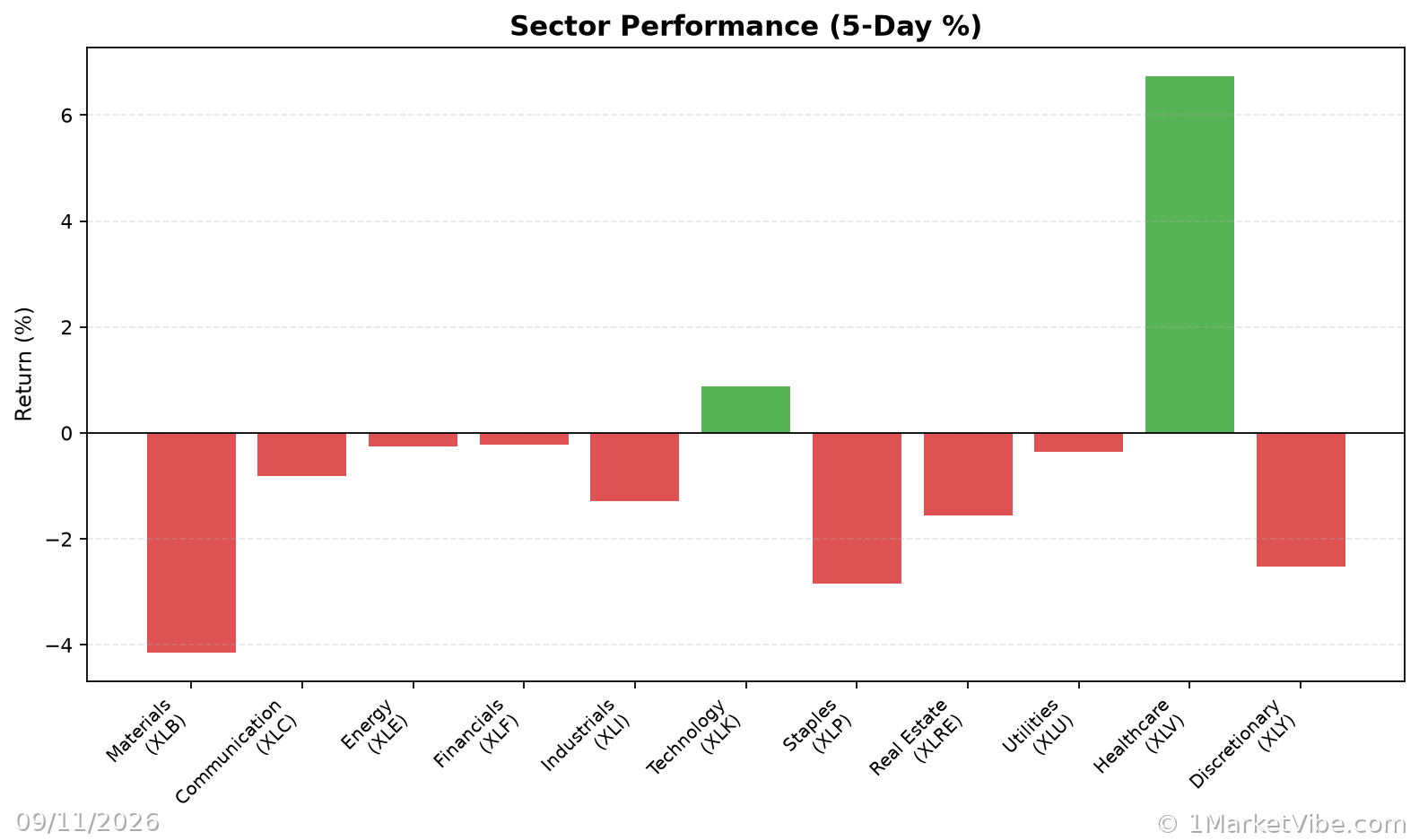
- U.S. stock markets have reacted with a downturn, as investors brace for the economic impact of rising energy costs.
- Bond yields have surged, reflecting increased borrowing costs and inflation expectations.
- MarketVibe's CW Index has ticked up to 6.3, indicating a heightened risk environment.
Inflation Concerns
The potential for oil prices to reach $150 per barrel raises significant concerns about inflation. Rising energy costs could lead to higher consumer prices, affecting everything from transportation to food. Investors should be aware of the potential for central banks to respond with interest rate hikes, which could further impact market dynamics.
Investment Implications
For investors, this means reassessing portfolio risk and considering sectors most vulnerable to oil price fluctuations, such as transportation and manufacturing. Hedging strategies may become more attractive as a way to mitigate potential losses. Monitoring the CW Index can provide early signals of market shifts, helping investors navigate this volatile period.
Future Outlook
In the short term, investors should watch for further developments in the Middle East and any OPEC announcements regarding production adjustments. The risk of prolonged high oil prices could lead to sustained economic pressures, making it crucial for investors to stay informed and agile.
Conclusion
As the Middle East crisis unfolds, the global economy faces significant challenges. Investors must remain vigilant, adapting strategies to manage risk and seize opportunities amidst uncertainty. Track how markets respond in real-time at 1marketvibe.com.
Disclaimer: This article is for informational purposes only and does not constitute financial advice.
Sources:
Charts