

Yen Gains and Investor Strategies Amid Declining Japanese Stocks
- Authors

- Name
- MarketVibe Team
- @1marketvibe
Yen Gains and Investor Strategies Amid Declining Japanese Stocks
In recent weeks, Japan's financial markets have experienced notable shifts, with the yen gaining strength while Japanese stocks have declined. This dynamic presents a complex environment for traders and investors, requiring a nuanced understanding of market mechanics and strategic adjustments. In this article, we'll explore the implications of these movements, focusing on how MarketVibe's metrics can provide clarity and guide decision-making processes.
Yen's Rebound and Its Implications
The yen's recent appreciation has been a significant factor influencing Japan's financial landscape. A stronger yen can affect export competitiveness, as Japanese goods become more expensive for foreign buyers. This can lead to a decline in stock prices, particularly in export-heavy sectors like automotive and electronics.
Why Traders Should Care:
- The yen's movements can signal shifts in investor sentiment and risk appetite.
- Understanding currency impacts helps in assessing sector vulnerabilities and opportunities.
- It informs decisions on hedging and portfolio diversification.
Bond Yields and Market Dynamics
Japan's government bond yields have also seen a decline, influenced by various factors including monetary policy adjustments and global economic conditions. Lower yields often indicate a flight to safety, as investors seek refuge in government bonds amid uncertainty.
How It Works:
- Bond yields are inversely related to bond prices; as demand for bonds increases, yields fall.
- Factors like central bank policies, inflation expectations, and geopolitical events can drive yield changes.
Stock Market Reaction
The stock market's response to the yen's strength and declining bond yields has been largely negative. Key sectors, particularly those reliant on exports, have experienced downturns. This scenario underscores the importance of monitoring sector-specific performance and broader market trends.
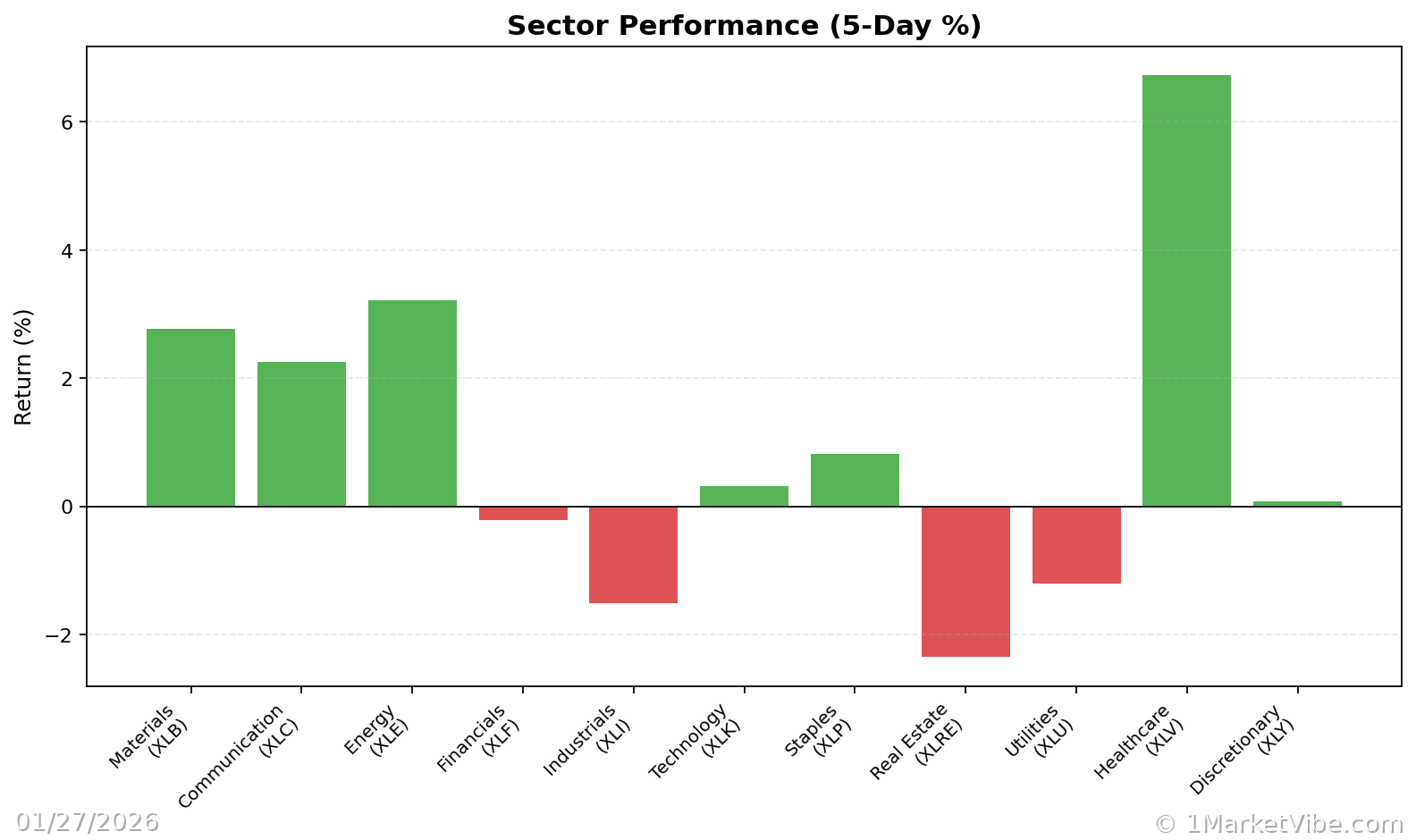
MarketVibe Metrics in Focus:
- % Above 50-DMA: This breadth indicator measures the percentage of stocks trading above their 50-day moving average. A declining percentage suggests weakening market momentum.
- A/D Net (Advance/Decline Net): This metric tracks the net number of advancing versus declining stocks, providing insight into market internals.
Interpretation of MarketVibe Metrics
% Above 50-DMA:
- Below 40%: Indicates a weak or oversold market condition, often preceding a potential rebound.
- Above 60%: Suggests strong market momentum and broad participation in rallies.
A/D Net:
- Positive Values: Reflect a market with more advancing stocks, signaling strength.
- Negative Values: Indicate a market under pressure, with more stocks declining.
Real-World Scenarios
Topping Environment:
- Scenario: The index continues to rise, but % Above 50-DMA declines.
- Metrics: A/D Net turns negative.
- Trader Temptation: Chase the rally.
- Informed Response: Exercise caution, as underlying breadth weakens.
Volatility Spike:
- Scenario: ATR% (Average True Range as a percentage of price) increases sharply.
- Metrics: CWI (Crash Warning Index) rises.
- Trader Temptation: Panic sell.
- Informed Response: Reassess risk exposure, consider defensive positions.
Strong Bull Leg:
- Scenario: % Above 50-DMA surges and remains elevated.
- Metrics: A/D Net stays positive.
- Trader Temptation: Overcommit to new positions.
- Informed Response: Add exposure selectively, ensuring setups align with strategy.
Practical Process Guidance
- When Breadth is Weak and CWI is High: Emphasize defensive strategies and reduce new risk exposure. Consider sectors less affected by currency fluctuations.
- When Breadth and Leadership Broaden: Be open to increasing exposure, but ensure alignment with your trading setups and risk management rules.
- Use the Market Dashboard: Leverage this tool to get a high-level view of market regimes and confirm with internal metrics like % Above 50-DMA and A/D Net.
Common Misuses & Misconceptions
Treating Metrics as Stand-Alone Signals:
- Misuse: Using % Above 50-DMA as a sole entry signal.
- Alternative: Combine with other indicators and market context.
Ignoring Context:
- Misuse: Overlooking sector rotation and macroeconomic factors.
- Alternative: Integrate broader market analysis into decision-making.
Overreacting to One-Day Changes:
- Misuse: Making hasty decisions based on daily metric fluctuations.
- Alternative: Focus on trends and sustained changes over time.
To see these breadth and risk metrics in one place each day, you can use the Decision Edge dashboard at 1marketvibe.com.
Disclaimer: This article is for informational purposes only and should not be considered financial advice. Always conduct your own research or consult a financial advisor before making investment decisions.