


Gold's Record Surge and Its Implications for Investors
Gold has recently surged past $5,200, setting a new record high. This remarkable rally in gold prices is not just a headline-grabbing event; it carries significant implications for investors and the broader market. In this article, we'll explore the dynamics driving this surge, how it relates to MarketVibe's Crash Warning Index (CWI), and what it means for investment strategies moving forward.
Market Dynamics: The Debasement Trade
The current surge in gold prices is largely driven by what is known as the "debasement trade." This phenomenon occurs when investors flock to precious metals like gold as a hedge against the perceived devaluation of fiat currencies, particularly the U.S. dollar. In times of economic uncertainty, such as the current environment marked by geopolitical tensions and inflation concerns, gold becomes an attractive safe haven.
Global investor sentiment plays a crucial role here. As confidence in traditional currencies wanes, the demand for gold increases, pushing prices higher. This shift is not just about fear; it's a strategic move to preserve wealth in a volatile market landscape.
CW Index Insights: Understanding the Risk Environment
The Crash Warning Index (CWI) is a composite metric that provides insights into market risk by analyzing several dimensions, including breadth, volatility, and defensive behavior. Currently, the CWI stands at 5.8, indicating elevated risk levels. This reading suggests that the market is in a state where corrections are more likely, aligning with the recent surge in gold prices as investors seek safety.
Historically, a CWI reading above 6 has often preceded market corrections or heightened volatility. While the current reading of 5.8 is not at this extreme level, it does warrant caution. The CWI's ability to provide a 4-6 week early warning of potential market shifts makes it a valuable tool for investors looking to adjust their risk exposure.
Investor Behavior: A Shift Towards Safe Havens
In response to the current economic climate and CWI signals, many investors are shifting their strategies towards safe havens like gold. This behavior is reminiscent of past market environments where economic uncertainty drove similar moves. For instance, during the 2008 financial crisis, gold saw significant inflows as investors sought to protect their portfolios from market turmoil.
This shift is not just about buying gold; it's about re-evaluating overall portfolio strategies. Investors are increasingly considering how to balance risk and reward in a market where traditional assets may not provide the same level of security.
Economic Indicators: Gold and Inflation Concerns
Gold prices are often closely linked to inflation concerns. As inflation rises, the real value of fiat currencies decreases, making gold a more attractive store of value. This relationship is evident in the current market, where inflation fears are driving both gold prices and investor behavior.
Other economic indicators, such as interest rates and currency exchange rates, also play a role. For example, if central banks raise interest rates to combat inflation, it could impact gold prices by increasing the opportunity cost of holding non-yielding assets like gold. However, the current trend suggests that inflation concerns are outweighing these factors, at least for now.
Market Risks: Considerations for Gold Investors
While gold's surge presents opportunities, it also comes with risks. Investing in gold at record highs can be risky if the market corrects or if inflation fears subside. Additionally, gold does not generate income like stocks or bonds, which can be a drawback for some investors.
Potential market corrections are another risk to consider. If the CWI continues to trend higher, indicating increased market risk, investors may need to re-evaluate their gold positions and broader portfolio strategies.
Real-World Scenarios: How This Shows Up in Markets
Topping Environment: Imagine a scenario where the broader market indices are grinding higher, but the % Above 50-DMA is declining. This indicates weakening breadth, suggesting that fewer stocks are participating in the rally. In such a case, gold might continue to rise as investors seek safety, while the CWI could increase, signaling elevated risk.
Volatility Spike: In another scenario, a sudden geopolitical event causes a spike in market volatility, as reflected by an increase in ATR%. The CWI accelerates, and investors flock to gold as a hedge against uncertainty. Here, the metrics highlight the need for a defensive posture.
Strong Bull Leg: Conversely, if the % Above 50-DMA surges and remains elevated, it could signal a strong new bull leg in equities. In this case, gold might stabilize or even decline as risk appetite increases. However, the CWI would likely decrease, indicating reduced market risk.
How to Use This Insight in a Process
To effectively incorporate these insights into your investment process, consider the following guidelines:
- Emphasize Defense: When breadth is weak and the CWI is high, prioritize defensive strategies and reduce new risk exposure.
- Broaden Exposure: If breadth and leadership improve, be open to increasing exposure, provided your setups align with market conditions.
- Monitor the Market Dashboard: Use the Market Dashboard to get a high-level view of market regimes and confirm with internal metrics like the CWI and % Above 50-DMA.
Common Misuses & Misconceptions
- Standalone Signals: Avoid treating the CWI or any single metric as a standalone entry or exit signal. Always consider the broader market context.
- Ignoring Context: Pay attention to sector rotation and time frames. A high CWI in a defensive market might mean something different than in a bullish market.
- Overreacting to Daily Changes: Metrics can fluctuate daily. Focus on trends and sustained movements rather than reacting to one-day changes.
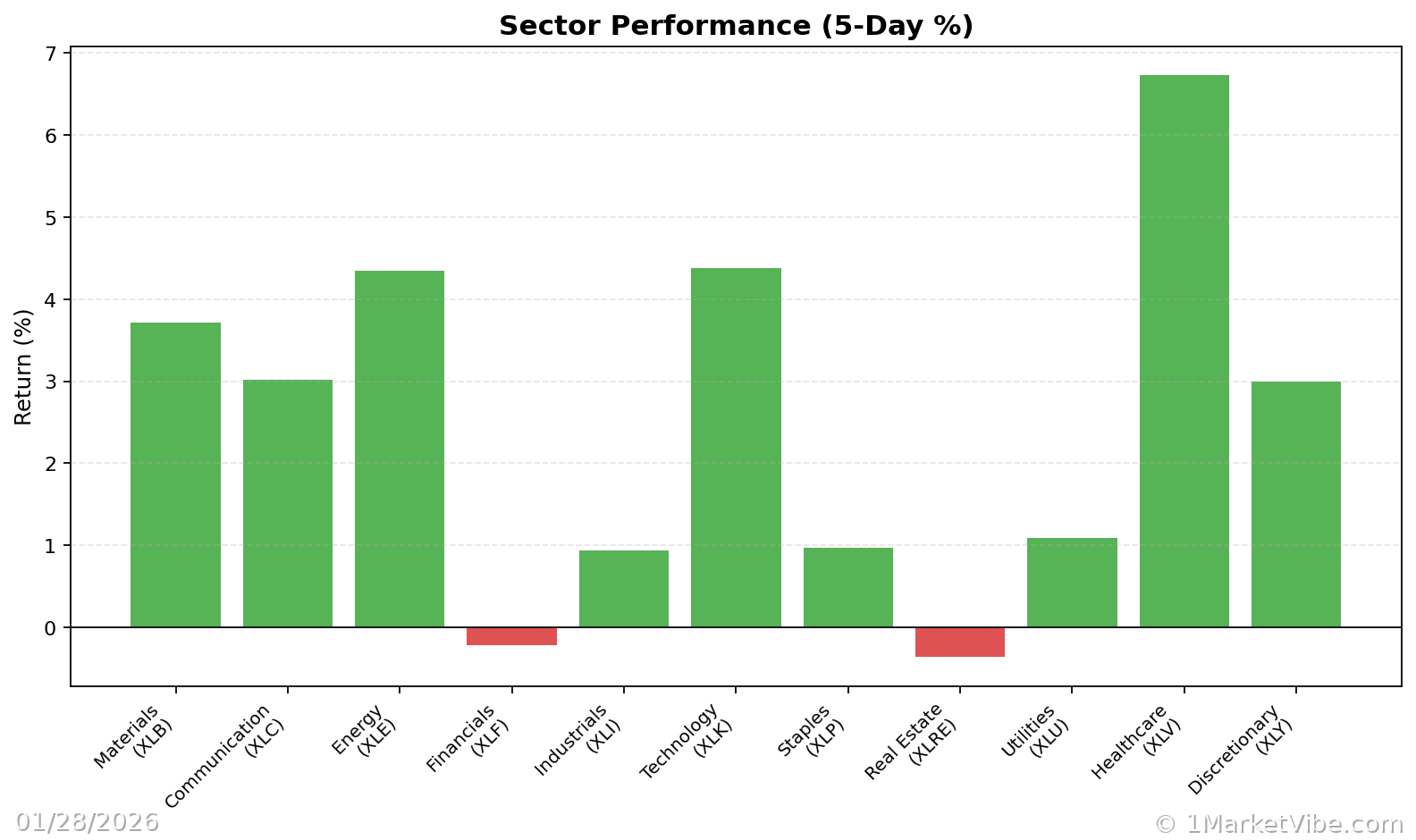
To see these breadth and risk metrics in one place each day, you can use the Decision Edge dashboard at 1marketvibe.com.
This article is for informational purposes only and does not constitute financial advice. Please consult with a financial advisor before making investment decisions.