
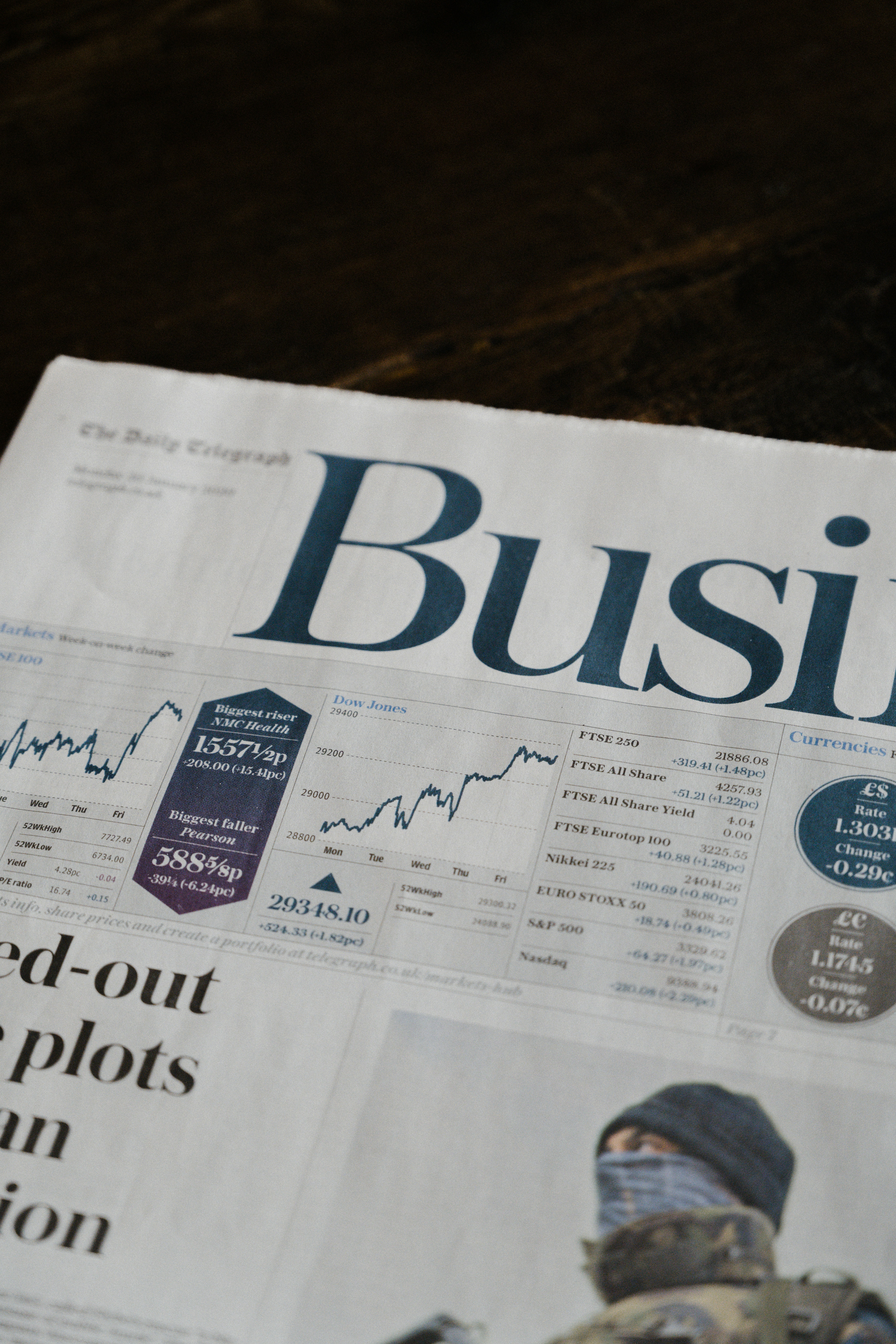

US Economy Growth at 1.5%: Key Developments to Watch
The U.S. economy's growth rate is a crucial indicator for traders and investors, offering insights into the overall health and future trajectory of the market. In the second quarter of 2026, the U.S. economy expanded at a modest 1.5% pace, according to the Commerce Department. This growth rate, while consistent with earlier estimates, presents several key developments that traders should monitor closely.
Growth Rate Details
The 1.5% growth rate in the second quarter reflects a deceleration compared to previous quarters. This slowdown can be attributed to various factors, including global economic uncertainties, supply chain disruptions, and geopolitical tensions. Understanding these elements helps traders anticipate potential market shifts and adjust their strategies accordingly.
Consumer Spending Insights
Despite the sluggish overall growth, consumer spending remained robust, acting as a critical driver of the economy. This resilience in consumer behavior suggests underlying strength in the domestic market, which can influence sectors heavily reliant on consumer demand, such as retail and technology. Traders should consider how consumer spending trends might impact sector performance and adjust their portfolios to capitalize on these trends.
Economic Indicators
Several key economic indicators are influencing the current growth rate, including employment figures, manufacturing output, and housing market data. These indicators provide a comprehensive view of the economic landscape and can signal potential changes in market conditions. For instance, a decline in manufacturing output might suggest a future slowdown, prompting traders to adopt a more defensive stance.
Market Reactions
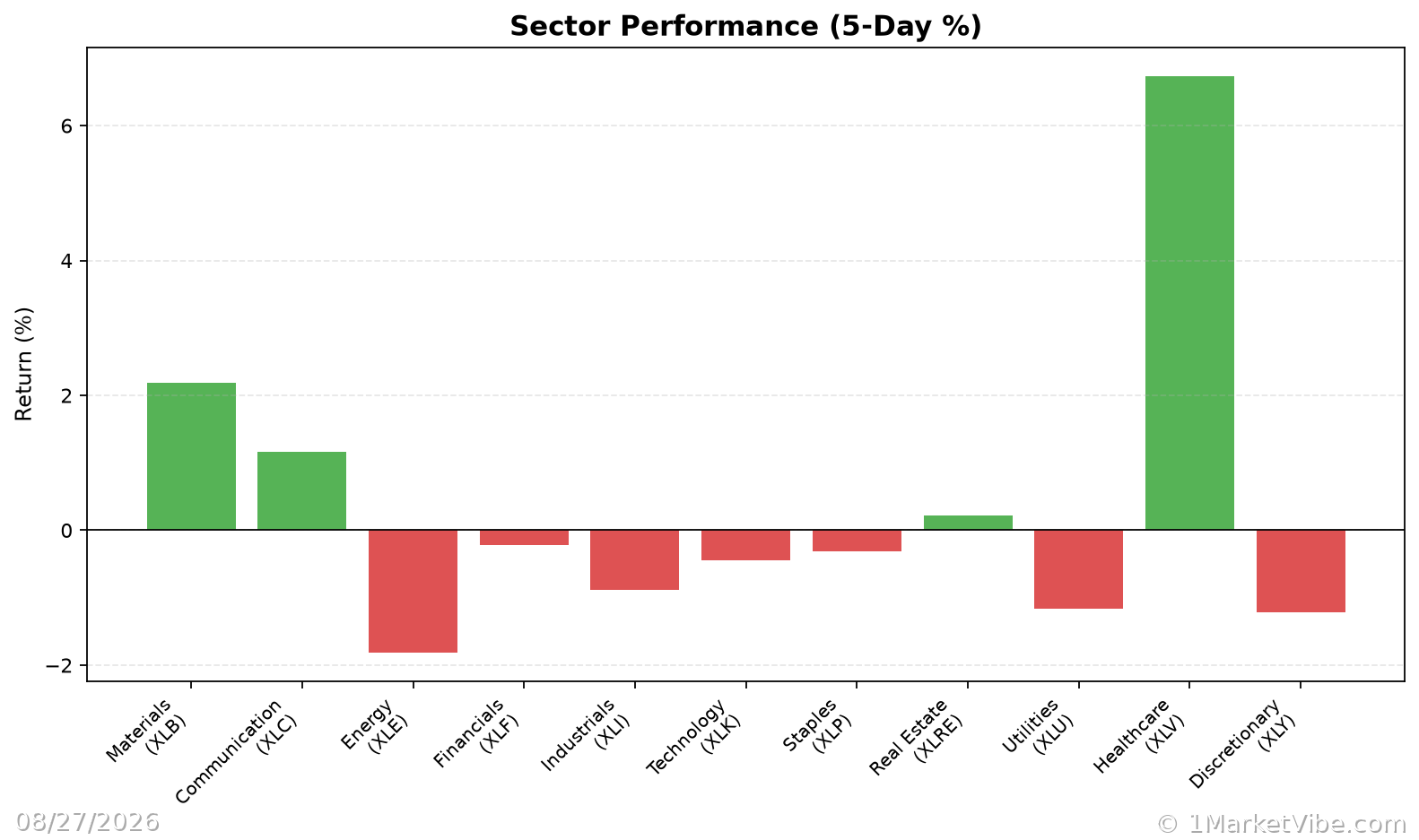
Investor sentiment in response to the 1.5% growth rate has been mixed. While some view it as a sign of stability, others are concerned about the potential for further deceleration. This sentiment is reflected in market movements, with certain sectors experiencing increased volatility. Traders should pay attention to these reactions and consider how they align with broader market trends.
Comparison with Inflation
The relationship between GDP growth and inflation rates is a critical consideration for traders. Currently, inflation remains a significant concern, with rising prices affecting consumer purchasing power and business costs. Understanding how inflation interacts with economic growth can help traders assess the potential impact on interest rates and monetary policy, which in turn influences market dynamics.
Risks and Considerations
The potential risks associated with sluggish economic growth include increased market volatility and reduced corporate earnings. Traders should be cautious and consider strategies to mitigate these risks, such as diversifying their portfolios or employing hedging techniques. Additionally, monitoring the Crash Warning Index (CWI) can provide valuable insights into market risk levels, helping traders adjust their risk exposure appropriately.
Conclusion
In summary, the U.S. economy's 1.5% growth rate in the second quarter presents both challenges and opportunities for traders. By closely monitoring economic indicators, consumer spending trends, and market reactions, traders can develop a more informed view of the market landscape. This understanding allows for better decision-making and risk management, ultimately enhancing trading outcomes.
To see these breadth and risk metrics in one place each day, you can use the Decision Edge dashboard at 1marketvibe.com.
DISCLAIMER: This article is for informational purposes only and does not constitute financial advice. Trading involves risk, and you should consult with a qualified financial advisor before making any investment decisions.