

Druckenmiller Critiques Bond Investments: Insights for Investors
- Authors

- Name
- MarketVibe Team
- @1marketvibe
Introduction
Stanley Druckenmiller, a renowned billionaire investor, has long been a significant figure in the investment world. Known for his successful track record and insightful market analyses, Druckenmiller has influenced many, including Scott Bessent, the current U.S. Treasury Secretary and a former hedge fund trader. Recently, Druckenmiller critiqued the purchase of bonds, labeling it a mistake in today's economic climate. This article explores Druckenmiller's perspective, the current bond market context, and the implications for investors.
Druckenmiller's Critique
Druckenmiller's critique of bond investments stems from his analysis of the current economic environment. He argues that the prevailing conditions—characterized by rising interest rates and inflationary pressures—render bonds less attractive. In such a climate, bonds, which typically offer fixed returns, may not keep pace with inflation, eroding their real value. Druckenmiller's perspective is that investors should be cautious about allocating significant portions of their portfolios to bonds under these circumstances.
Market Context
Current State of Bond Markets and Interest Rates
The bond market has been experiencing notable shifts, primarily driven by increasing interest rates. As central banks, including the Federal Reserve, raise rates to combat inflation, bond prices tend to fall. This inverse relationship occurs because new bonds are issued with higher yields, making existing bonds with lower yields less attractive. Consequently, investors holding these older bonds may face capital losses if they choose to sell.
Impact on Investor Strategies
Rising yields present a challenge for traditional bond investors. As yields climb, the fixed income from bonds may not suffice to meet return expectations, especially when adjusted for inflation. Investors are thus compelled to reassess their strategies, potentially seeking alternatives that offer better risk-adjusted returns.
Implications for Investors
Potential Risks Associated with Bond Investments
Investors need to be aware of the risks inherent in bond investments during periods of rising interest rates. These include:
- Interest Rate Risk: The risk that bond prices will decline as interest rates rise.
- Inflation Risk: The potential for inflation to outpace the fixed returns from bonds, reducing purchasing power.
- Credit Risk: The possibility that bond issuers may default, particularly in a tightening economic environment.
Alternative Strategies Suggested by Druckenmiller
Druckenmiller suggests that investors consider diversifying their portfolios beyond traditional bonds. This may involve exploring equities, commodities, or other asset classes that can potentially offer higher returns or act as hedges against inflation. Additionally, incorporating MarketVibe's metrics, such as the Crash Warning Index (CWI), can help investors gauge market risk and adjust their strategies accordingly.
Bessent's Perspective
Scott Bessent, having been mentored by Druckenmiller, offers an interesting perspective on the latter's advice. While Bessent acknowledges the challenges posed by the current bond market, he emphasizes the importance of a balanced approach. Bessent believes in maintaining some bond exposure for diversification but advocates for a dynamic allocation strategy that adjusts to changing market conditions.
Broader Market Trends
Linking Druckenmiller's Insights to Economic Indicators
Druckenmiller's critique of bond investments aligns with broader economic indicators, such as inflation rates and central bank policies. As these factors influence market dynamics, they also impact various asset classes. For instance, equities may benefit from inflationary environments if companies can pass on costs to consumers, while commodities often serve as inflation hedges.
Effects on Various Asset Classes
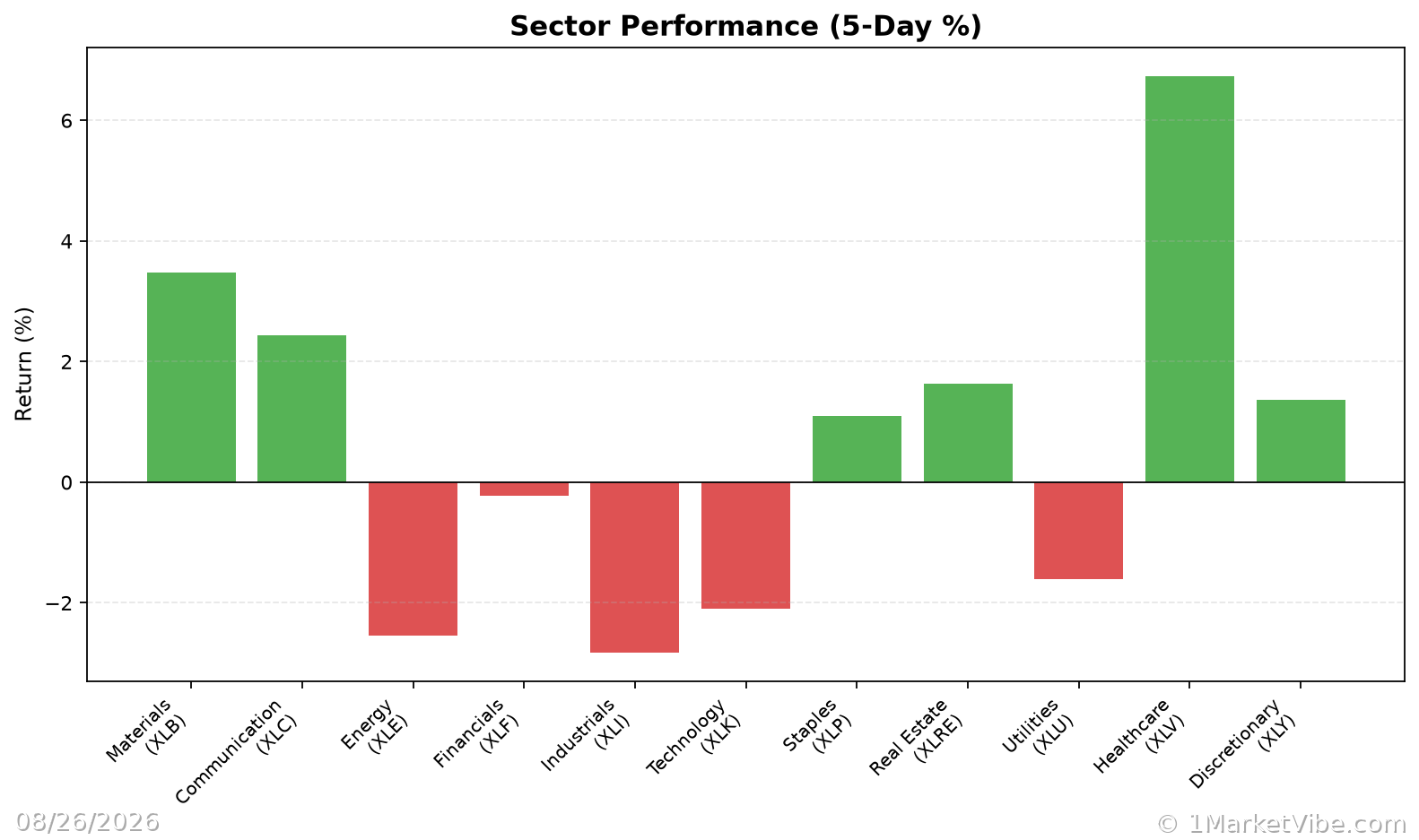
- Equities: Rising interest rates can lead to sector rotation, with investors favoring sectors like financials that benefit from higher rates.
- Commodities: Commodities like gold and oil may see increased demand as investors seek inflation protection.
- Real Estate: Rising rates can impact real estate investments, affecting mortgage rates and property values.
Conclusion
Stanley Druckenmiller's critique of bond investments highlights the need for investors to carefully consider the current economic environment and its implications for their portfolios. While bonds have traditionally been seen as safe investments, rising interest rates and inflationary pressures necessitate a reevaluation of their role. Investors are encouraged to explore alternative strategies and leverage tools like MarketVibe's Decision Edge Dashboard to monitor market conditions and adjust their risk posture accordingly.
To see these breadth and risk metrics in one place each day, you can use the Decision Edge dashboard at 1marketvibe.com.
Disclaimer: This article is for informational purposes only and should not be considered financial advice. Past performance is not indicative of future results. Please consult a financial advisor before making investment decisions.