

Unexpected Mortgage Rate Increase Signals Potential Market Volatility
- Authors

- Name
- MarketVibe Team
- @1marketvibe
Unexpected Mortgage Rate Increase Signals Potential Market Volatility
Introduction
In recent weeks, mortgage rates have unexpectedly increased, catching many market participants off guard. This development has raised concerns about potential volatility in the financial markets, especially as the Federal Reserve is poised to make decisions regarding interest rate cuts. Understanding how these rate changes can influence market dynamics is crucial for traders looking to navigate these uncertain waters. In this article, we'll explore how mortgage rate fluctuations can signal market volatility and how traders can use MarketVibe's metrics to better understand and respond to these conditions.
Current Mortgage Rate Landscape
Mortgage rates have seen a surprising uptick, impacting homebuyers and the broader housing market. This increase can lead to reduced affordability for potential homeowners, potentially slowing down the housing market. For traders, this shift is significant because the housing market often acts as a bellwether for broader economic health. When mortgage rates rise unexpectedly, it can indicate underlying stress or shifts in economic conditions that may not yet be fully visible in other market indicators.
Fed Rate Cut Expectations
The Federal Reserve's decision-making process regarding interest rate cuts is closely watched by traders. Historically, rate cuts are implemented to stimulate economic growth, particularly when signs of economic slowdown or instability appear. However, the current scenario, where mortgage rates increase while the Fed considers rate cuts, creates a complex environment. Traders must consider how these seemingly contradictory signals might impact market stability and investor sentiment.
Market Volatility Indicators
The correlation between mortgage rates and market stability is a critical area of focus. An unexpected increase in mortgage rates can lead to heightened market volatility as investors reassess risk and adjust their portfolios. MarketVibe's Crash Warning Index (CWI) is particularly useful in this context. The CWI is a composite metric that assesses several risk dimensions, including breadth, volatility, and defensive behavior. With the current CWI reading at 5.71, traders should be aware that risk levels are elevated, suggesting a higher likelihood of market corrections.
CW Index Insights
The Crash Warning Index (CWI) serves as an early warning system for potential market downturns. It aggregates data from various market indicators to provide a comprehensive risk assessment. When the CWI is above 6, it typically signals elevated risk and a higher probability of market corrections. Currently, with the CWI at 5.71, traders should remain vigilant and consider adjusting their risk exposure accordingly. The CWI's predictive capabilities, offering a 4-6 week early warning, can help traders anticipate and prepare for potential market shifts.
Investor Sentiment
Investor sentiment plays a crucial role in market dynamics. Currently, sentiment surrounding the Fed's actions is relatively neutral, as market participants weigh the potential benefits of a rate cut against the unexpected rise in mortgage rates. This neutral sentiment can quickly shift to caution or fear if economic news continues to suggest instability. Traders should monitor sentiment indicators alongside MarketVibe's metrics to gain a more nuanced understanding of market conditions.
Real-World Scenarios
Scenario 1: Topping Environment
In a topping environment, market indices may continue to grind higher, even as underlying breadth deteriorates. For example, if the % Above 50-DMA metric shows a decline while indices rise, it suggests that fewer stocks are participating in the rally. This divergence can be a precursor to a market pullback, especially if the CWI is also elevated.
Scenario 2: Volatility Spike
A sudden increase in volatility, as measured by ATR%, can occur when unexpected economic data, such as a mortgage rate increase, disrupts market expectations. In this scenario, traders might feel tempted to react impulsively to price swings. However, a more informed approach would involve assessing the CWI and breadth metrics to determine if the volatility is likely to persist.
Scenario 3: Strong Bull Leg
Conversely, a strong new bull leg might be characterized by a surge in the % Above 50-DMA, indicating robust participation across stocks. If this is accompanied by a low CWI, it suggests a favorable environment for taking on more risk, provided that individual trade setups align with this broader market strength.
How to Use This Insight in a Process
To effectively incorporate these insights into a trading process, consider the following guidelines:
- When breadth is weak and CWI is high, emphasize defensive strategies and reduce new risk exposure. This might involve tightening stop-losses or reducing position sizes.
- When breadth and leadership broaden out, be open to adding exposure, but only if your specific trade setups are present. Use the Market Dashboard to confirm the overall market regime.
- Use the Decision Edge Dashboard as a high-level view of market conditions, then drill down into specific metrics like CWI and ATR% for a more detailed analysis.
Common Misuses & Misconceptions
Traders often misuse market metrics by:
- Treating them as stand-alone entry signals: Metrics like the CWI should inform risk posture, not dictate specific trades.
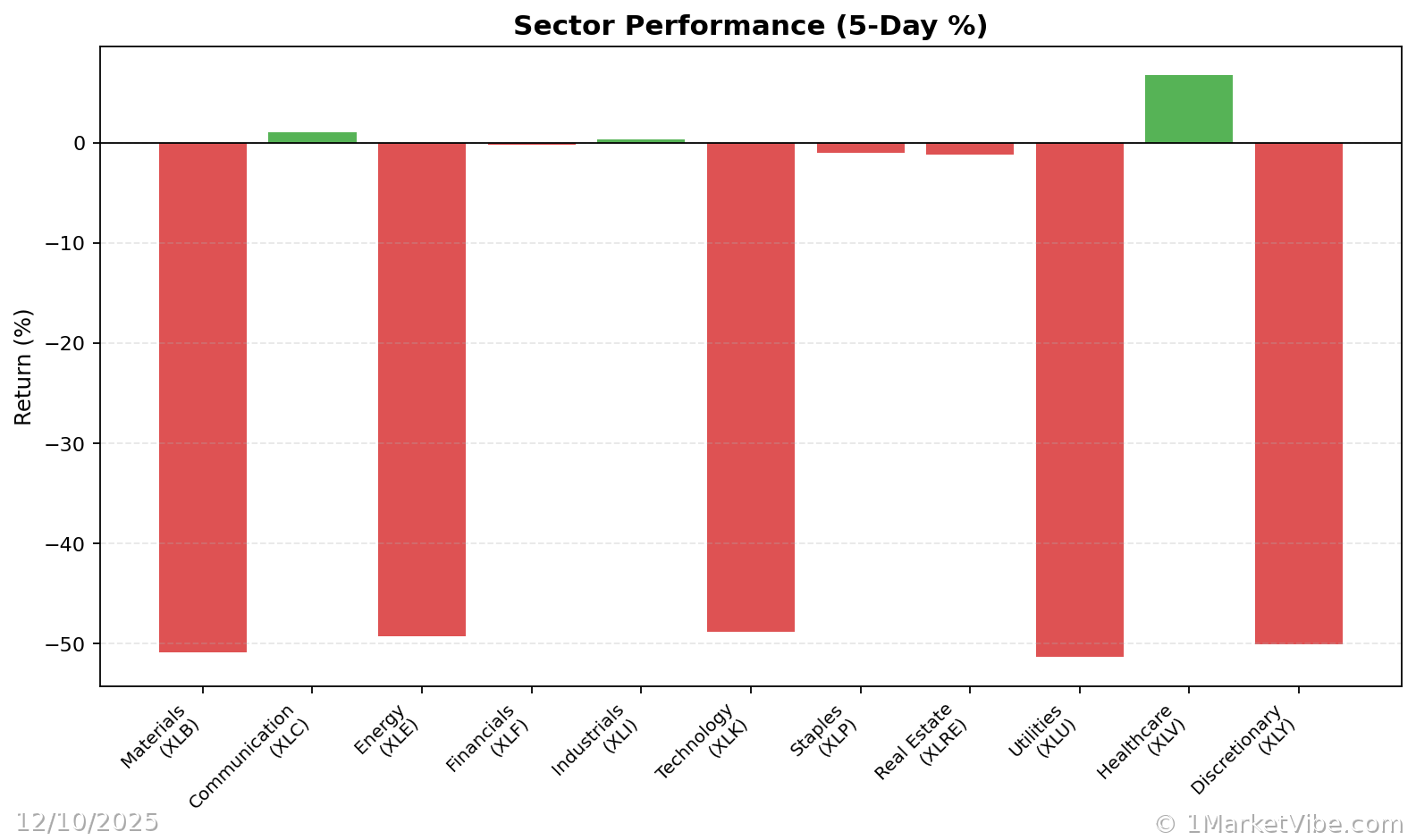
- Ignoring context: Failing to consider sector rotation or broader economic conditions can lead to misinterpretation of metrics.
- Overreacting to one-day changes: Metrics are most useful when viewed over time, as part of a broader trend analysis.
A healthier approach involves integrating these metrics into a comprehensive trading strategy that accounts for multiple factors and timeframes.
To see these breadth and risk metrics in one place each day, you can use the Decision Edge dashboard at 1marketvibe.com.
Please note that this content is for informational purposes only and does not constitute financial advice. Market conditions can change rapidly and unpredictably. MarketVibe authors, editors, and affiliates may hold positions in securities discussed in our analysis. However, our editorial policy prohibits trading on non-public information and requires disclosure of material conflicts.