


Trump Tariffs Induce Volatility in Asian Markets
Orientation – What Are We Explaining?
In this article, we delve into how recent tariff announcements by former President Trump have induced volatility in Asian markets. We'll explore the mechanics of volatility, how it is measured using MarketVibe's ATR% (Average True Range Percentage), and why traders should pay attention to this metric. Understanding volatility is crucial for traders as it informs decisions about risk management, position sizing, and market timing. By integrating ATR% into a structured trading process, traders can better navigate turbulent markets and reduce blind spots that might lead to unexpected losses.
How It Works – Mechanics & Data
ATR% is a volatility indicator that measures the average range between the high and low prices of a market over a given period, expressed as a percentage of the current price. This metric helps traders understand how much a market typically moves in a day relative to its price, providing a sense of the market's volatility regime.
To calculate ATR%, you take the average of the true range (the greatest of the current high minus the current low, the absolute value of the current high minus the previous close, and the absolute value of the current low minus the previous close) over a specified period, and then divide this by the current price to express it as a percentage. This allows traders to compare volatility across different markets and timeframes.
Day-to-day, ATR% moves based on changes in price volatility. For instance, if a market experiences a sudden price swing due to geopolitical news, like tariff announcements, the ATR% will likely increase, signaling heightened volatility.
Interpretation – What Different Levels Tend to Mean
ATR% Ranges and Implications:
- Low ATR% (e.g., below 1%): Indicates a quiet, stable market. Typically, this corresponds to trending phases where price moves are gradual and consistent.
- Moderate ATR% (e.g., 1% to 2%): Suggests a normal level of market activity, often seen in healthy market environments where price fluctuations are neither too calm nor too erratic.
- High ATR% (e.g., above 2%): Signals increased volatility and potential instability. This is common during market corrections or when unexpected news, such as tariff announcements, impacts investor sentiment.
Common Combinations:
- Strong Breadth + Low Volatility: A favorable condition for trend-following strategies, as it suggests a stable upward market.
- Weak Breadth + Rising Volatility: Often a warning sign of potential market corrections, prompting traders to adopt defensive strategies.
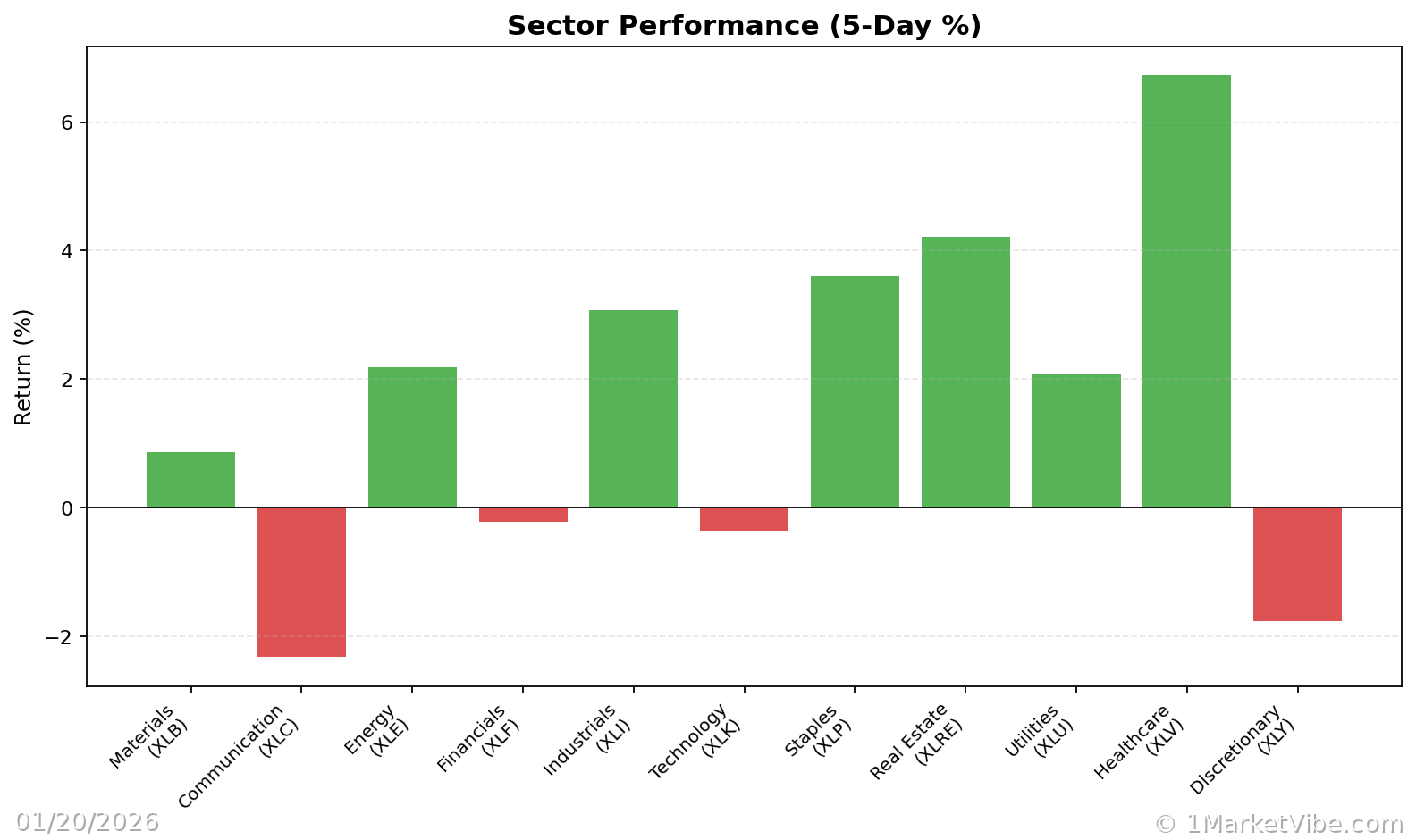
- Defensive Sectors Leading + High ATR%: Indicates a risk-off environment where investors seek safety, often seen during geopolitical tensions.
Real-World Scenarios – How This Shows Up in Markets
Topping Environment:
- Metrics: % Above 50-DMA declines, ATR% rises.
- Traders' Temptation: Hold onto positions hoping for a rebound.
- Informed Response: Recognize the topping signals and reduce exposure to riskier assets.
Volatility Spike:
- Metrics: ATR% jumps significantly, CWI accelerates.
- Traders' Temptation: Panic sell or overreact to short-term moves.
- Informed Response: Use the Decision Edge dashboard to assess broader market conditions and adjust risk exposure accordingly.
Strong Bull Leg:
- Metrics: % Above 50-DMA surges, ATR% remains moderate.
- Traders' Temptation: Over-leverage due to bullish sentiment.
- Informed Response: Gradually increase exposure while monitoring breadth and volatility for signs of exhaustion.
How to Use This Insight in a Process
- When ATR% is high: Emphasize risk management by reducing position sizes and considering hedging strategies.
- When ATR% is low and breadth is strong: Be more open to adding exposure, but ensure setups align with your trading plan.
- Use the Market Dashboard: As a high-level regime label, then check internals like ATR% for confirmation of market conditions.
Common Misuses & Misconceptions
- Treating ATR% as a Stand-Alone Signal: ATR% should be used in conjunction with other indicators, not as a sole basis for trading decisions.
- Ignoring Context: Failing to consider sector rotation or broader market trends can lead to misinterpretation of ATR% signals.
- Overreacting to One-Day Changes: Volatility can be spiky; it's important to look at ATR% trends over time rather than reacting to daily fluctuations.
To see these breadth and risk metrics in one place each day, you can use the Decision Edge dashboard at 1marketvibe.com.
DISCLAIMER: This article is for informational purposes only and should not be considered financial advice. Always conduct your own research or consult a financial advisor before making investment decisions.