


Trump's Fed Feud and Its Impact on Market Stability
Introduction
In recent years, the relationship between former President Donald Trump and the Federal Reserve (Fed) has been a topic of significant discussion and debate. Trump's frequent criticisms of the Fed's policies have raised questions about the potential impact on market stability. Understanding the dynamics of this relationship is crucial for traders and investors who rely on market stability to make informed decisions. This article will explore how Trump's feud with the Fed could influence market conditions, using MarketVibe's metrics to provide a structured analysis.
Current Fed Landscape
The Federal Reserve plays a pivotal role in shaping economic policy through its control over interest rates and monetary policy. Recent years have seen the Fed implement rate cuts to stimulate economic growth, a move that typically aims to lower borrowing costs and encourage investment. However, these decisions are not made in a vacuum and are subject to external pressures, including political influences.
Market Reactions to Fed Policies
Market reactions to Fed policies can be observed through various MarketVibe metrics. For instance, the Crash Warning Index (CWI), which is currently at 5.7, provides an early warning signal for potential market corrections. This index is a composite measure that considers factors such as market breadth, volatility, and defensive sector behavior. A CWI reading above 6 often indicates elevated risk, suggesting that traders should be cautious about market conditions.
Trump's Position
Former President Trump's criticisms of the Fed have centered around his belief that the Fed's policies were too restrictive and hindered economic growth. His rhetoric often called for lower interest rates and more accommodative monetary policies. While political leaders frequently express opinions on economic policy, Trump's direct and public criticisms were unusual in their frequency and intensity.
Impact on Investor Sentiment
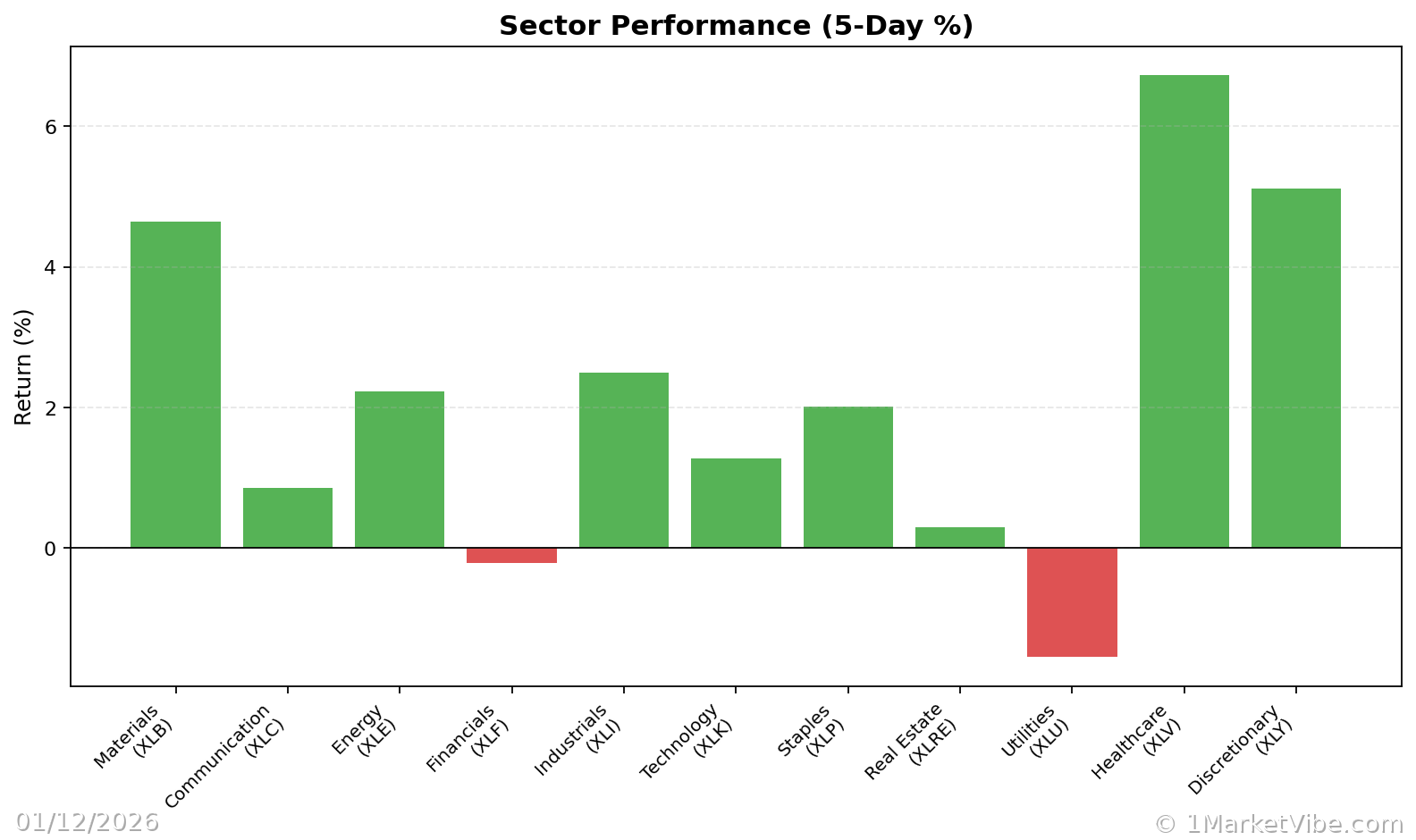
Trump's rhetoric has the potential to influence investor sentiment, which can be measured through metrics like the % Above 50-DMA. This metric tracks the percentage of stocks trading above their 50-day moving average, providing insight into market breadth and trend health. A decline in this percentage could indicate weakening investor confidence, potentially exacerbated by political uncertainty.
Market Stability Risks
Political interference in the Fed's operations poses risks to market stability. Historically, the Fed's independence has been a cornerstone of its ability to make unbiased economic decisions. Any perceived threats to this independence can lead to increased market volatility, as investors may fear that economic policy is being driven by political rather than economic considerations.
Historical Context
The importance of Fed independence is underscored by historical instances where political pressure has led to adverse market reactions. For example, during periods of high inflation in the 1970s, political pressure on the Fed to maintain low interest rates contributed to economic instability.
Investor Confidence
The ongoing feud between Trump and the Fed may affect investor behavior, leading to shifts in market dynamics. Investors may become more cautious, adjusting their portfolios to mitigate perceived risks. This can be observed through changes in the Advance/Decline Net (A/D Net), which measures the difference between advancing and declining stocks. A declining A/D Net may signal weakening market internals and reduced investor confidence.
Economic Ripple Effects
The implications of Fed instability extend beyond the stock market, potentially affecting broader economic conditions. Fed policies are closely linked to consumer confidence, as interest rates influence borrowing costs for consumers and businesses. Political uncertainty surrounding the Fed could lead to reduced consumer spending and slower economic growth.
Conclusion
Trump's feud with the Fed highlights the complex interplay between politics and economic policy. For traders and investors, understanding these dynamics is essential for navigating market conditions. By monitoring MarketVibe's metrics, such as the CWI and % Above 50-DMA, traders can gain insights into market stability and adjust their strategies accordingly.
To see these breadth and risk metrics in one place each day, you can use the Decision Edge dashboard at 1marketvibe.com.
Disclaimer: This article is for informational purposes only and does not constitute financial advice. Please consult a financial advisor for personalized guidance.