

Powell Investigation and Market Instability Signals from the CW Index
- Authors

- Name
- MarketVibe Team
- @1marketvibe
Understanding the Crash Warning Index (CWI) Amidst Powell's Investigation
In the wake of the recent investigation into Federal Reserve Chair Jerome Powell, traders are understandably concerned about potential market instability. This situation highlights the importance of understanding key market metrics, such as the Crash Warning Index (CWI), which can provide insights into underlying market conditions and potential risks. In this article, we'll explore what the CWI is, how it functions, and how traders can use it to make informed decisions.
What is the Crash Warning Index (CWI)?
The Crash Warning Index (CWI) is a composite metric designed to assess the risk of significant market corrections. It combines various dimensions of market behavior, including breadth, volatility, and defensive positioning, to provide a holistic view of market risk. Traders should care about the CWI because it helps inform decisions about risk management and portfolio adjustments, especially in uncertain times like these.
Why Traders Should Care
- Informed Decision-Making: The CWI helps traders gauge the level of market risk, allowing them to adjust their strategies accordingly.
- Blind Spot Reduction: By considering multiple market dimensions, the CWI reduces the risk of focusing too narrowly on a single indicator.
- Structured Process: Rather than acting as a magic signal, the CWI fits into a structured process of risk assessment and management.
How the CWI Works – Mechanics & Data
The CWI is constructed by integrating several market indicators:
- Breadth: Measures the percentage of stocks above their 50-day moving average, indicating trend health.
- Volatility: Assessed using metrics like ATR% (Average True Range as a percentage of price), which indicates market choppiness.
- Defensive Behavior: Observes sector rotation and the performance of defensive sectors like utilities and consumer staples.
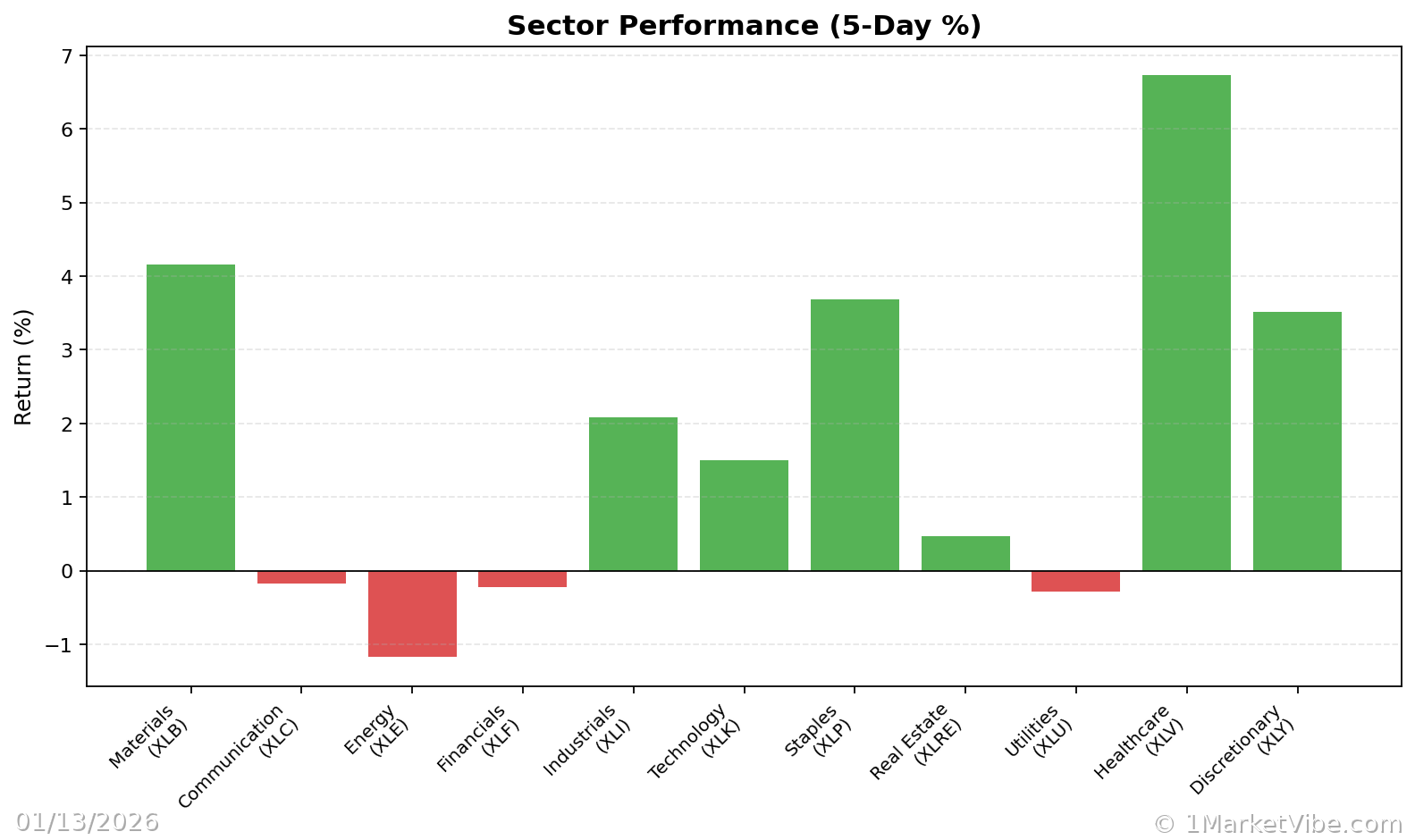
Each component contributes to the overall CWI score, which fluctuates based on daily market conditions. For example, a surge in volatility or a decline in breadth can push the CWI higher, signaling increased market risk.
Interpretation – What Different Levels Mean
Understanding the CWI's ranges is crucial for interpreting its signals:
- CWI Below 3: Generally indicates a stable market environment with low risk of corrections.
- CWI Between 3 and 6: Suggests moderate risk; traders should be cautious and monitor market conditions closely.
- CWI Above 6: Signals elevated risk, with a higher likelihood of market corrections. This is a time to consider defensive strategies.
Common Combinations
- Strong Breadth + Low Volatility: Typically indicates a healthy market environment.
- Weak Breadth + Rising Volatility: Suggests potential instability, warranting caution.
- Defensive Sectors Leading: Often seen when the market is in a warning or at-risk state, indicating a shift towards safety.
Real-World Scenarios – How This Shows Up in Markets
Let's explore a few scenarios where the CWI plays a crucial role:
Scenario 1: Topping Environment
Imagine a scenario where the major indices are grinding higher, but the breadth is deteriorating. The CWI might rise from 3 to 5, indicating increasing risk despite the index gains. Traders might feel tempted to chase the rally, but a more informed view would suggest caution and potential profit-taking.
Scenario 2: Bull Market Leg
In a strong new bull leg, the % Above 50-DMA surges, and the CWI remains low, around 2. This environment supports adding exposure, provided setups align with individual strategies.
Scenario 3: Volatility Spike
During a geopolitical event, volatility spikes, pushing the CWI above 6. Here, traders might panic and sell indiscriminately. However, understanding the CWI's warning allows for strategic hedging and risk management instead.
How to Use This Insight in a Process
Here are practical guidelines for incorporating the CWI into your trading process:
- High CWI: When the CWI is high, emphasize defensive strategies, reduce new risk, and consider hedging.
- Low CWI with Strong Breadth: Be open to increasing exposure if setups are favorable, as the environment is supportive.
- Use the Market Dashboard: Start with a high-level regime label, then check internals for confirmation.
Common Misuses & Misconceptions
Traders often misuse the CWI in the following ways:
- Stand-Alone Signal: Treating the CWI as a sole entry or exit signal. Instead, use it as part of a broader risk assessment.
- Ignoring Context: Failing to consider sector rotation or broader market conditions.
- Overreacting to One-Day Changes: The CWI should be viewed over a period, not based on daily fluctuations.
To see these breadth and risk metrics in one place each day, you can use the Decision Edge dashboard at 1marketvibe.com.
Disclaimer: This article is for informational purposes only and does not constitute financial advice. Always conduct your own research or consult a financial advisor before making investment decisions.