

Trump's Dollar Perspective Influences Market Trends and Investment Strategies
- Authors

- Name
- MarketVibe Team
- @1marketvibe
Trump's Dollar Perspective Influences Market Trends and Investment Strategies
1. Orientation – What Are We Explaining?
In this article, we explore how former President Donald Trump's perspective on the U.S. dollar influences market trends and investment strategies. While this isn't a specific MarketVibe metric like the Crash Warning Index (CWI) or % Above 50-DMA, understanding the broader economic and political context is crucial for traders. Trump's comments can affect currency markets, which in turn influence global trade dynamics, asset valuations, and investment strategies.
Traders should care about this because currency fluctuations can impact everything from corporate earnings to commodity prices. Understanding these dynamics helps traders make informed decisions about risk management, sector exposure, and hedging strategies. This insight fits into a structured process by providing context for interpreting MarketVibe's metrics and adjusting trading strategies accordingly.
2. How It Works – Mechanics & Data
Trump's comments about the dollar can lead to significant market reactions. For instance, when he expresses a relaxed attitude towards a weaker dollar, it can signal to the market that the U.S. government may not intervene to support the currency. This perception can lead to a selloff in the dollar, as investors anticipate a prolonged period of depreciation.
The dollar's value is influenced by a variety of factors, including interest rates, economic data, and geopolitical events. Trump's statements add a layer of political influence, which can amplify market movements. For example, a comment suggesting support for a weaker dollar can lead to immediate declines in the dollar index, as traders adjust their positions based on expected policy directions.
3. Interpretation – What Different Levels Tend to Mean
When the dollar weakens, it can have several implications:
- Positive for U.S. exporters: A weaker dollar makes U.S. goods cheaper abroad, potentially boosting exports.
- Inflationary pressures: Imported goods become more expensive, which can lead to higher consumer prices.
- Commodity price impact: Commodities priced in dollars, like oil and gold, often rise as the dollar falls.
When the dollar strengthens, the opposite effects are generally observed:
- Challenges for exporters: U.S. goods become more expensive overseas, potentially reducing demand.
- Deflationary pressures: Imported goods become cheaper, which can help keep inflation in check.
- Commodity price impact: Commodities may become more expensive in dollar terms, potentially reducing demand.
4. Real-World Scenarios – How This Shows Up in Markets
Scenario 1: Dollar Decline and Export Boost
Imagine a scenario where Trump's comments lead to a 1.2% drop in the dollar index. This decline could make U.S. products more competitive abroad, boosting sectors like manufacturing and agriculture. Traders might see an increase in the % Above 50-DMA for these sectors, indicating strengthening trends.
Scenario 2: Inflation Concerns
A weaker dollar could lead to rising import prices, contributing to inflationary pressures. This scenario might see the CWI rising, indicating increased market risk. Traders might be tempted to shift towards defensive sectors like utilities or consumer staples, which tend to perform better in inflationary environments.
Scenario 3: Commodity Price Surge
As the dollar weakens, commodities like gold might surge. This could lead to an increase in ATR%, reflecting heightened volatility. Traders might consider adjusting their portfolios to include more commodities or commodity-linked equities to capitalize on this trend.
5. How to Use This Insight in a Process
- Monitor Currency Trends: Use MarketVibe's Decision Edge dashboard to keep an eye on currency trends and their impact on market risk metrics like CWI and ATR%.
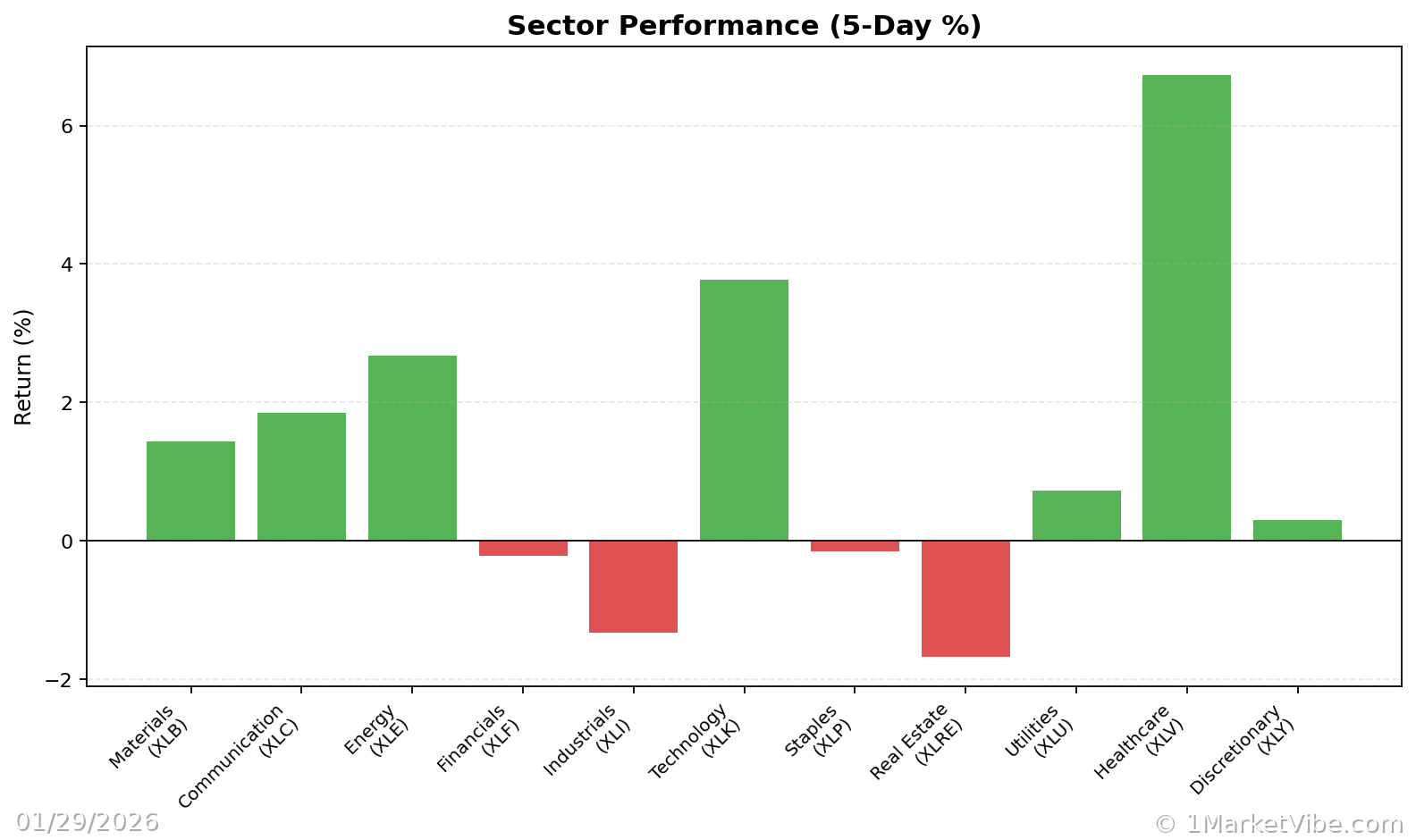
- Adjust Sector Exposure: When the dollar weakens, consider increasing exposure to export-oriented sectors. Conversely, when the dollar strengthens, focus on sectors that benefit from lower import costs.
- Hedge Against Volatility: If currency fluctuations lead to increased market volatility, consider hedging strategies to protect your portfolio.
6. Common Misuses & Misconceptions
- Overreacting to Comments: Traders might overreact to political comments without considering the broader economic context. It's important to integrate these insights with other MarketVibe metrics.
- Ignoring Sector Rotation: Currency movements can lead to sector rotation. Traders should not ignore these shifts and should adjust their portfolios accordingly.
- Treating Currency Trends as Standalone Signals: Currency trends should be considered alongside other market indicators. They are not standalone signals for trading decisions.
To see these breadth and risk metrics in one place each day, you can use the Decision Edge dashboard at 1marketvibe.com.
DISCLAIMER: This article is for informational purposes only and should not be considered as financial advice. Always conduct your own research or consult with a professional before making investment decisions.