


The Impact of $100 Oil on Inflation
Introduction
The recent surge in oil prices to $100 per barrel has captured the attention of traders and economists alike. Understanding how this price level impacts inflation is crucial for making informed decisions in the financial markets. Oil prices influence a wide range of economic factors, from consumer spending to industrial production costs, and ultimately, inflation. In this article, we'll explore the dynamics of oil prices, their effect on inflation, and how traders can use MarketVibe's insights to navigate these changes.
Oil Price Dynamics
Oil prices are influenced by a variety of factors, including geopolitical tensions, supply chain disruptions, and changes in demand. The recent increase to $100 per barrel can be attributed to a combination of reduced production from major oil-producing countries and increased global demand as economies recover from previous downturns. Historically, oil prices have shown volatility, often reacting sharply to geopolitical events or changes in OPEC's production policies.
Inflation Concerns
Rising oil prices can lead to increased inflation through several channels. Firstly, higher oil prices increase the cost of transportation and production, which can lead to higher prices for goods and services. Secondly, as consumers spend more on energy, they may reduce spending in other areas, potentially slowing economic growth. This inflationary pressure can be measured through the Consumer Price Index (CPI), which often reflects increases in energy costs.
Bond Market Reactions
The bond market is sensitive to changes in inflation expectations. When oil prices rise, and inflation is anticipated to increase, bond yields typically rise as well. This is because investors demand higher yields to compensate for the reduced purchasing power of future cash flows. Currently, the Crash Warning Index (CWI) reading is at 5.29, indicating a moderate level of risk. A CWI reading in this range suggests that while the market is not in immediate danger, traders should remain vigilant, particularly in the bond market, where inflation concerns can lead to volatility.
Market Volatility Insights
Oil prices are closely linked to market volatility. Historically, sharp increases in oil prices have led to increased volatility in equity markets. This is often due to uncertainty about the impact of higher energy costs on corporate profits and consumer spending. MarketVibe's Average True Range Percentage (ATR%) can be a useful tool in this context, as it measures volatility relative to price. A rising ATR% often signals a more volatile market environment, which traders should consider when adjusting their risk exposure.
Investment Strategies
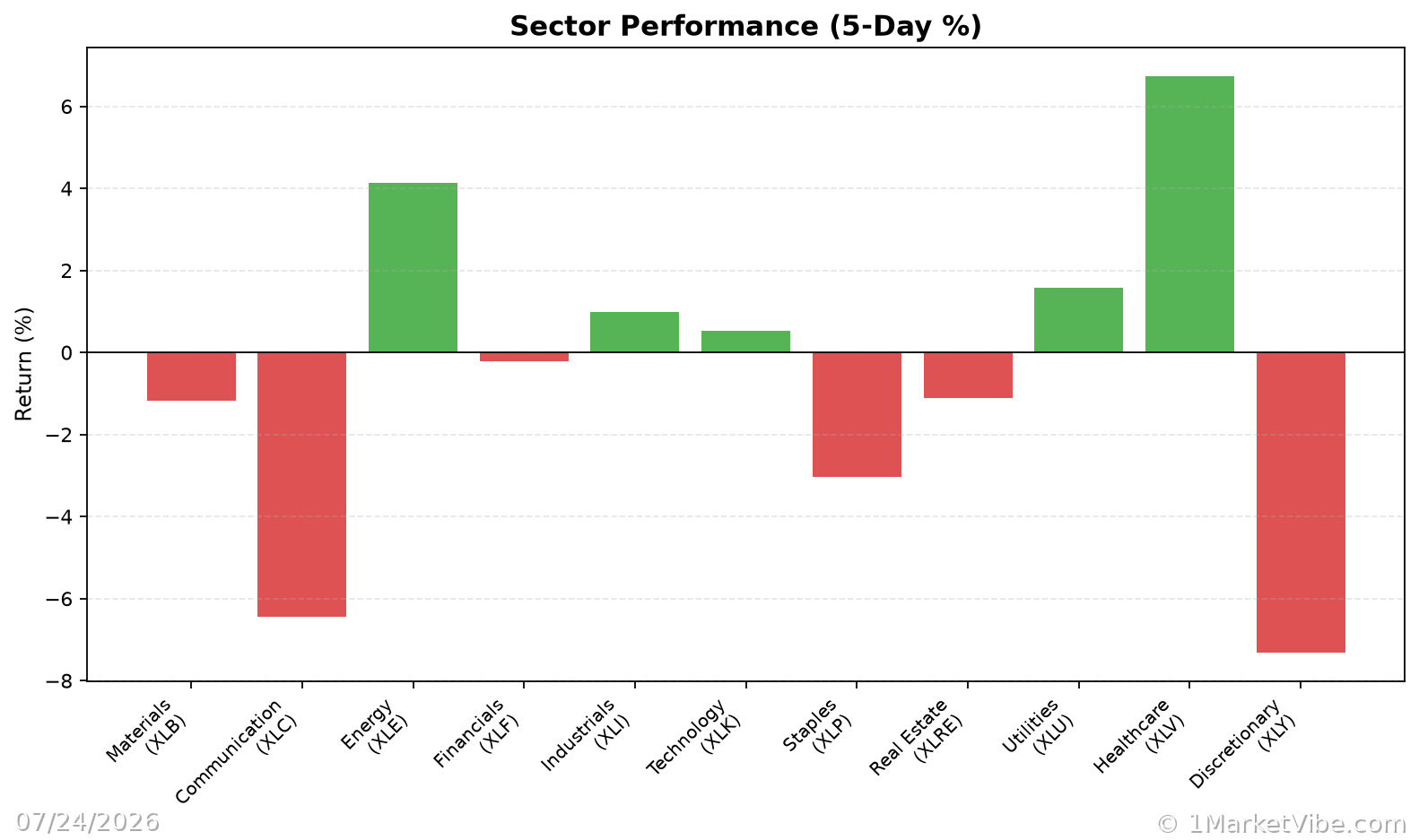
In times of rising oil prices and potential inflation, diversification becomes even more critical. Traders should consider spreading their investments across sectors that may benefit from higher oil prices, such as energy and commodities, while also maintaining exposure to defensive sectors like utilities and consumer staples. Additionally, using hedging strategies, such as options or futures, can help mitigate risks associated with increased volatility.
Risk Awareness
Understanding the risks associated with rising oil prices is essential for maintaining a balanced portfolio. While higher oil prices can lead to inflation and increased market volatility, they also present opportunities in certain sectors. Traders should be aware of the potential for unexpected market shifts, particularly if geopolitical tensions or supply chain disruptions further impact oil prices.
Real-World Scenarios
Topping Environment: Imagine a scenario where the broader market index continues to rise, but the % Above 50-DMA begins to decline. This could indicate that fewer stocks are participating in the rally, a classic sign of a market top. Traders might feel tempted to chase the rally, but a more informed view would suggest caution and a focus on defensive positions.
Bull Leg Surge: In a strong new bull market leg, the % Above 50-DMA might surge and remain elevated, indicating broad participation in the rally. Here, traders can be more open to adding exposure, provided their setups align with the broader market trend.
Volatility Spike: If oil prices suddenly increase due to geopolitical tensions, the ATR% might jump, signaling a spike in market volatility. Traders might be tempted to exit positions in panic, but a more informed approach would involve reassessing risk exposure and considering hedging strategies.
How to Use This Insight in a Process
To effectively incorporate these insights into a trading process, traders should:
- Monitor Breadth and Volatility: Use MarketVibe's % Above 50-DMA and ATR% to gauge market health and volatility. When breadth is weak and volatility is rising, consider reducing risk exposure.
- Leverage the Market Dashboard: Use the Decision Edge Dashboard to get a high-level view of market regimes and confirm internal market conditions.
- Adjust Risk Posture: When CWI is high, emphasize defensive strategies and reduce new risk. Conversely, when breadth and leadership are strong, consider increasing exposure if market conditions support it.
Common Misuses & Misconceptions
Standalone Signal: Traders often misuse metrics like the CWI as standalone entry signals. Instead, they should be used to inform risk posture and expectations.
Ignoring Context: Failing to consider sector rotation or broader economic conditions can lead to misinterpretation of metrics. Always integrate these insights with a comprehensive market view.
- Overreacting to Daily Changes: Metrics can fluctuate daily. It's essential to focus on trends and sustained changes rather than reacting to short-term movements.
To see these breadth and risk metrics in one place each day, you can use the Decision Edge dashboard at 1marketvibe.com.
Disclaimer: This article is for informational purposes only and does not constitute financial advice. Please consult a financial advisor for personalized guidance.