

Understanding the Impact of Eased Iran-US Tensions on Oil Prices
The recent easing of tensions between Iran and the United States has led to a notable decline in oil prices. This development is significant for traders and investors, as oil prices are a key driver of global economic conditions and market sentiment. In this article, we'll explore how this geopolitical shift impacts the market, using MarketVibe's metrics to provide a structured understanding of the current scenario.
Current Oil Price Trends
Recent Plummet in Oil Prices
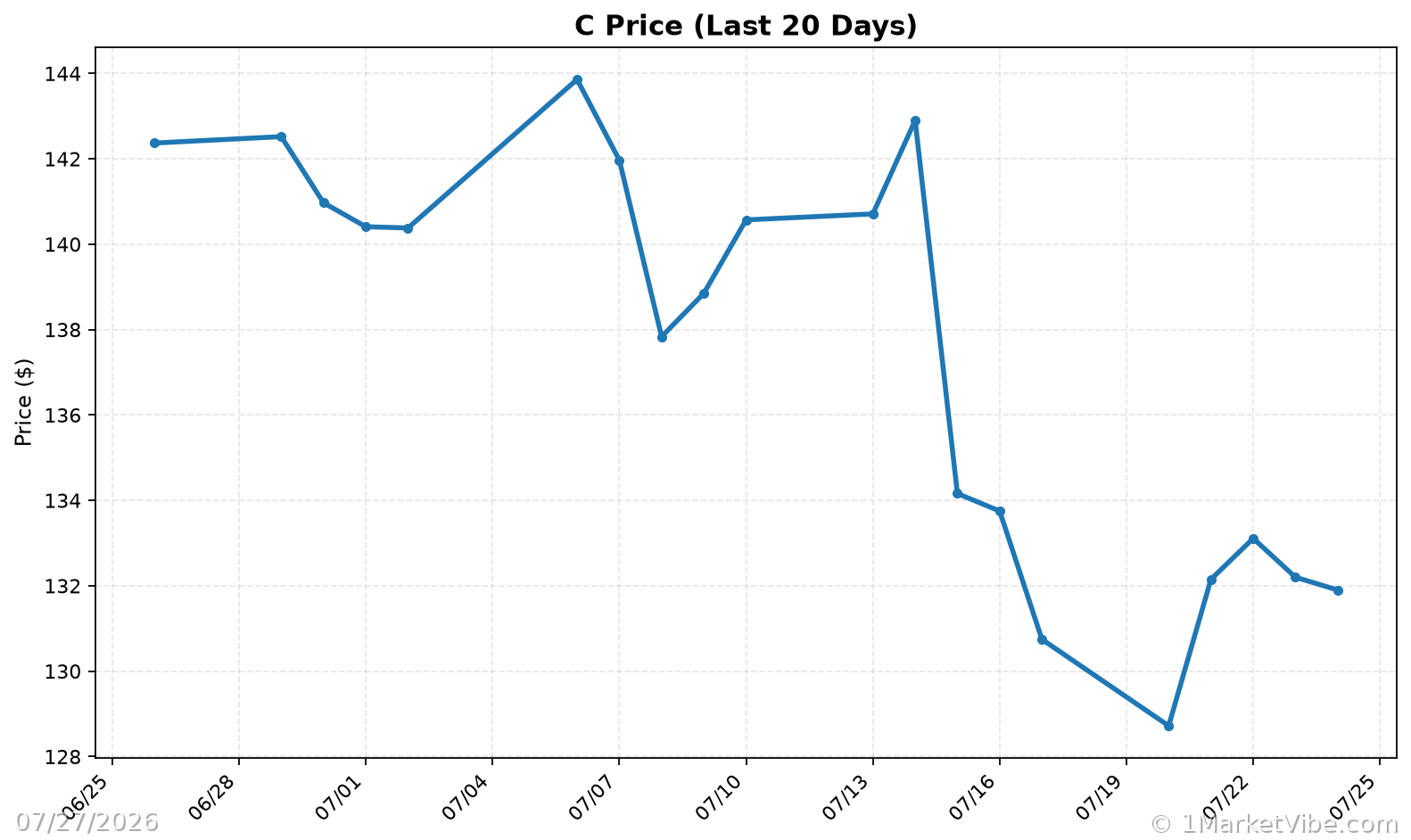
Oil prices have recently experienced a sharp decline, attributed largely to the de-escalation of tensions between Iran and the United States. Historically, geopolitical tensions in the Middle East have led to spikes in oil prices due to fears of supply disruptions. However, the current easing has reversed this trend, leading to a more stable outlook for oil supply.
Comparison with Historical Fluctuations
To put this into perspective, during previous periods of heightened Iran-US tensions, oil prices have surged significantly. For example, during the 2019 tensions, prices spiked by over 20% in a matter of weeks. The current decline suggests a reduction in perceived risk, which is reflected in the market's pricing of oil.
Impact on the Global Economy
Effects on Global Supply Chains
Lower oil prices can have a broad impact on global supply chains. For industries heavily reliant on oil, such as transportation and manufacturing, reduced costs can lead to increased profitability and potentially lower consumer prices. This can stimulate economic activity and consumer spending, contributing to overall economic stability.
Consumer Behavior and Economic Stability
As oil prices decline, consumers may experience relief at the pump, leading to increased disposable income. This can boost consumer confidence and spending, which are critical components of economic growth. However, it's important to monitor how sustained these price levels are, as volatility can still pose risks.
Market Reactions
Investor Sentiment and Market Volatility
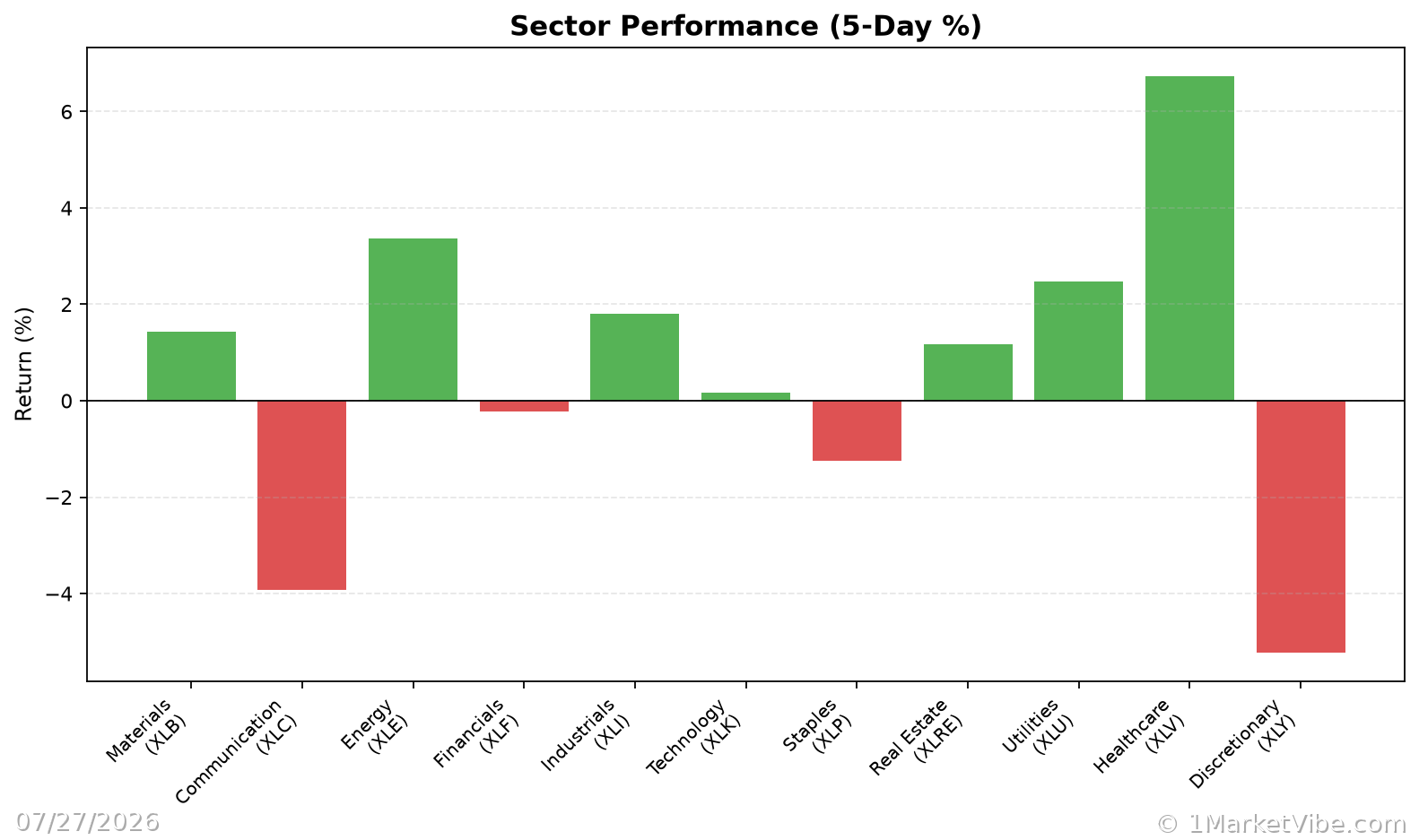
The decline in oil prices has influenced investor sentiment positively, reducing market volatility. Using MarketVibe's ATR% (Average True Range Percentage) as a measure of volatility, we observe that lower ATR% values often correspond with calmer market conditions. This suggests that the market is currently experiencing a more stable phase.
Responses from Industry Analysts
Industry analysts have noted that while the current situation is favorable for reducing costs, there remains a risk of renewed tensions. As such, many recommend maintaining a cautious approach, particularly in sectors directly impacted by oil price fluctuations.
Geopolitical Context
Overview of Iran-US Relations
The easing of tensions between Iran and the US is a result of diplomatic efforts and negotiations. This has implications for future oil supply, as Iran is a major oil producer. A stable geopolitical environment can lead to increased production and exports, further stabilizing prices.
Implications for Future Oil Supply
With tensions easing, there is potential for increased oil supply from Iran, which could further depress prices if demand does not keep pace. Traders should be aware of these dynamics and adjust their strategies accordingly.
Future Considerations
Risks of Fluctuating Oil Prices
While the current environment appears stable, the risk of fluctuating oil prices remains. Traders should monitor MarketVibe's Crash Warning Index (CWI), which currently reads 4.4. This level suggests moderate risk, and traders should be prepared for potential volatility if geopolitical tensions resurface.
Potential for Renewed Tensions
The geopolitical landscape is inherently unpredictable. Renewed tensions could quickly reverse the current trend, leading to increased volatility and risk. Traders should remain vigilant and use MarketVibe's Decision Edge dashboard to stay informed about changing conditions.
Conclusion
The easing of Iran-US tensions and the resulting decline in oil prices present both opportunities and risks for traders. By understanding the underlying market dynamics and using MarketVibe's metrics, traders can make more informed decisions about risk management and exposure.
To see these breadth and risk metrics in one place each day, you can use the Decision Edge dashboard at 1marketvibe.com.
Disclaimer: This article is for informational purposes only and does not constitute financial advice. Market conditions can change rapidly, and past performance is not indicative of future results.
Charts