

Cracker Barrel Sells Maple Street for $77 Million and Announces Closures
- Authors

- Name
- MarketVibe Team
- @1marketvibe
Cracker Barrel Sells Maple Street for $77 Million and Announces Closures
In a strategic move to streamline operations and reduce debt, Cracker Barrel has sold its Maple Street Biscuit Company and announced the closure of 16 locations. This decision, while significant for the company, also provides an opportunity to explore how such corporate actions can be analyzed within the broader market context using MarketVibe's metrics.
Understanding the Market Context
Before diving into the specifics of Cracker Barrel's decision, it's essential to understand the current market landscape. The restaurant industry, like many others, is facing challenges such as rising costs, changing consumer preferences, and economic uncertainties. These factors can influence investor sentiment and market dynamics, making it crucial for traders to have a structured approach to analyzing such developments.
Sale of Maple Street Biscuit Company
Cracker Barrel sold 35 Maple Street locations to Biscuit Belly LLC, raising $77 million through a property deal. This sale is part of a broader strategy to pay down debt and improve profitability. For traders, this move highlights the importance of understanding how corporate restructuring can impact a company's financial health and market perception.
Closure of Locations
In addition to the sale, Cracker Barrel announced the closure of 16 Maple Street locations. These closures are part of the company's effort to focus on its core brand and improve operational efficiency. The impact on employees and local communities is significant, but from a market perspective, such actions can signal a company's commitment to financial discipline and long-term growth.
Debt Management Strategy
Cracker Barrel's decision to sell and close locations is aligned with its debt reduction strategy. By monetizing owned real estate through a sale-leaseback transaction, the company aims to reduce debt while maintaining operational flexibility. This strategy can be viewed through MarketVibe's metrics, such as the Crash Warning Index (CWI), which evaluates risk dimensions including financial stability.
MarketVibe Metrics in Action
Crash Warning Index (CWI)
The CWI is a composite metric that assesses market risk by considering factors like breadth, volatility, and defensive behavior. In the context of Cracker Barrel's actions, a stable or low CWI could indicate that the market perceives these strategic moves as reducing risk and enhancing financial stability.
% Above 50-DMA
This metric measures the percentage of stocks trading above their 50-day moving average, providing insight into market breadth and trend health. If Cracker Barrel's stock remains above its 50-DMA following the announcement, it may suggest investor confidence in the company's strategic direction.
ATR% and Volatility
ATR% measures volatility relative to price. A stable ATR% in Cracker Barrel's stock could indicate that the market is not overly reactive to the news, suggesting a controlled and expected response to the company's strategic moves.
Interpretation and Scenarios
Scenario 1: Positive Market Reaction
If Cracker Barrel's stock experiences a stable or upward trend post-announcement, supported by strong breadth (% Above 50-DMA) and low volatility (ATR%), it may indicate investor approval of the strategic direction. In this scenario, traders might consider maintaining or increasing exposure, provided their setups align with broader market conditions.
Scenario 2: Neutral to Negative Reaction
Conversely, if the stock shows weak breadth and increased volatility, it could signal market skepticism about the effectiveness of the debt reduction strategy. Traders might adopt a more defensive posture, emphasizing risk management and reducing new exposure.
Practical Process Guidance
- Monitor Breadth and Volatility: Use MarketVibe's Decision Edge dashboard to track % Above 50-DMA and ATR% for Cracker Barrel and the broader market. This will help gauge investor sentiment and market stability.
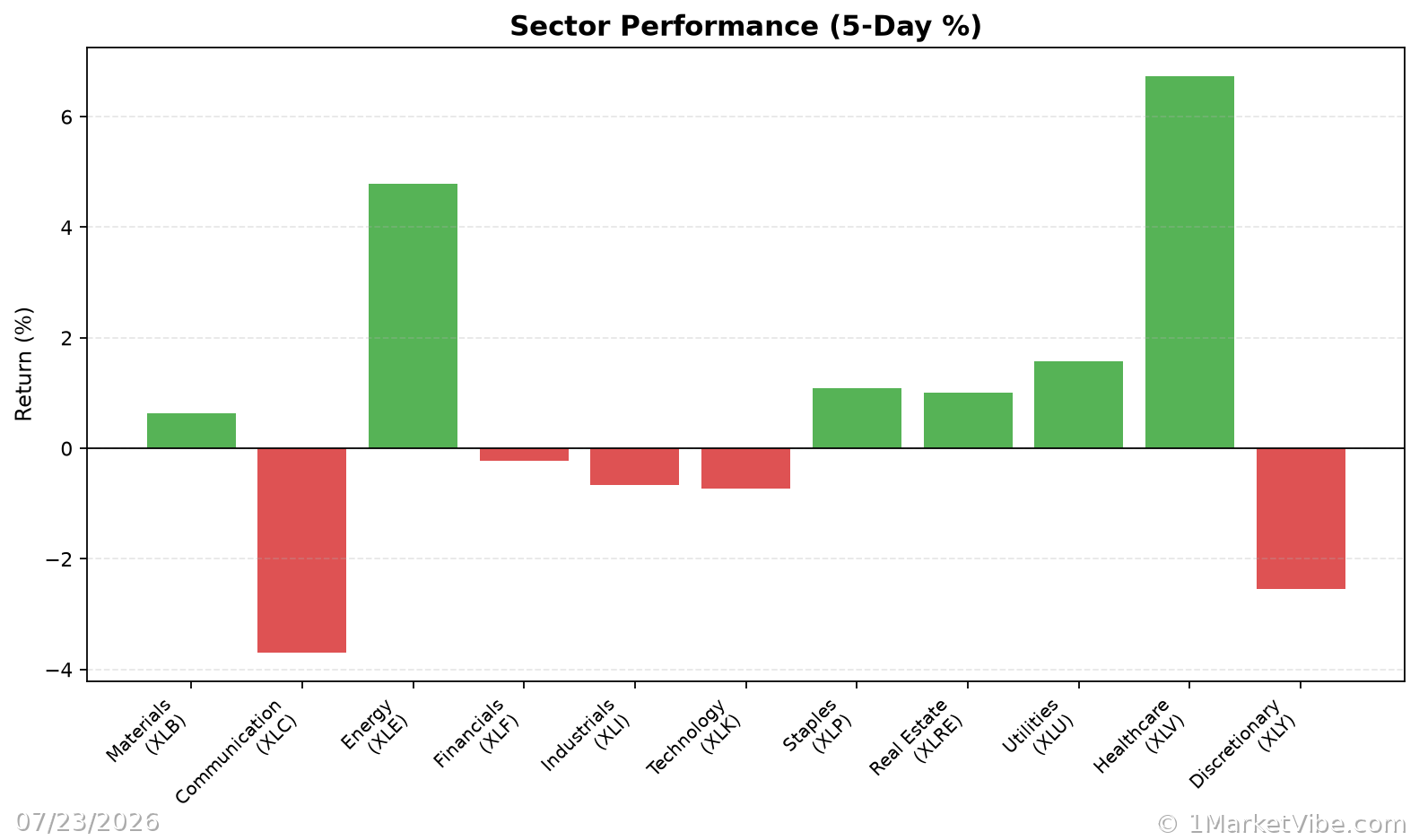
- Align with Broader Market Trends: Consider the overall market climate and sector performance when evaluating Cracker Barrel's strategic moves. A supportive market environment could enhance the effectiveness of the company's actions.
- Emphasize Risk Management: In periods of high CWI or increased volatility, prioritize defensive strategies and adjust position sizes accordingly.
Common Misuses and Misconceptions
- Over-reliance on Single Metrics: Avoid using any single MarketVibe metric as a stand-alone signal. Instead, integrate multiple indicators to form a comprehensive view.
- Ignoring Context: Consider the broader economic and sector-specific context when interpreting metrics. Cracker Barrel's actions should be viewed within the restaurant industry's current challenges.
- Overreacting to Short-term Changes: Focus on sustained trends rather than reacting to daily fluctuations. This approach helps maintain a disciplined trading process.
To see these breadth and risk metrics in one place each day, you can use the Decision Edge dashboard at 1marketvibe.com.
Disclaimer: This article is for informational purposes only and does not constitute financial advice. Please consult a financial advisor before making investment decisions.