


RBA Rate Increase and Its Implications for Investors
Introduction
The recent decision by the Reserve Bank of Australia (RBA) to increase the Official Cash Rate (OCR) by 25 basis points to 3.85% has significant implications for investors. Understanding the ripple effects of this rate hike is crucial for making informed investment decisions. In this article, we'll explore how this monetary policy shift impacts both Australian and global markets, and how investors can use MarketVibe's metrics to navigate these changes effectively.
RBA Rate Hike Overview
The RBA's decision to raise interest rates was driven by persistent inflationary pressures and a robust labor market. Despite inflation having fallen from its peak, it picked up again in the latter half of 2025, prompting the RBA to act. This rate hike aims to curb inflation and restore balance between demand and supply in the economy. For investors, this move signals a shift in the economic landscape that could affect asset valuations, currency strength, and market volatility.
Impact on Australian Markets
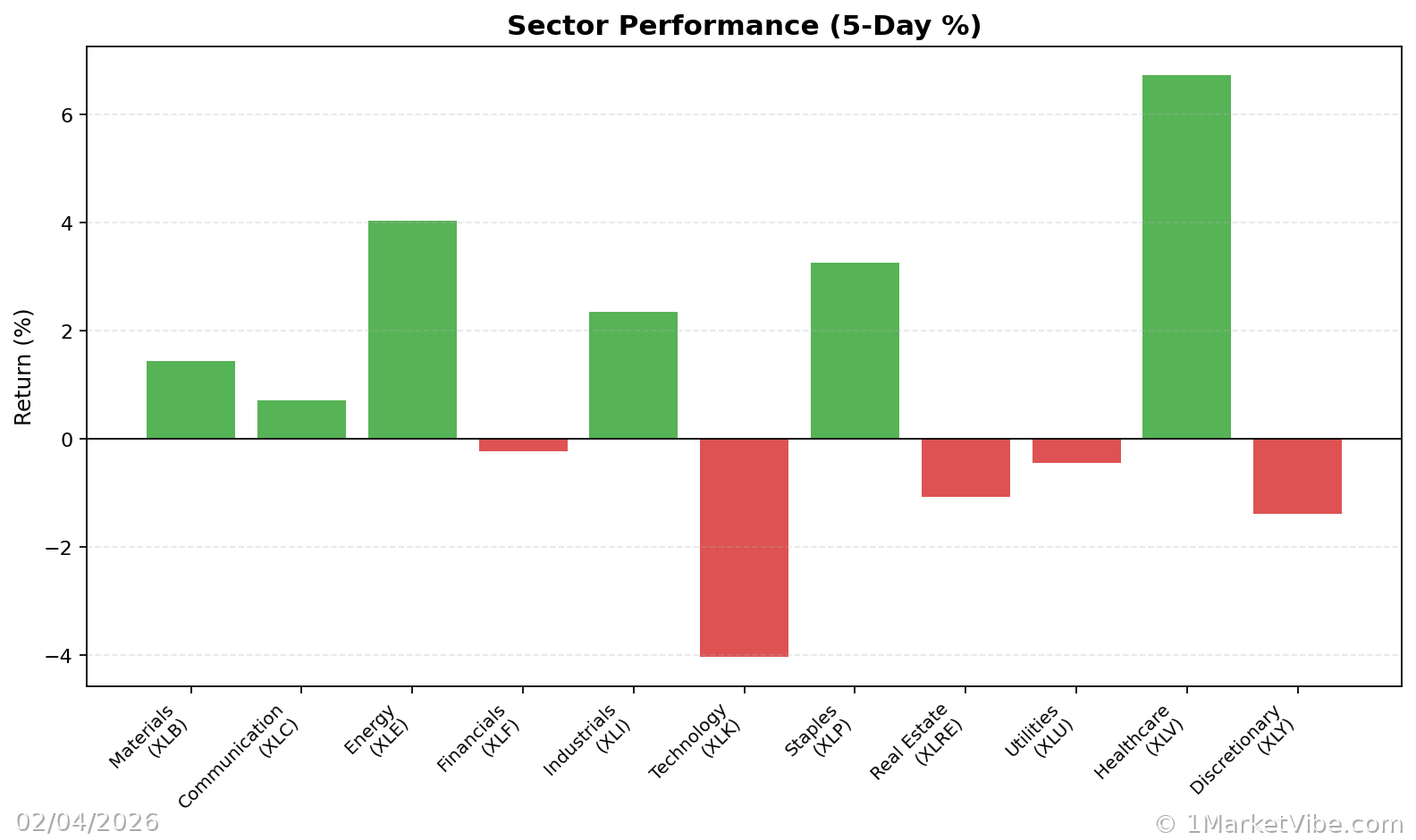
The immediate effect of the RBA's rate hike is typically seen in the bond and currency markets. Higher interest rates generally lead to higher yields on government bonds, making them more attractive to investors. This can result in a stronger Australian dollar (A$), which impacts export competitiveness. Additionally, sectors sensitive to interest rates, such as real estate and consumer discretionary, may face headwinds as borrowing costs rise.
Global Market Reactions
The RBA's rate hike also has implications beyond Australia. Global investors often view interest rate changes as indicators of economic health and monetary policy trends. A stronger A$ can influence international trade dynamics, while shifts in Australian bond yields can affect global fixed-income markets. Furthermore, the RBA's actions may prompt other central banks to reassess their monetary policies, especially in regions with close economic ties to Australia.
Investor Sentiment Analysis
Investor sentiment can be gauged using MarketVibe's Crash Warning Index (CWI), which currently stands at 5.9. This index aggregates various risk dimensions, including market breadth, volatility, and defensive behavior, to provide an early warning of potential market corrections. A CWI reading near 6 suggests elevated risk, indicating that investors should be cautious about taking on new risks.
CW Index Connection
The CWI's current level reflects the heightened uncertainty and potential for volatility following the RBA's rate hike. Historically, when the CWI is above 6 for several days, the likelihood of market corrections increases. Investors should monitor this index closely, as it can provide valuable insights into the broader risk environment and help guide strategic decisions.
Strategic Considerations for Investors
Given the current market conditions, investors should consider the following strategies:
- Monitor Position Sizing: With the CWI indicating elevated risk, it may be prudent to reduce position sizes in riskier assets and focus on capital preservation.
- Adjust Risk Exposure: Evaluate sector exposure, particularly in interest rate-sensitive areas, and consider reallocating to more defensive sectors.
- Consider Hedging Strategies: If the CWI continues to trend upwards, implementing hedging strategies such as options or inverse ETFs could help mitigate potential losses.
Potential Risks Ahead
While the RBA's rate hike aims to stabilize the economy, several risks remain. Inflationary pressures could persist, leading to further rate increases. Additionally, global economic uncertainties, such as geopolitical tensions or supply chain disruptions, could exacerbate market volatility. Investors should remain vigilant and adapt their strategies as new data emerges.
Conclusion
The RBA's recent rate hike marks a significant shift in monetary policy with wide-ranging implications for investors. By leveraging MarketVibe's metrics, such as the CWI and Decision Edge dashboard, investors can gain a clearer understanding of the current risk environment and make more informed decisions. To see these breadth and risk metrics in one place each day, you can use the Decision Edge dashboard at 1marketvibe.com.
Disclaimer: This article is for informational purposes only and should not be considered financial advice. Always consult with a financial advisor before making investment decisions.