

Gold's Plunge and Its Implications for Investors
Introduction
Recently, gold has experienced a significant price decline, catching the attention of investors worldwide. Understanding these market shifts is crucial for investors who rely on precious metals as a hedge or a component of their diversified portfolios. This article will explore the implications of gold's plunge, using MarketVibe's metrics such as the Crash Warning Index (CWI) and other indicators to provide a comprehensive view of the current market environment.
Market Context
Gold's recent price movements have been notable, with a sharp decline that has raised questions about the broader market conditions. The Crash Warning Index (CWI), a composite measure that includes breadth, volatility, and defensive behavior, currently reads at 5.9. This level suggests elevated risk, indicating that the market environment is more prone to corrections. Historically, when the CWI approaches or exceeds 6, it signals a heightened probability of market stress, which can manifest in asset classes like gold.
Investor Sentiment
Investor sentiment towards precious metals has shifted, influenced by broader economic factors and market dynamics. The decline in gold prices can be partially attributed to changing expectations about interest rates and inflation, which affect the demand for gold as a safe-haven asset. As sentiment becomes more bearish, investors may adjust their strategies, impacting market behavior. Understanding these shifts is essential for making informed investment decisions.
Impact on Portfolios
The sell-off in precious metals like gold can have significant implications for diversified portfolios. Gold is often used as a hedge against inflation and currency fluctuations. However, its recent decline suggests that investors may need to reassess their exposure. Strategies to mitigate risks associated with gold investments include diversifying into other asset classes or considering alternative hedging instruments.
Market Signals
The Crash Warning Index (CWI) provides valuable insights into market conditions and potential risks. It is constructed by analyzing several dimensions, including market breadth, volatility, and defensive sector performance. When the CWI is elevated, it suggests that the market is in a riskier state, and investors should be cautious. Understanding these signals can help investors make better-informed decisions about their portfolios.
Alternative Investments
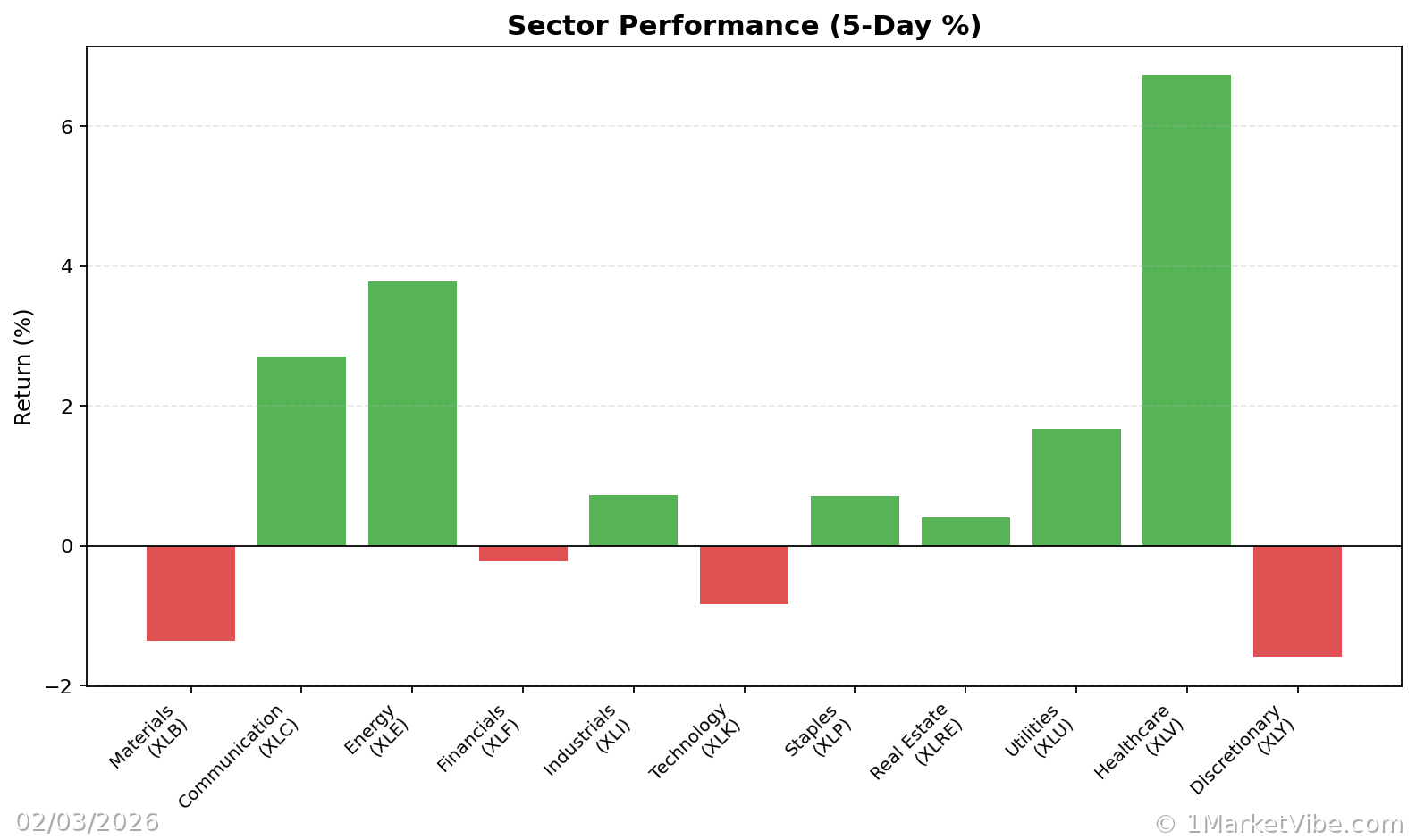
In light of the decline in gold and silver prices, investors might consider exploring alternative investments. These could include equities in sectors showing strong performance or other commodities that may offer better returns. It's crucial to conduct a thorough risk assessment of these alternatives compared to precious metals, considering factors such as volatility and market trends.
Real-World Scenarios
Scenario 1: Topping Environment
Imagine a scenario where the broader market indices are grinding higher, yet the % Above 50-DMA for gold-related stocks is declining. This divergence could indicate a topping environment where breadth is deteriorating, suggesting caution. In such cases, traders might feel tempted to chase the rally, but a more informed view would emphasize risk management and possibly reducing exposure.
Scenario 2: Bull Leg Surge
In a strong new bull leg, the % Above 50-DMA for gold could surge and remain elevated, indicating robust trend health. Investors might be inclined to increase their exposure to gold, but it's essential to ensure that setups align with broader market conditions and personal risk tolerance.
Scenario 3: Volatility Spike
A sudden spike in volatility, reflected by a jump in ATR%, could coincide with an acceleration in the CWI. This scenario suggests a turbulent market phase where risk management becomes paramount. Traders might be tempted to exit positions hastily, but a more strategic approach would involve reassessing risk exposure and potentially hedging against further volatility.
How to Use This Insight in a Process
To effectively incorporate these insights into your investment process, consider the following guidelines:
- When breadth is weak and CWI is high, emphasize defense and reduce new risk. This approach helps protect your portfolio during volatile periods.
- When breadth and leadership broaden out, you can be more open to adding exposure, provided your setups are favorable. This strategy allows you to capitalize on emerging trends while managing risk.
- Use the Market Dashboard as a high-level regime label, then check internals for confirmation. This practice ensures that your investment decisions are grounded in a comprehensive market view.
Common Misuses & Misconceptions
Traders often misuse metrics like the CWI by:
- Treating it as a stand-alone entry signal: The CWI should guide risk posture, not precise timing.
- Ignoring context: It's crucial to consider sector rotation and the broader market environment.
- Overreacting to one-day changes: Focus on trends and sustained signals rather than daily fluctuations.
A healthier alternative is to use these metrics as part of a broader strategy that incorporates multiple indicators and aligns with your investment goals.
To see these breadth and risk metrics in one place each day, you can use the Decision Edge dashboard at 1marketvibe.com.
Disclaimer: This article is for informational purposes only and should not be considered investment advice. Market conditions can change rapidly, and past performance is not indicative of future results.
Charts