
Nvidia's China Visit Highlights Technology's Role in Global Tensions
- Authors

- Name
- MarketVibe Team
- @1marketvibe
Nvidia's China Visit Highlights Technology's Role in Global Tensions
Introduction
Nvidia's involvement in global technology markets is significant, and its recent participation in a high-profile diplomatic trip underscores the growing intersection of technology and geopolitics. Nvidia's CEO, Jensen Huang, joined former President Donald Trump on a visit to China, highlighting the strategic importance of technology companies in international relations. This event provides a lens through which we can examine how technology influences global tensions and market dynamics.
Nvidia's Strategic Importance
Nvidia is a leader in the artificial intelligence (AI) and semiconductor sectors, which are crucial for technological advancement and economic growth. The company's products are integral to a wide range of applications, from gaming to data centers and autonomous vehicles. Huang's presence on the China trip signals Nvidia's pivotal role in shaping trade relations, particularly as AI and semiconductor technologies become focal points in the US-China trade dialogue.
Geopolitical Context
The ongoing trade tensions between the United States and China have significant implications for tech companies like Nvidia. These tensions often manifest in tariffs, export controls, and competitive pressures that can affect supply chains and market access. Nvidia's involvement in the diplomatic visit suggests an effort to navigate these challenges and potentially influence policy outcomes that could benefit the tech industry.
Market Reactions
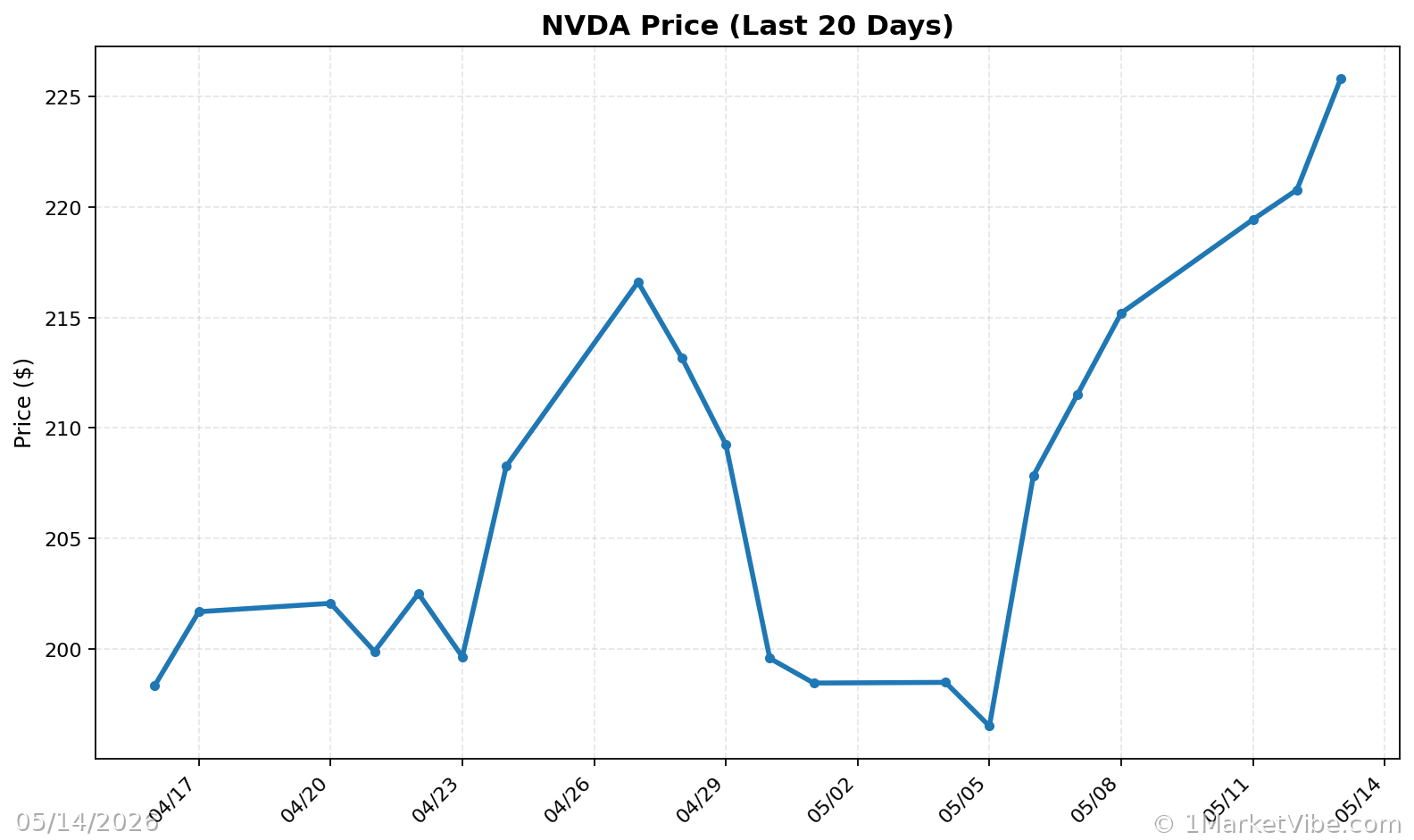
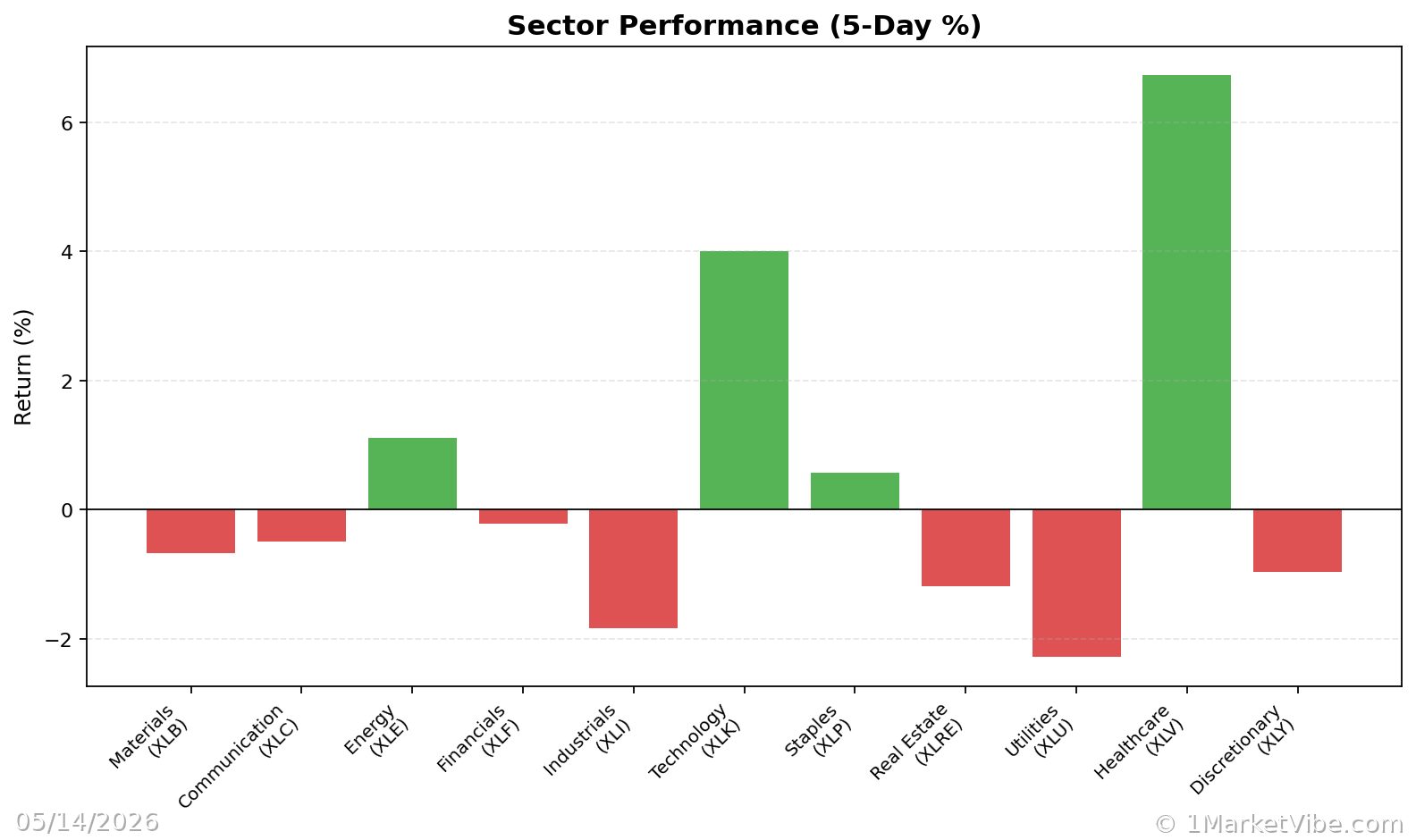
Following the announcement of Nvidia's participation in the China trip, stock market trends showed increased volatility. Investors closely monitor such geopolitical events, as they can lead to shifts in market sentiment and risk perception. The Crash Warning Index (CWI), a composite metric that assesses market risk by evaluating breadth, volatility, and defensive behavior, currently reads 5.9. This level suggests elevated risk, indicating that traders should be cautious about potential corrections.
Potential Risks
The uncertainties surrounding US-China relations pose several risks for Nvidia and the broader tech sector. These include potential disruptions to supply chains, changes in regulatory environments, and shifts in consumer demand. Traders need to be aware of these factors when assessing their exposure to tech stocks and considering their risk management strategies.
Future Considerations
As Nvidia navigates these geopolitical tensions, its strategies will likely have long-term implications for the tech industry. The company's ability to adapt to changing trade policies and maintain its competitive edge will be critical. Traders should monitor Nvidia's actions and market responses to gauge the broader impact on the tech sector.
Conclusion
Nvidia's strategic positioning in the global tech landscape underscores the importance of technology in geopolitical discussions. As traders, understanding these dynamics can inform better decision-making processes. By integrating insights from metrics like the CWI and monitoring geopolitical developments, traders can better manage risk and capitalize on opportunities in the tech market.
To see these breadth and risk metrics in one place each day, you can use the Decision Edge dashboard at 1marketvibe.com.
Disclaimer: This article is for informational purposes only and should not be considered financial advice. Always conduct your own research before making investment decisions.
Charts