

Nasdaq Rises 1.3% Amid Stabilizing Oil Prices and Investment Strategies
- Authors

- Name
- MarketVibe Team
- @1marketvibe
Understanding the Market Dynamics: Nasdaq's Rise Amid Stabilizing Oil Prices
In today's market landscape, the Nasdaq's 1.3% rise amid stabilizing oil prices offers a compelling case study for traders looking to understand the interplay of various market forces. This article will explore how MarketVibe's metrics can provide insights into these dynamics, helping traders make informed decisions.
Orientation – What Are We Explaining?
The focus here is on understanding how MarketVibe's metrics—such as the % Above 50-DMA, Crash Warning Index (CWI), and ATR%—can inform traders about market conditions. These metrics are crucial for:
- Decision-making: They help traders assess whether the market is in a risk-on or risk-off mode.
- Reducing blind spots: By providing a structured view of market internals, these metrics help traders avoid being blindsided by sudden market shifts.
- Structured process: Rather than relying on gut feelings, traders can use these metrics to build a systematic approach to market analysis.
How It Works – Mechanics & Data
% Above 50-DMA
The % Above 50-DMA measures the percentage of stocks trading above their 50-day moving average. This is a breadth indicator that reflects the overall health of the market trend.
- Construction: It considers a universe of stocks, typically within a major index like the S&P 500 or Nasdaq.
- Movement: Day-to-day changes occur as individual stocks cross above or below their 50-day moving averages.
Crash Warning Index (CWI)
The CWI is a composite index that evaluates several risk dimensions, including breadth, volatility, and defensive behavior.
- Construction: It aggregates data from multiple indicators, such as the % Above 50-DMA, ATR%, and sector performance.
- Movement: It fluctuates based on changes in these underlying indicators, signaling potential market stress when elevated.
ATR%
The ATR% measures volatility relative to price, indicating how much a stock or index typically moves in a day.
- Construction: Calculated as the Average True Range (ATR) divided by the current price.
- Movement: Increases with higher volatility and decreases during stable periods.
Interpretation – What Different Levels Tend to Mean
% Above 50-DMA
- Above 70%: Indicates strong market breadth and a healthy trend.
- Below 30%: Suggests market weakness or oversold conditions.
CWI
- Above 6: Signals elevated risk, where market corrections become more likely.
- Below 3: Indicates a stable market environment with lower risk.
ATR%
- Low ATR%: Corresponds to quiet, trending phases.
- High ATR%: Suggests choppy or unstable market conditions.
Common Combinations
- Strong breadth + low volatility: Typically seen in robust bull markets.
- Weak breadth + rising volatility: Often precedes market corrections.
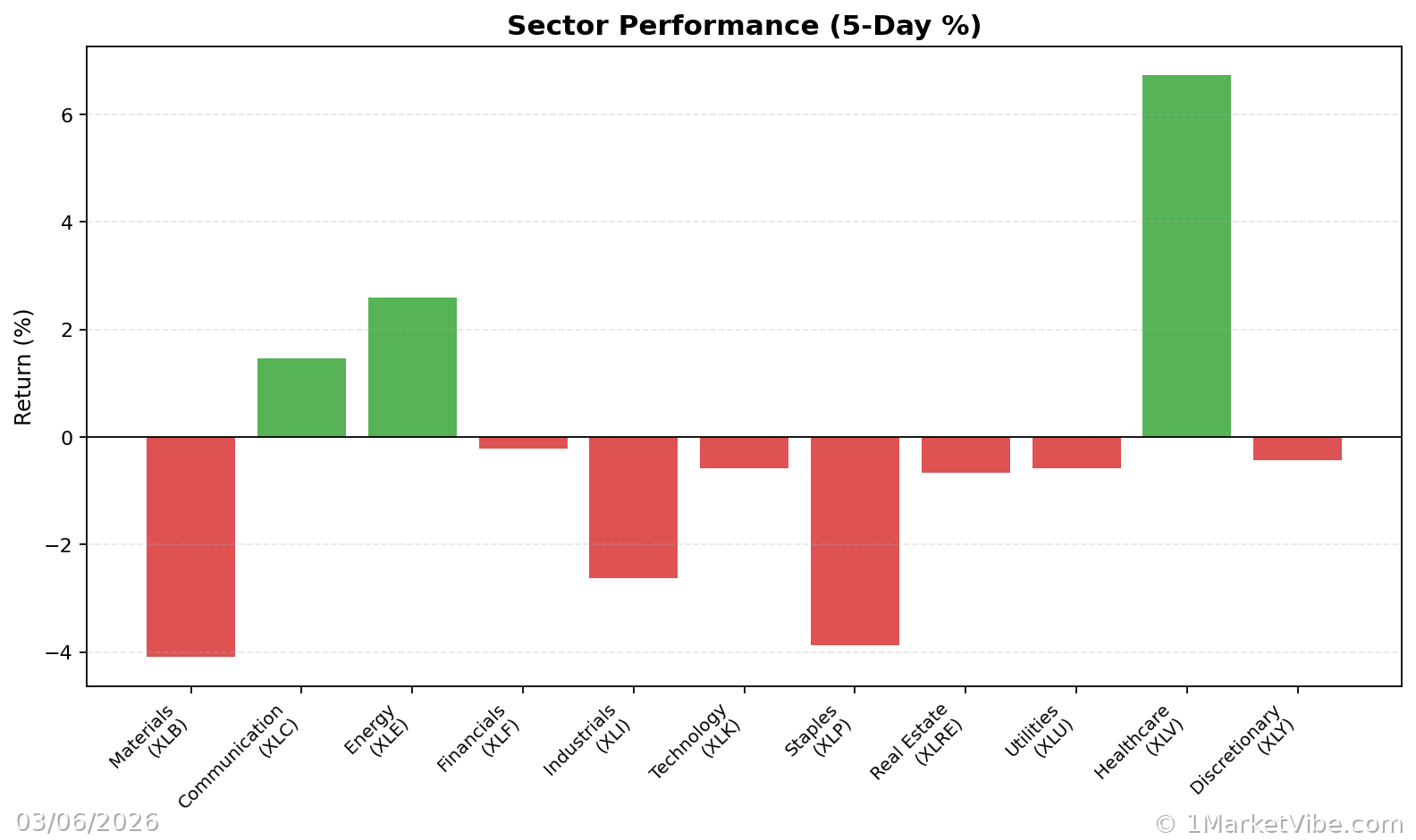
- Defensive sectors leading while CWI is high: Indicates a risk-off environment.
Real-World Scenarios – How This Shows Up in Markets
Scenario 1: A Bullish Market Surge
Imagine a scenario where the Nasdaq rises by 1.3% with the % Above 50-DMA at 75% and the CWI below 3. This suggests a strong market trend with low risk, encouraging traders to increase exposure.
Scenario 2: A Topping Market
In a topping environment, the index might grind higher, but the % Above 50-DMA falls below 40%, and the CWI rises above 6. This divergence warns traders of potential corrections, prompting a defensive stance.
Scenario 3: Volatility Spike
During a volatility spike, ATR% jumps significantly, and CWI accelerates. Traders might feel tempted to panic sell, but a more informed approach would involve reassessing risk exposure and considering hedging strategies.
How to Use This Insight in a Process
- Weak breadth and high CWI: Emphasize defense and reduce new risk.
- Broadening breadth and leadership: Be open to adding exposure if setups align.
- Market Dashboard: Use it as a high-level regime label, then check internals for confirmation.
Common Misuses & Misconceptions
- Treating metrics as stand-alone signals: Always consider the broader market context.
- Ignoring sector rotation: Pay attention to which sectors are leading or lagging.
- Overreacting to one-day changes: Focus on trends and sustained movements rather than daily noise.
To see these breadth and risk metrics in one place each day, you can use the Decision Edge dashboard at 1marketvibe.com.
Disclaimer: This article is for informational purposes only and should not be considered financial advice. Always consult with a financial advisor before making investment decisions.