

Dow Futures Plunge 1,000 Points as Oil Prices Surge to $120
- Authors

- Name
- MarketVibe Team
- @1marketvibe
Understanding Market Reactions to Oil Price Surges
In recent days, Dow futures have plunged over 1,000 points as oil prices surged to $120 per barrel. This dramatic shift in market dynamics is a prime example of how external factors like geopolitical tensions and commodity price fluctuations can influence equity markets. To navigate such volatility, traders can benefit from understanding key market indicators and how they interact with broader economic conditions.
Market Context and Importance
The surge in oil prices, driven by geopolitical tensions and production cuts by Gulf producers, has created a ripple effect across global markets. For traders, understanding the underlying market mechanics is crucial for informed decision-making. This situation highlights the importance of metrics like the Crash Warning Index (CWI), % Above 50-DMA, and ATR% in assessing market risk and volatility.
How MarketVibe Metrics Work
Crash Warning Index (CWI)
CWI is a composite metric that aggregates several risk dimensions, including market breadth, volatility, and defensive behavior. It helps traders gauge the overall risk environment. A CWI reading above 6 indicates heightened risk, suggesting that market corrections are more likely. Currently, the CWI stands at 7.6, signaling elevated risk levels.
% Above 50-DMA
This metric measures the percentage of stocks trading above their 50-day moving average, offering insights into market breadth and trend health. A low percentage indicates weak market breadth, often preceding downturns, while a high percentage suggests robust market strength.
ATR% (Average True Range Percentage)
ATR% measures market volatility relative to price. High ATR% values indicate increased volatility, often associated with market instability, while low values suggest calm, trending conditions.
Interpretation of Current Market Conditions
With the CWI at 7.6, the market is in a high-risk regime. This, combined with a potential decrease in the % Above 50-DMA due to recent declines, suggests a weakening market environment. High ATR% values further confirm increased volatility, reflecting the market's reaction to oil price shocks.
Real-World Scenarios
Scenario 1: Topping Environment
Imagine a scenario where the Dow continues to grind higher despite deteriorating breadth. The % Above 50-DMA might drop below 40%, indicating that fewer stocks are participating in the rally. Traders might feel tempted to chase the rally, but a more informed view would suggest caution due to weakening internals.
Scenario 2: Volatility Spike
In a situation where oil prices surge unexpectedly, ATR% could jump significantly. This increase in volatility might lead to a rapid decline in indices, as seen with the recent 1,000-point drop in Dow futures. Traders should focus on risk management and avoid making impulsive decisions based on short-term price movements.
Scenario 3: Bull Leg with Strong Breadth
Conversely, if geopolitical tensions ease and oil prices stabilize, the % Above 50-DMA could surge, indicating a broad-based rally. In such a scenario, traders might consider increasing exposure, provided their setups align with the broader market trend.
Incorporating Insights into Trading Processes
- Emphasize Defense: When the CWI is high and breadth is weak, prioritize defensive strategies and reduce new risk exposure.
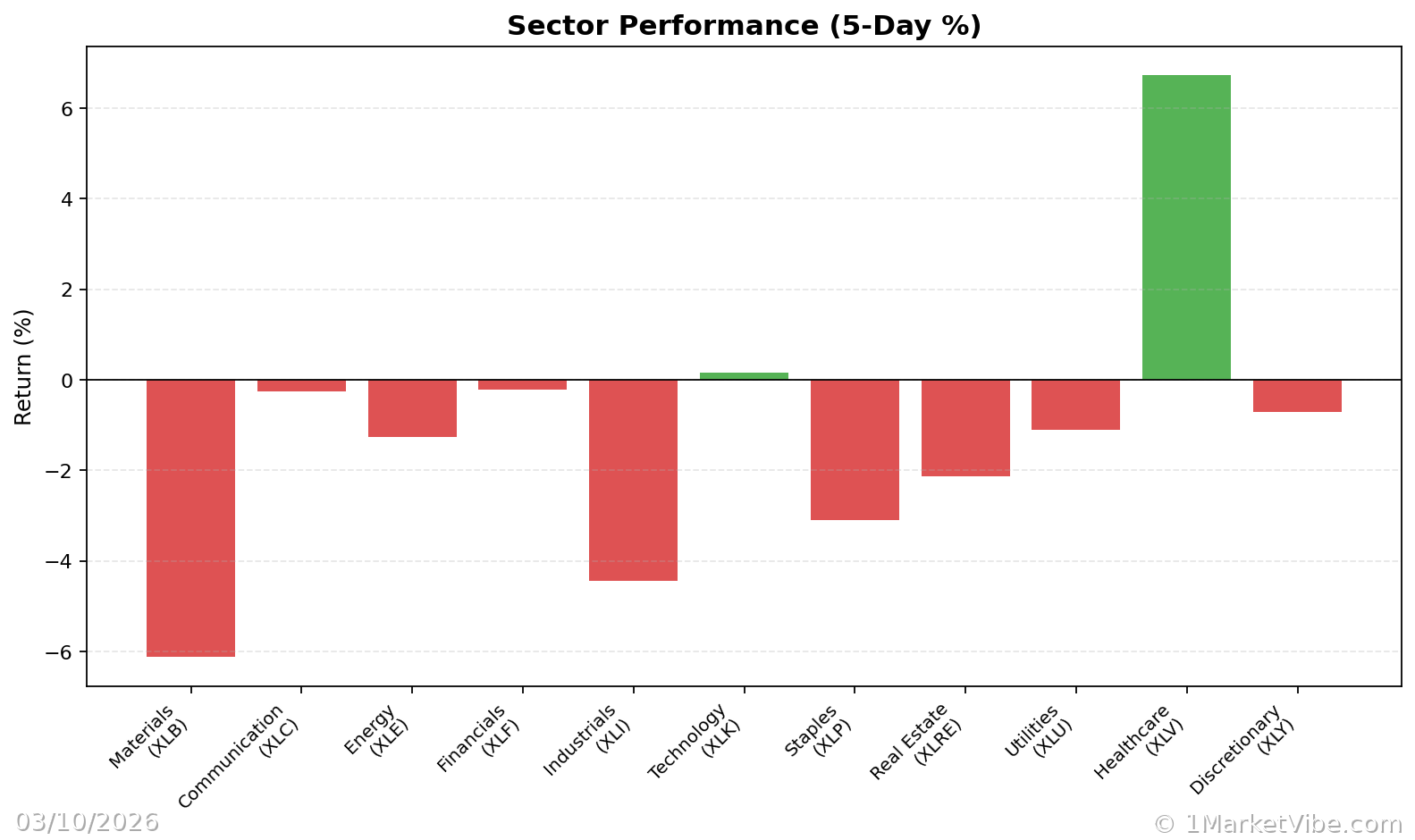
- Monitor Breadth and Leadership: Use the Market Dashboard to assess market breadth and sector leadership. A broadening of these metrics can signal opportunities to add exposure.
- Adjust Risk Posture: High ATR% suggests increased volatility; adjust position sizes accordingly to manage risk.
Common Misuses and Misconceptions
Standalone Signal Misuse: Traders often misuse these metrics as standalone entry signals. Instead, they should be part of a broader analysis framework.
Ignoring Context: Focusing solely on one metric without considering sector rotation or broader market context can lead to misguided decisions.
Overreacting to Daily Changes: Metrics can fluctuate daily; it's crucial to consider trends over time rather than reacting to single-day changes.
To see these breadth and risk metrics in one place each day, you can use the Decision Edge dashboard at 1marketvibe.com.
Disclaimer: The information provided is for educational purposes only and should not be considered as investment advice. Always conduct your own research or consult with a financial advisor before making investment decisions.