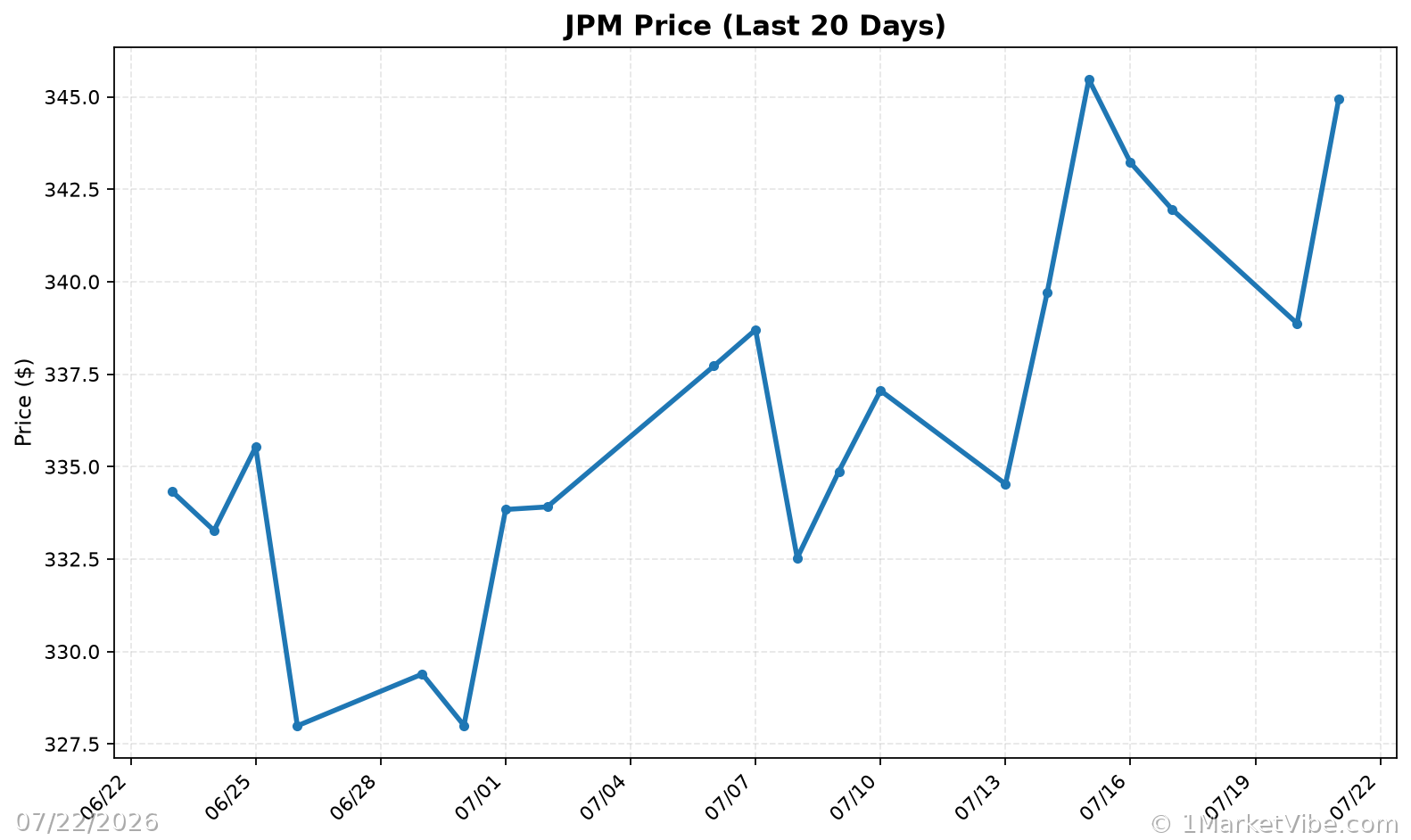

Market Risks Underestimated: Implications of Dimon's Warning
- Authors

- Name
- MarketVibe Team
- @1marketvibe
Market Risks Underestimated: Implications of Dimon's Warning
In recent discussions, Jamie Dimon, CEO of JPMorgan Chase, has issued a cautionary note regarding potential underestimation of market risks. This article explores the implications of Dimon's warning through the lens of MarketVibe's metrics, particularly focusing on the Crash Warning Index (CWI) and other key indicators. Understanding these metrics can help traders make informed decisions and manage risk more effectively.
Dimon's Perspective
Jamie Dimon has a history of providing insightful market warnings, often highlighting risks that may not be immediately apparent to the broader market. His recent remarks suggest that while markets appear stable, underlying risks could be underestimated. Historically, such warnings have preceded periods of increased market volatility or corrections, making it crucial for traders to pay attention.
Current Market Conditions
The Crash Warning Index (CWI) is a composite metric that aggregates several dimensions of market risk, including breadth, volatility, and defensive behavior. As of now, the CWI stands at 5.1, indicating a moderate level of risk. This reading suggests that while the market is not in immediate danger, there are underlying factors that could lead to increased volatility.
How CWI Works
The CWI is constructed by analyzing various market components:
- Breadth: Measures the percentage of stocks above their 50-day moving average, indicating the health of market trends.
- Volatility: Assessed through metrics like ATR% (Average True Range as a percentage of price), which reflects market stability.
- Defensive Behavior: Analyzes the performance of defensive sectors compared to the broader market.
Changes in these components can cause the CWI to fluctuate. For example, a sudden increase in volatility or a decline in breadth could push the CWI higher, signaling elevated risk.
Potential Risks Identified
Dimon's warning highlights several potential risks, including geopolitical tensions, economic slowdowns, and unexpected policy changes. These factors can impact market stability and are often reflected in MarketVibe's metrics.
External Factors
External factors such as interest rate changes, trade policies, and global economic conditions can influence market sentiment and risk levels. Traders should monitor these developments alongside MarketVibe's indicators to gain a comprehensive view of market conditions.
Investor Sentiment
Despite Dimon's warnings, current investor sentiment appears relatively stable. However, historical analysis shows that complacency can lead to unexpected market downturns. Comparing current sentiment with past reactions to similar warnings can provide valuable insights.
Market Predictions
Predicting market movements is inherently challenging, but understanding the implications of key metrics can help manage expectations. For instance, if the CWI continues to trend higher, it may indicate a growing risk of market correction, prompting traders to adjust their strategies accordingly.
Real-World Scenarios
Let's explore a few scenarios where these metrics play a crucial role:
Topping Environment: Imagine a scenario where major indices continue to rise, but the percentage of stocks above their 50-DMA declines. This divergence often precedes market tops. Traders might feel tempted to chase the rally, but a more informed approach would be to reduce exposure and prepare for potential corrections.
Bull Market Surge: In a strong bull market, the % Above 50-DMA might surge and remain elevated. This indicates robust market breadth and can justify increased exposure to equities, provided individual setups align with broader trends.
Volatility Spike: A sudden increase in ATR% alongside a rising CWI could signal a volatility spike. Traders might instinctively react by exiting positions, but a strategic approach would involve reassessing risk management and possibly hedging against further volatility.
How to Use This Insight in a Process
To incorporate these insights into a trading process, consider the following guidelines:
- Risk Management: When breadth is weak and CWI is high, emphasize defensive strategies and reduce new risk exposure.
- Exposure Adjustment: As breadth and leadership broaden, consider increasing exposure, but only if individual setups are favorable.
- Regime Confirmation: Use the Market Dashboard to identify high-level market regimes and confirm with internal metrics like CWI and breadth.
Common Misuses & Misconceptions
Traders often misuse these metrics by:
- Treating as Stand-Alone Signals: Metrics like CWI should not be used in isolation for entry or exit decisions. They are best used to inform risk posture.
- Ignoring Context: It's crucial to consider sector rotation and broader economic conditions alongside these metrics.
- Overreacting to Daily Changes: Short-term fluctuations in metrics can be misleading. Focus on trends and sustained changes.
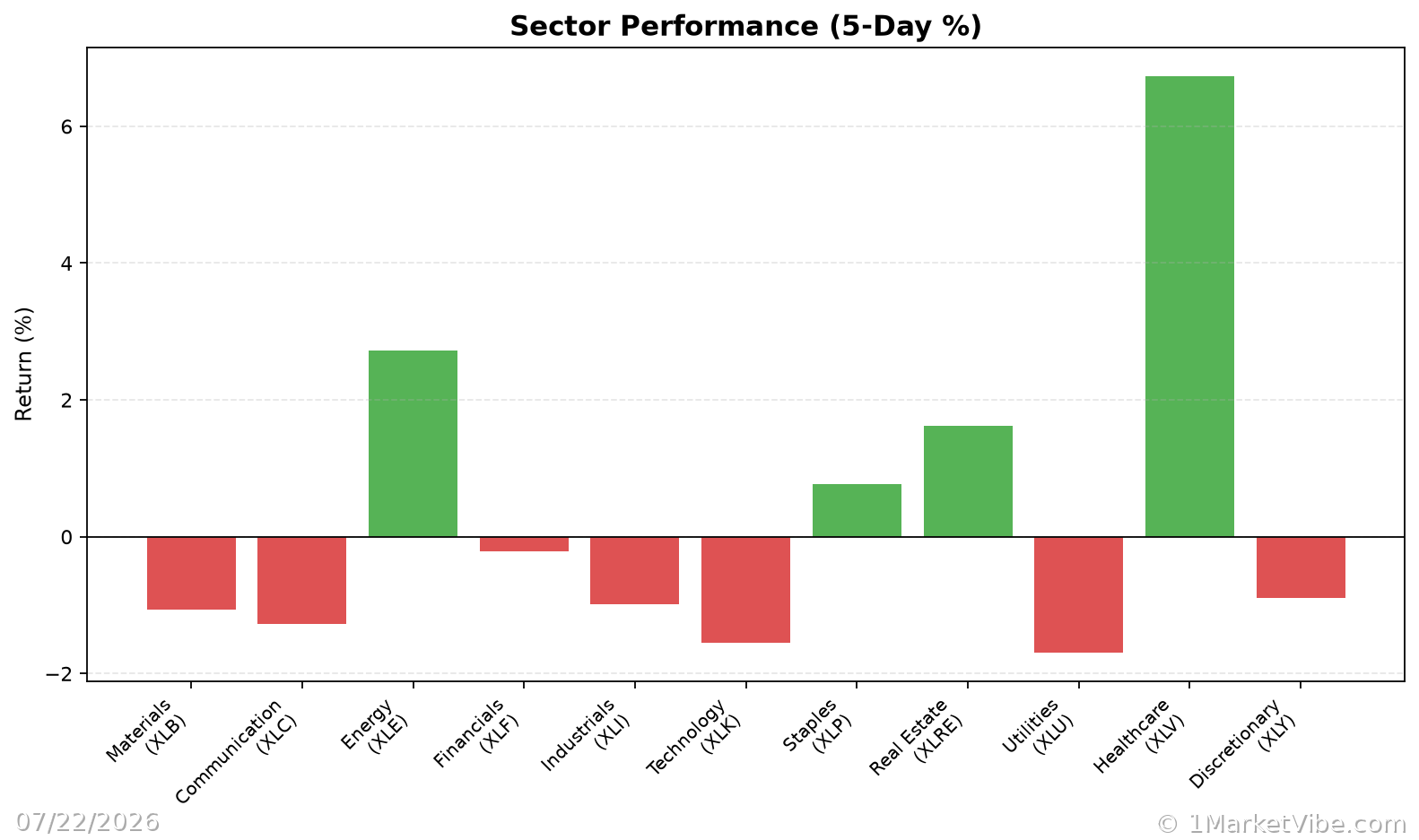
To see these breadth and risk metrics in one place each day, you can use the Decision Edge dashboard at 1marketvibe.com.
Disclaimer: This article is for informational purposes only and should not be considered financial advice. Always conduct your own research or consult a financial advisor before making investment decisions.
Charts