

Hyundai Sales Impacted by Safety Recalls and Implications for Investors
- Authors

- Name
- MarketVibe Team
- @1marketvibe
Hyundai Sales Impacted by Safety Recalls and Implications for Investors
Introduction
Hyundai's recent sales halt due to safety recalls has captured the attention of both consumers and investors. Safety recalls can significantly impact consumer confidence, which is a crucial factor in the automotive market. Understanding the implications of such events can help investors navigate the complexities of the market and make informed decisions.
Safety Recall Details
Hyundai has announced a safety recall affecting several of its vehicle models due to potential defects that could compromise safety. The recall involves a significant number of vehicles, prompting the company to halt sales temporarily. This move aims to address the safety concerns and mitigate potential risks associated with the defects.
Impact on Consumer Confidence
Safety recalls can severely diminish consumer trust in a brand. When a company issues a recall, it often leads to concerns about the reliability and safety of its products. Historical examples, such as the massive recalls by Toyota in the early 2010s, show that such events can lead to a decline in brand loyalty and sales. For Hyundai, the challenge lies in restoring consumer confidence and maintaining its market position.
Market Reaction
The initial stock market response to Hyundai's announcement was a decline in the company's share price. This reaction is not uncommon, as investors often view recalls as a sign of potential financial and reputational damage. By comparing Hyundai's situation to past recalls in the auto industry, we can better understand the market dynamics at play. For instance, when Ford faced similar issues, its stock experienced volatility, reflecting investor uncertainty.
Broader Industry Implications
Hyundai's recall could have ripple effects across the automotive industry. Other automakers and suppliers may face increased scrutiny from regulators, leading to more stringent safety standards. This heightened regulatory environment can impact production costs and timelines, affecting the entire supply chain.
Investor Considerations
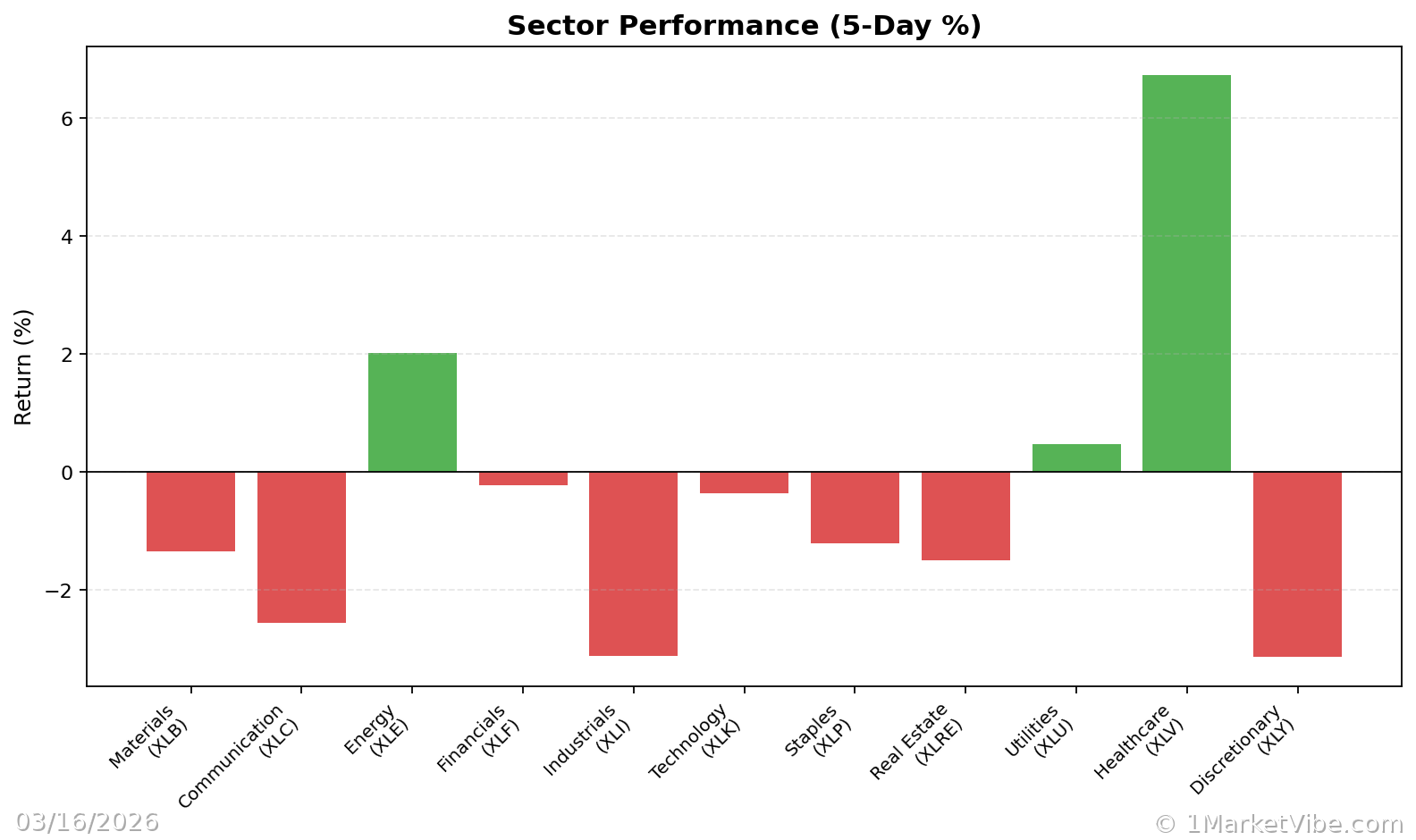
For investors, navigating the automotive sector amid recalls requires careful consideration of various risk factors. Monitoring the Crash Warning Index (CWI) can provide insights into broader market risk conditions. A high CWI suggests elevated risk, prompting investors to adopt a more defensive posture. Additionally, the Market Dashboard can help identify sector-specific trends and potential opportunities.
Conclusion
Hyundai's sales halt due to safety recalls underscores the importance of safety and consumer confidence in the automotive market. For investors, understanding the implications of such events and leveraging tools like the CWI and Market Dashboard can aid in making informed decisions. To see these breadth and risk metrics in one place each day, you can use the Decision Edge dashboard at 1marketvibe.com.
DISCLAIMER: This content is for informational purposes only and should not be considered as financial advice. Market conditions can change rapidly and unpredictably. MarketVibe authors, editors, and affiliates may hold positions in securities discussed in our analysis. However, our editorial policy prohibits trading on non-public information and requires disclosure of material conflicts.