


CW Index at 8.07 and Its Implications for Oil Prices
In the complex world of trading, understanding the underlying market dynamics is crucial for making informed decisions. One of the tools that traders can use to gauge market risk is the Crash Warning Index (CWI). Recently, the CWI has reached a level of 8.07, a significant reading that warrants attention, especially in the context of current geopolitical tensions affecting oil prices.
What is the Crash Warning Index (CWI)?
The Crash Warning Index (CWI) is a composite metric designed to assess the risk of significant market corrections. It incorporates several dimensions of market behavior, including breadth, volatility, and defensive sector performance. Traders should care about the CWI because it helps them understand the broader risk environment, allowing them to adjust their strategies accordingly. Rather than serving as a magic signal, the CWI is a tool for informing risk management and decision-making processes.
How is the CWI Constructed?
The CWI is built from multiple market indicators:
- Breadth: Measures the proportion of stocks advancing versus declining. A healthy market typically shows broad participation.
- Volatility: Assessed through metrics like ATR% (Average True Range as a percentage of price), indicating how much the market is moving.
- Defensive Behavior: Observes the performance of traditionally defensive sectors (e.g., utilities, consumer staples) relative to the broader market.
These components are combined to provide a single index value, which fluctuates based on daily market conditions. A rising CWI suggests increasing risk, while a declining CWI indicates a more stable environment.
Interpreting the CWI
Ranges and Implications:
- Below 3: Generally indicates a stable market with low risk of correction.
- 3 to 6: Suggests moderate risk, where traders should be cautious but not overly defensive.
- Above 6: Signals elevated risk, where corrections are more likely, and a defensive posture may be warranted.
At a current reading of 8.07, the CWI is firmly in the high-risk zone, suggesting that traders should be vigilant about potential market corrections.
Real-World Scenarios
Scenario 1: Geopolitical Tensions and Oil Prices
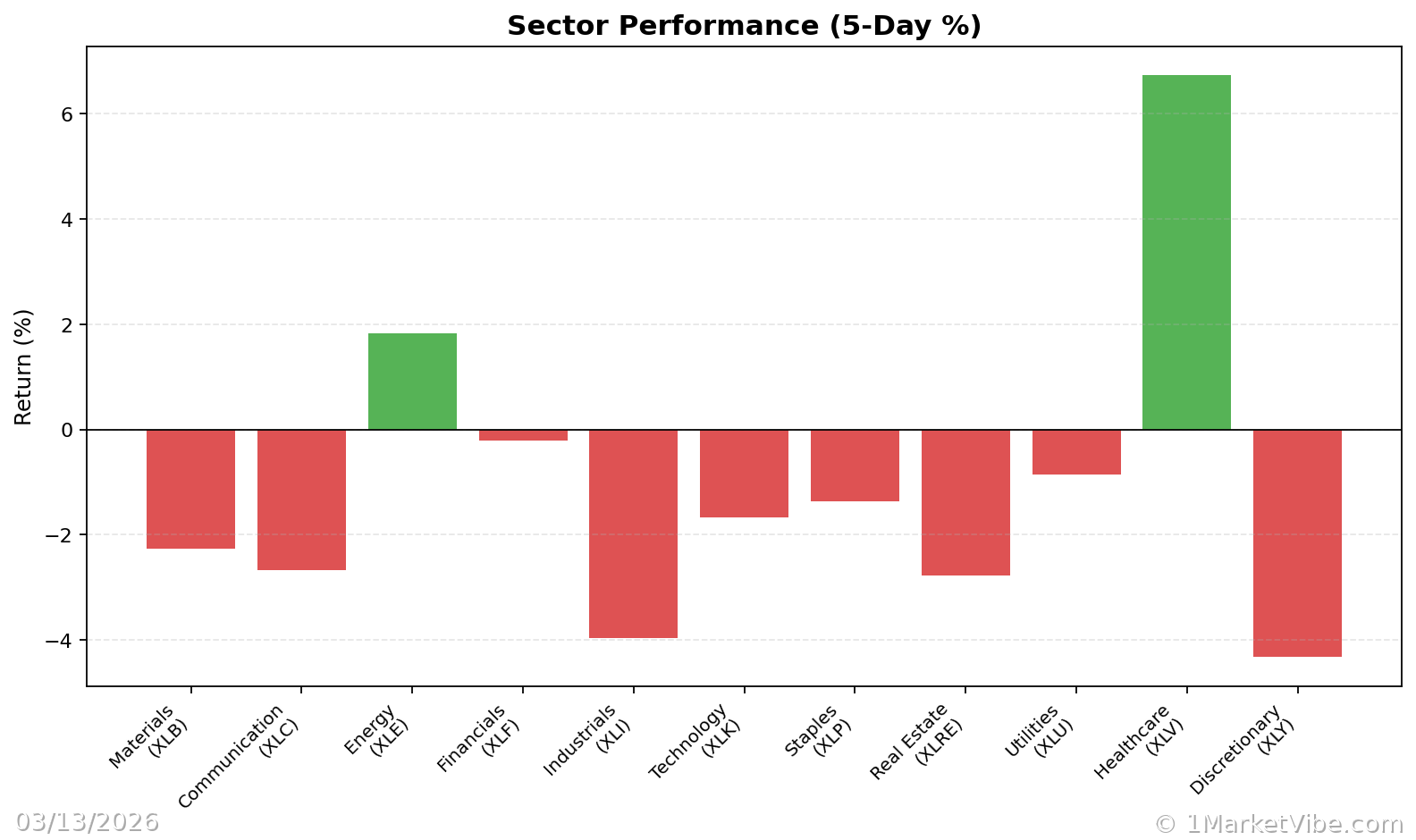
With recent tensions in the Strait of Hormuz, where Iran has laid mines, the risk to global oil supply has increased. Historically, such geopolitical events have led to spikes in oil prices and increased market volatility. In this scenario, the CWI likely rose due to heightened volatility and defensive sector strength, reflecting market anxiety.
Scenario 2: Market Correction Signals
Imagine a scenario where the broader market indices are climbing, but the CWI remains elevated. This could indicate that while prices are rising, underlying market health is deteriorating, with fewer stocks participating in the rally. Traders might feel tempted to chase the rally, but a high CWI suggests caution.
Scenario 3: Volatility Spike
In a situation where ATR% jumps significantly, indicating increased daily price swings, the CWI would likely rise. This scenario often occurs during earnings seasons or unexpected geopolitical events, leading traders to reassess their risk exposure.
Using CWI in a Trading Process
Practical Guidelines:
- High CWI (Above 6): Emphasize defensive strategies, reduce new risk exposure, and consider hedging against potential downturns.
- Moderate CWI (3 to 6): Maintain a balanced approach, being selective with new positions and mindful of risk management.
- Low CWI (Below 3): More conducive to risk-taking, but always within the context of broader market conditions and individual setups.
Traders should use the CWI as part of a broader decision-making framework, such as MarketVibe's Decision Edge Dashboard, which provides a comprehensive view of market conditions.
Common Misuses & Misconceptions
Treating CWI as a Stand-Alone Signal: The CWI should not be used in isolation. It is most effective when combined with other indicators and market context.
Ignoring Sector Rotation: A high CWI might coincide with sector rotation, where defensive sectors outperform. Ignoring this context can lead to misinterpretation.
Overreacting to Daily Changes: The CWI can fluctuate daily. Traders should focus on trends rather than single-day movements to avoid unnecessary adjustments.
Neglecting Time Frame: The CWI's implications can vary depending on the trader's time horizon. Short-term traders might react differently than long-term investors.
Disregarding External Factors: Geopolitical events, like those affecting oil prices, can influence the CWI. Traders should consider these factors in their analysis.
To see these breadth and risk metrics in one place each day, you can use the Decision Edge dashboard at 1marketvibe.com.
Disclaimer: This article is for informational purposes only and does not constitute financial advice. Market conditions can change rapidly, and past performance is not indicative of future results.