

Billionaires Withdraw Support and Its Market Implications
- Authors

- Name
- MarketVibe Team
- @1marketvibe
Billionaires Withdraw Support and Its Market Implications
In 2010, Warren Buffett and Bill Gates initiated the Giving Pledge, a campaign encouraging billionaires to commit a majority of their wealth to philanthropy. This pledge was seen as a way to redistribute wealth and address societal inequalities. However, recent reports suggest that some billionaires are reconsidering their commitments, which could have significant implications for both philanthropy and financial markets.
Why Traders Should Care
Understanding the implications of billionaires withdrawing support from philanthropic commitments is crucial for traders because it can signal shifts in market dynamics and investor sentiment. These changes can influence market sectors differently, affect liquidity, and alter the broader economic landscape. By monitoring these developments, traders can make more informed decisions about risk management and portfolio adjustments.
How It Works: The Mechanics of Market Influence
When billionaires withdraw support from philanthropic commitments, it can lead to changes in market behavior. Here's how:
Liquidity and Capital Flows: Billionaires often have significant investments in various sectors. A shift in their focus from philanthropy to other investments can alter capital flows, impacting liquidity in certain markets.
Sector Performance: If billionaires redirect funds away from philanthropy and into specific industries, it can lead to sector rotation. For example, increased investment in technology or renewable energy could boost those sectors, while others may lag.
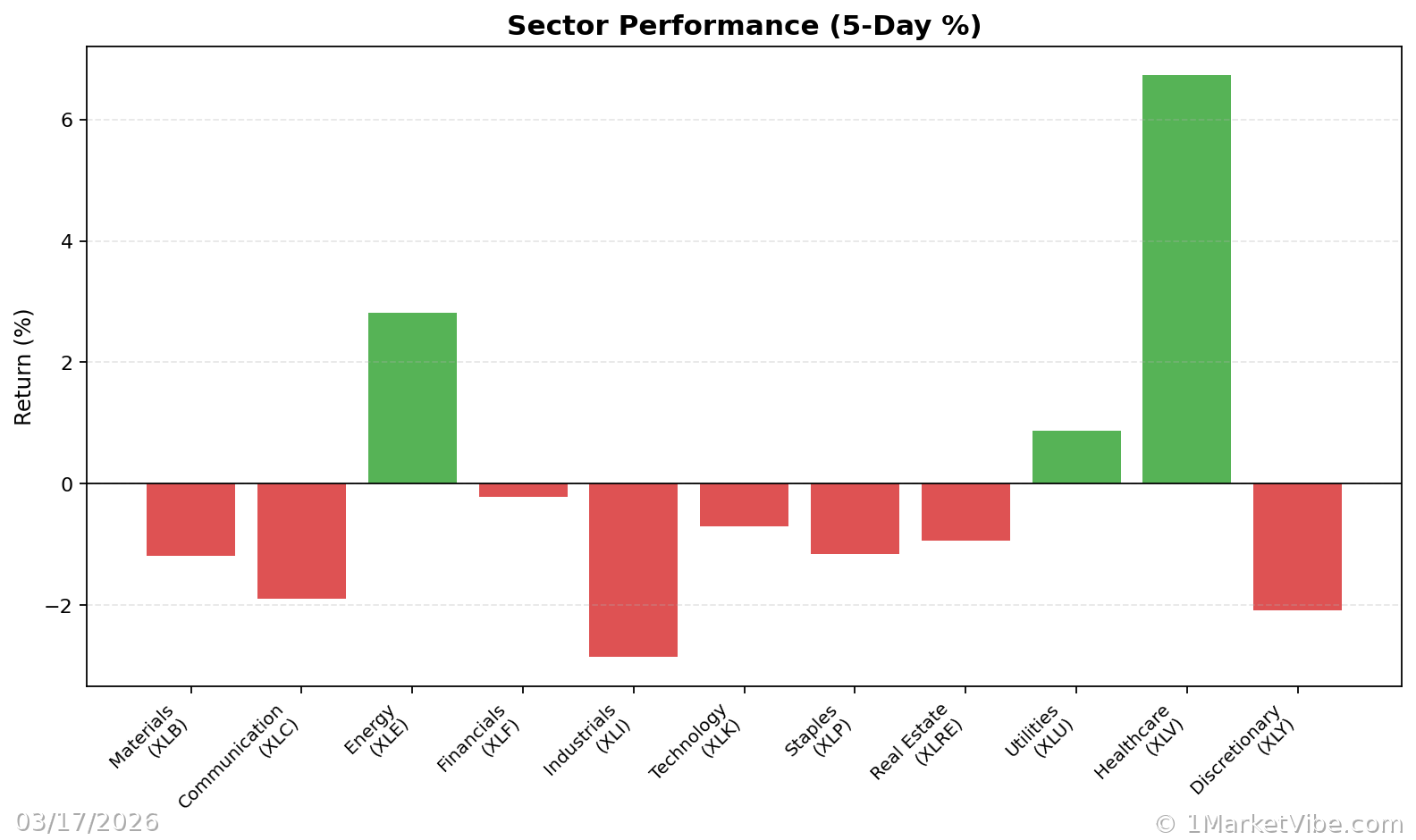
- Market Sentiment: The withdrawal of support can also affect market sentiment. If the public perceives this as a lack of confidence in the economy or societal progress, it could lead to increased volatility.
Interpretation: What Different Levels Tend to Mean
To understand the market implications, we can use MarketVibe's metrics:
Crash Warning Index (CWI): This composite index measures risk across several dimensions, including breadth and volatility. A rising CWI might indicate increased market risk as billionaire actions influence sentiment and liquidity.
% Above 50-DMA: This breadth indicator shows the percentage of stocks trading above their 50-day moving average. A decline might suggest weakening market health if billionaire actions lead to sector rotation or reduced investment in certain areas.
ATR%: Average True Range as a percentage of price measures volatility. An increase in ATR% could signal heightened market uncertainty as traders react to changes in billionaire investment strategies.
Real-World Scenarios
Let's explore a few scenarios to illustrate how these dynamics might play out:
Scenario 1: Sector Rotation
- Metrics: CWI rises, % Above 50-DMA declines in certain sectors.
- Market Reaction: Traders might feel tempted to chase performance in sectors gaining billionaire interest.
- Informed Response: A more strategic approach would involve assessing the sustainability of these sector moves and adjusting exposure accordingly.
Scenario 2: Increased Volatility
- Metrics: ATR% spikes, CWI remains elevated.
- Market Reaction: Fear-driven selling could occur as traders react to perceived instability.
- Informed Response: Emphasize defensive positioning and reduce exposure to high-volatility assets.
Scenario 3: Broad Market Weakness
- Metrics: % Above 50-DMA falls broadly, CWI trends higher.
- Market Reaction: Panic selling might ensue as traders anticipate a broader market correction.
- Informed Response: Focus on quality assets and maintain a disciplined approach to risk management.
How to Use This Insight in a Process
To incorporate these insights into a trading process, consider the following guidelines:
- Risk Management: When breadth is weak and CWI is high, prioritize defensive strategies and limit new risk exposure.
- Sector Analysis: Monitor sector scores and leadership changes to identify where billionaire capital might be flowing.
- Market Dashboard: Use MarketVibe's Decision Edge dashboard to assess the overall market climate and confirm internal signals before making significant portfolio changes.
Common Misuses & Misconceptions
Traders often misuse these insights in several ways:
Treating Metrics as Stand-Alone Signals: Avoid using any single metric as a definitive buy or sell signal. Instead, consider the broader market context.
Ignoring Sector Rotation: Failing to recognize shifts in sector leadership can lead to missed opportunities or increased risk exposure.
Overreacting to Short-Term Changes: Market metrics can fluctuate daily. Focus on longer-term trends and avoid knee-jerk reactions to short-term volatility.
To see these breadth and risk metrics in one place each day, you can use the Decision Edge dashboard at 1marketvibe.com.
MarketVibe provides this information for educational purposes only and does not constitute investment advice. Market conditions can change rapidly and unpredictably. MarketVibe authors, editors, and affiliates may hold positions in securities discussed in our analysis. However, our editorial policy prohibits trading on non-public information and requires disclosure of material conflicts.