

Harvard's $2.2 Billion Investment in SpaceX Highlights Market Opportunity
- Authors

- Name
- MarketVibe Team
- @1marketvibe
Harvard's $2.2 Billion Investment in SpaceX Highlights Market Opportunity
Introduction
Harvard University's recent $2.2 billion investment in SpaceX underscores a significant shift in the investment landscape, highlighting the growing appeal of the space sector. This move by one of the world's leading educational institutions signals a broader market opportunity and invites traders to consider the implications of such large-scale institutional investments. Understanding how these investments align with current market trends and risk conditions can help traders make more informed decisions.
Investment Landscape
The space sector has been gaining traction as a viable investment avenue, with institutional investors increasingly recognizing its potential. Harvard's substantial stake in SpaceX is part of a broader trend where universities and large funds are diversifying their portfolios to include space-related ventures. Other institutions, such as the University of California and Washington University, have also profited from similar investments, indicating a growing consensus on the sector's potential.
Market Implications
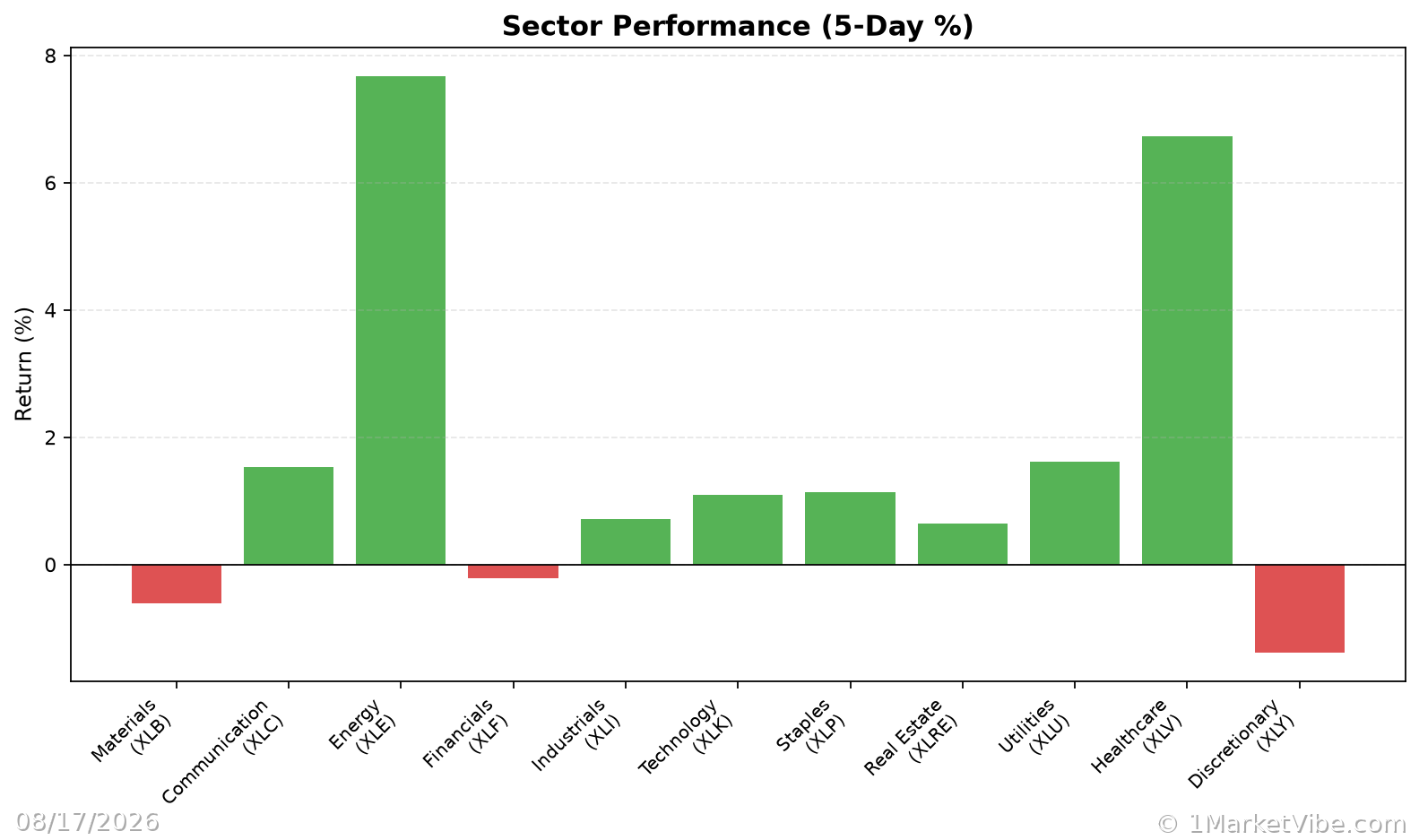
The infusion of capital into the space sector could lead to shifts in market dynamics. Increased funding may accelerate technological advancements and commercial opportunities, potentially influencing related sectors such as technology and defense. For traders, understanding these dynamics is crucial, as they can affect market breadth, volatility, and leadership trends.
Historical Context
Historically, significant investments in emerging sectors have often preceded periods of rapid growth and innovation. Harvard's investment in SpaceX can be compared to past trends where institutional funding played a pivotal role in sectors like technology and renewable energy. These investments often serve as catalysts for broader market movements, attracting additional capital and interest.
Risk Considerations
While the potential for growth in the space sector is substantial, it also comes with inherent risks. Market volatility can impact the performance of space-related investments, and traders should be mindful of these fluctuations. The Crash Warning Index (CWI), a composite measure of market risk, can provide valuable insights into the broader risk environment. Currently, the CWI reading stands at 4.83, indicating a moderate level of risk that traders should monitor closely.
Sentiment Analysis
Market sentiment towards space investments is generally positive, driven by the sector's growth potential and technological advancements. However, sentiment can be volatile, influenced by broader market conditions and geopolitical factors. The Decision Edge Dashboard offers a comprehensive view of market sentiment and risk, helping traders navigate these complexities.
Future Outlook
Looking ahead, the space sector is poised for continued growth, with institutional investors playing a crucial role in shaping its trajectory. As funding increases, we can expect further advancements and commercial opportunities, potentially leading to new market leaders. Traders should stay informed about these developments and consider how they align with their investment strategies.
Conclusion
Harvard's $2.2 billion investment in SpaceX highlights the growing market opportunity within the space sector. By understanding the implications of such investments and monitoring key metrics like the CWI and market sentiment, traders can better navigate this evolving landscape. As always, it's important to incorporate these insights into a structured investment process, emphasizing risk management and informed decision-making.
To see these breadth and risk metrics in one place each day, you can use the Decision Edge dashboard at 1marketvibe.com.
Disclaimer: This article is for informational purposes only and should not be considered financial advice. Always conduct your own research and consult with a financial advisor before making investment decisions.