

Bitcoin Valuation Concerns: Analysts Suggest $69,000 is Overpriced
- Authors

- Name
- MarketVibe Team
- @1marketvibe
Bitcoin Valuation Concerns: Analysts Suggest $69,000 is Overpriced
Bitcoin's valuation has been a topic of intense debate among traders and analysts, especially as its price has reached significant highs. The Financial Times recently suggested that Bitcoin is still about $69,000 too high, raising concerns about its current valuation. This article will explore the factors contributing to this perspective and how traders can use MarketVibe's metrics to navigate the complexities of Bitcoin's market dynamics.
Understanding Bitcoin's Market Context
Bitcoin's price movements can often seem erratic, influenced by a myriad of factors ranging from regulatory news to macroeconomic shifts. For traders, understanding these movements is crucial for making informed decisions. Bitcoin's current price level, as noted by the Financial Times, suggests potential overvaluation, which could signal a market correction.
Why Traders Should Care
Traders should be concerned with Bitcoin's valuation because it directly impacts their risk management strategies. Overvaluation can lead to sharp corrections, which can be detrimental if not anticipated. By using MarketVibe's tools, traders can gain insights into market conditions, helping them adjust their positions accordingly.
How MarketVibe Metrics Work
MarketVibe offers several metrics that can help traders understand the underlying market conditions:
- Crash Warning Index (CWI): This composite index measures risk by considering breadth, volatility, and defensive behavior. A high CWI indicates elevated risk and potential for market corrections.
- % Above 50-DMA: This breadth indicator shows the percentage of assets trading above their 50-day moving average, providing insights into trend health.
- ATR% (Average True Range Percentage): This metric measures volatility relative to price, helping traders gauge market stability.
Mechanics of Key Metrics
- CWI: Constructed from multiple dimensions such as breadth and volatility, CWI provides a holistic view of market risk. It moves based on changes in these underlying components.
- % Above 50-DMA: Calculated by dividing the number of assets above their 50-day moving average by the total number of assets in the universe. It fluctuates with market trends.
- ATR%: Calculated by dividing the average true range by the current price, this metric changes with market volatility.
Interpretation of MarketVibe Metrics
Understanding the levels and implications of these metrics can guide traders in their decision-making:
- CWI Levels: When CWI is above 6, the market is considered high-risk, suggesting caution. Conversely, a low CWI indicates a more stable environment.
- % Above 50-DMA: A low percentage suggests market weakness, while a high percentage indicates strength.
- ATR% Levels: High ATR% suggests a volatile market, while low ATR% indicates stability.
Common Combinations
- Strong Breadth + Low Volatility: Indicates a healthy, trending market.
- Weak Breadth + Rising Volatility: Signals potential market instability and risk.
Real-World Scenarios
Scenario 1: Topping Environment
Imagine a scenario where Bitcoin's price continues to rise, but the % Above 50-DMA begins to decline. This could indicate a topping environment where the broader market is weakening despite price gains. Traders might feel tempted to hold or increase positions, but a more informed view would suggest caution.
Scenario 2: Bull Market Surge
In a strong bull market, the % Above 50-DMA might surge and remain elevated, indicating robust market health. Traders could consider increasing exposure, provided their setups align with this trend.
Scenario 3: Volatility Spike
A sudden increase in ATR% could signal a volatility spike, often accompanied by a rising CWI. In such scenarios, traders should reassess their risk exposure and consider defensive strategies.
Using Insights in a Trading Process
To effectively incorporate these insights into a trading process:
- Emphasize Defense: When breadth is weak and CWI is high, focus on defensive strategies and reduce new risk.
- Add Exposure Cautiously: If breadth and leadership broaden, consider adding exposure, but ensure setups are favorable.
- Use Market Dashboard: Leverage the Market Dashboard for a high-level view, then confirm with detailed internals.
Common Misuses & Misconceptions
Traders often misuse these metrics by:
- Treating as Stand-Alone Signals: Metrics should guide risk posture, not dictate precise entry points.
- Ignoring Context: Always consider sector rotation and broader market conditions.
- Overreacting to Daily Changes: Focus on trends and sustained levels rather than day-to-day fluctuations.
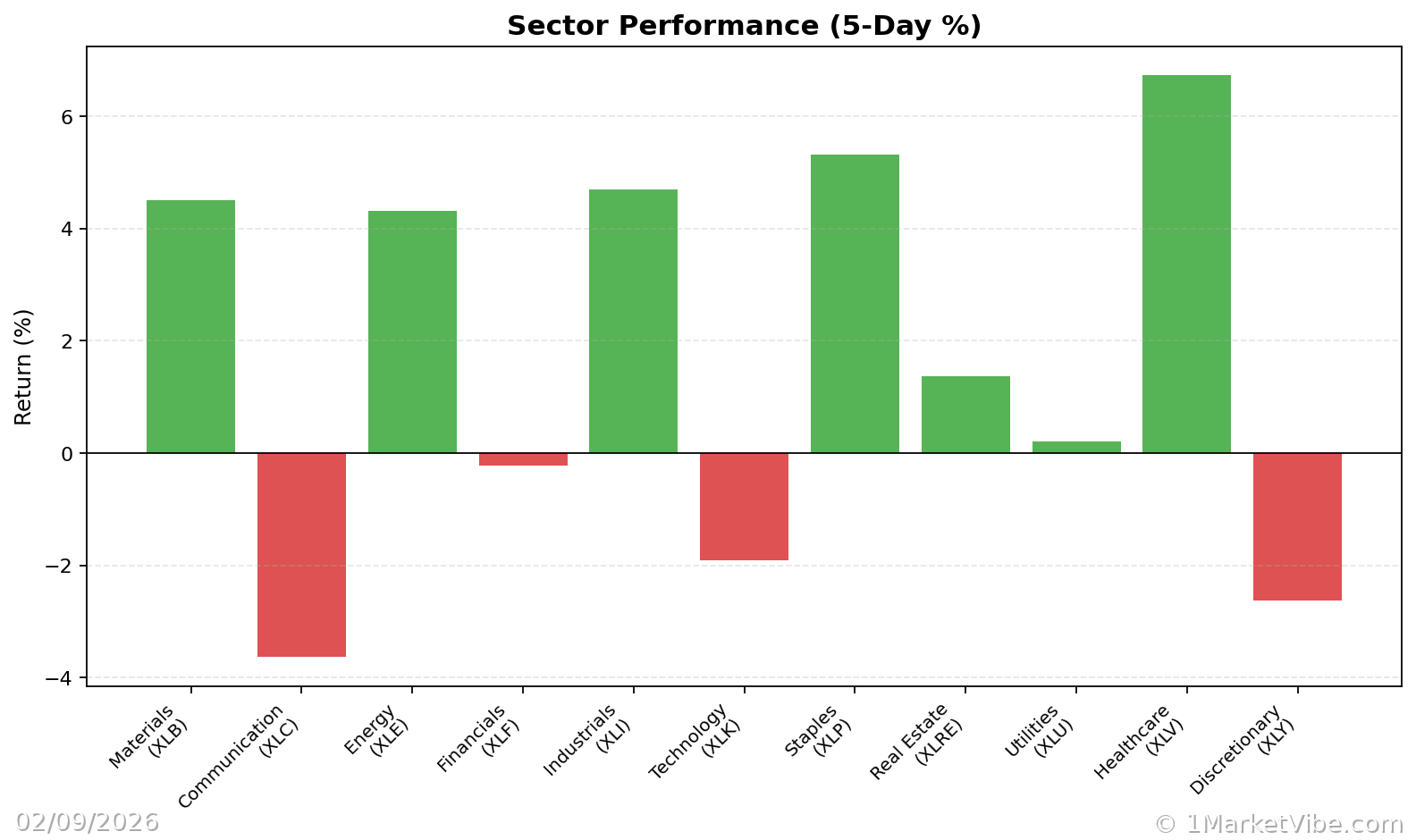
To see these breadth and risk metrics in one place each day, you can use the Decision Edge dashboard at 1marketvibe.com.
Disclaimer: This article is for educational purposes only and does not constitute financial advice. Trading involves risk, and you should consult with a financial advisor before making any investment decisions.