

AI Fuels $200 Billion Growth in US Power Sector Mergers and Acquisitions
- Authors

- Name
- MarketVibe Team
- @1marketvibe
AI Fuels $200 Billion Growth in US Power Sector Mergers and Acquisitions
Introduction
Artificial Intelligence (AI) is not just a buzzword; it's a transformative force reshaping industries across the globe. In the US power sector, AI has catalyzed a significant boom in mergers and acquisitions (M&A), with transactions totaling an impressive $200 billion. This article explores how AI is driving this growth, the implications for traders and investors, and how MarketVibe's metrics can help navigate this evolving landscape.
AI's Transformative Role
AI technologies are revolutionizing the power sector by enhancing operational efficiencies and optimizing resource management. From predictive maintenance in power plants to smart grid technologies that balance supply and demand, AI applications are numerous and impactful. For instance, AI algorithms can predict equipment failures before they occur, reducing downtime and maintenance costs. Additionally, AI-driven data analytics improve decision-making processes, leading to more strategic investments and operations.
Market Dynamics
The surge in M&A activity within the power sector is a direct response to these technological advancements. Companies are eager to acquire AI capabilities to stay competitive. Key players are leveraging AI to streamline operations, reduce costs, and enhance service delivery. This trend is evident in the increased volume and value of transactions, as companies seek to integrate AI-driven solutions into their business models.
Investment Opportunities
For investors, the AI-driven transformation of the power sector presents both opportunities and risks. Sectors such as renewable energy and smart grid technologies are particularly promising. However, investors must also be wary of the risks associated with AI-driven investments, such as technological obsolescence and regulatory challenges.
Case Studies
Several notable M&A transactions have been influenced by AI integration. For example, a major utility company recently acquired an AI startup specializing in energy efficiency solutions. This acquisition not only expanded the company's technological capabilities but also positioned it as a leader in sustainable energy solutions. Another example is a power generation firm that integrated AI to optimize its distribution network, resulting in significant cost savings and improved service reliability.
Challenges and Risks
Despite the benefits, AI adoption in the power sector is not without challenges. Regulatory hurdles can slow down the integration of AI technologies, and market volatility can impact M&A activity. Traders should be aware of these factors when considering investments in AI-driven power companies.
Future Outlook
Looking ahead, AI is expected to continue driving growth in the power sector. As AI technologies evolve, they will likely lead to further consolidation and innovation. For investors, understanding these trends and their long-term implications is crucial for making informed decisions.
Conclusion
AI's influence on the power sector is profound, driving a $200 billion M&A boom and reshaping the industry's landscape. For traders and investors, leveraging MarketVibe's metrics can provide valuable insights into market dynamics and help navigate this complex environment.
How to Use This Insight in a Process
To effectively incorporate these insights into your trading process, consider the following guidelines:
- Monitor MarketVibe's Decision Edge Dashboard: This tool provides a comprehensive view of market conditions, helping you assess the broader risk environment.
- Use the Crash Warning Index (CWI): With a current reading of 5.1, this index suggests elevated risk levels. Adjust your position sizing and risk exposure accordingly.
- Pay Attention to Breadth Indicators: Metrics like the % Above 50-DMA can signal the health of market trends. A strong breadth combined with low volatility typically indicates a favorable environment for risk-taking.
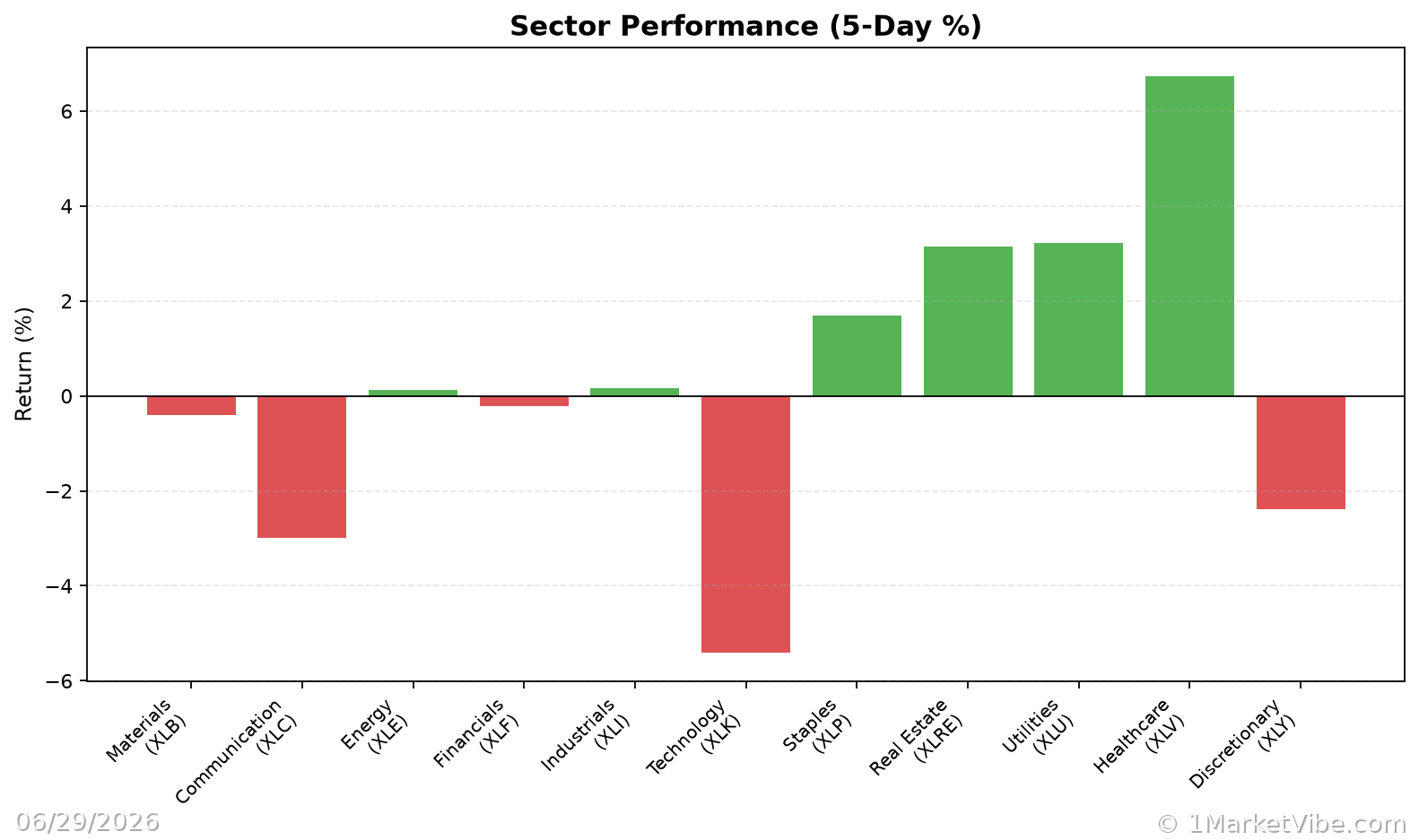
- Consider Sector Rotation: AI-driven sectors may experience shifts in leadership. Use MarketVibe's Sector Scores to identify emerging opportunities.
Common Misuses & Misconceptions
Traders often misuse market metrics by:
- Treating them as stand-alone signals: Metrics should guide your risk posture, not dictate specific trades.
- Ignoring context: Consider the broader market environment and sector-specific factors.
- Overreacting to short-term changes: Focus on sustained trends rather than daily fluctuations.
To see these breadth and risk metrics in one place each day, you can use the Decision Edge dashboard at 1marketvibe.com.
DISCLAIMER: This article is for informational purposes only and does not constitute financial advice. Market conditions can change rapidly, and past performance is not indicative of future results.