

US-Iran Tensions Fuel Oil Price Surge
April 20, 2026 – In a significant geopolitical development, escalating tensions between the United States and Iran have led to a sharp increase in global oil prices. As of today, oil prices have surged by 12%, reaching a high of $95 per barrel, marking the steepest rise since early 2023. This surge follows a series of hostile exchanges between the two nations, with the latest incident involving the interception of a U.S. naval vessel in the Strait of Hormuz on April 18.
Why It Matters
For investors, this sudden spike in oil prices underscores the fragility of global energy markets and the potential for increased volatility. The immediate impact is felt across various sectors, with energy stocks seeing a boost, while industries reliant on oil, such as transportation and manufacturing, face increased costs. The broader implications include potential inflationary pressures as higher oil prices can lead to increased costs for goods and services. Market sentiment has shifted towards caution, with investors reassessing their portfolios in light of these geopolitical risks.
Context & Background
Historically, US-Iran relations have been fraught with tension, often impacting global oil markets. The current situation escalated following the U.S.'s decision to impose additional sanctions on Iran earlier this year, aimed at curbing its nuclear program. Iran's strategic location, particularly the Strait of Hormuz, through which 20% of the world’s oil supply passes, makes any conflict in the region particularly impactful on global oil prices. The latest incident has reignited fears of potential disruptions in oil supply routes, reminiscent of past crises that have led to market instability.
Market Reactions
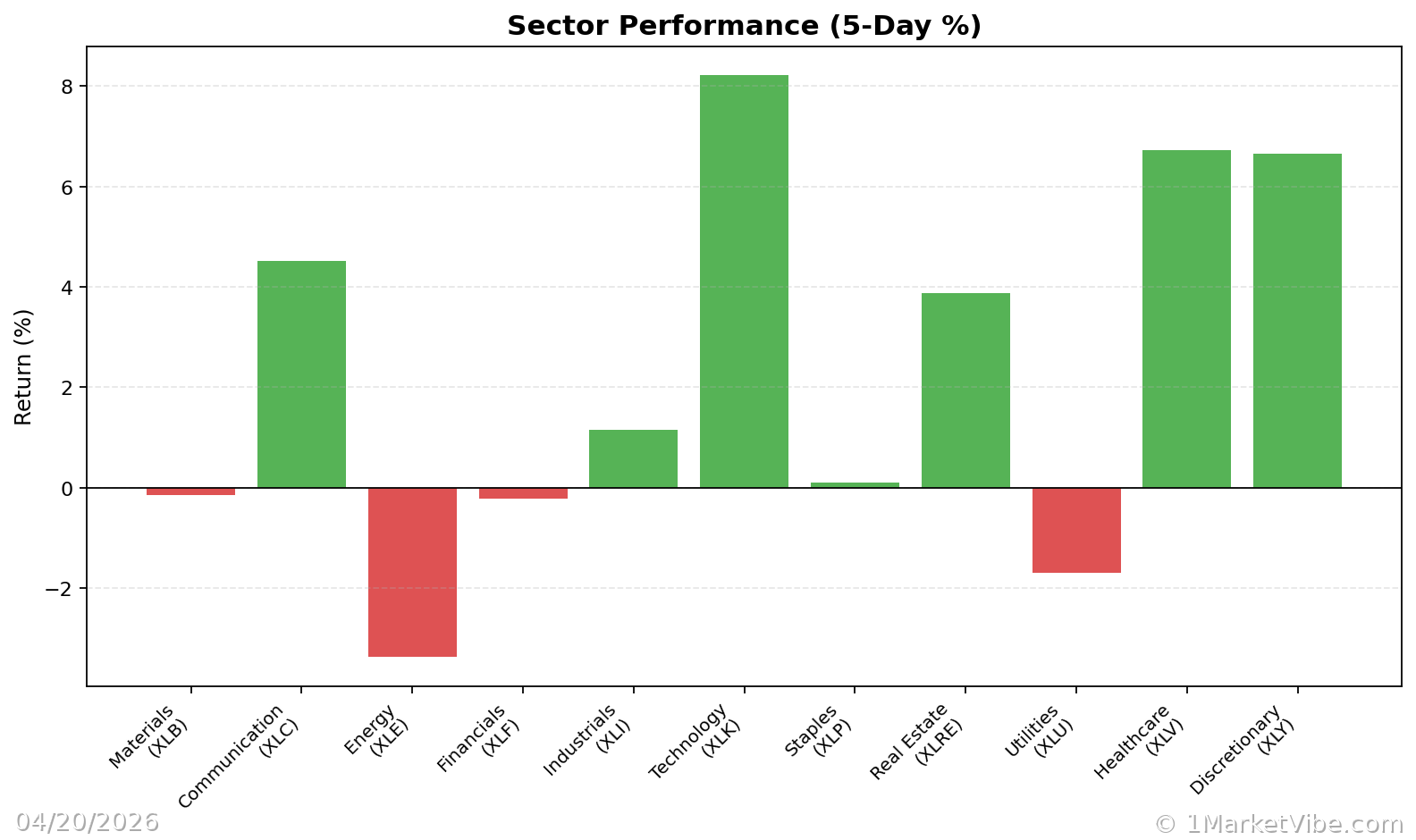
The oil market's reaction has been swift, with prices climbing as traders anticipate potential supply disruptions. Energy stocks have rallied, while sectors heavily dependent on oil are bracing for increased costs. Investor sentiment, as tracked by MarketVibe's CW Index, has shown a notable shift, with the index ticking up to 3.9, indicating heightened market risk. This development aligns with the CW Index's early warning signals, which suggested potential volatility in the wake of geopolitical tensions.
Refinery Dependencies
The U.S. remains heavily reliant on imported oil, with 40% of its refinery oil sourced from abroad. The Strait of Hormuz's role as a critical chokepoint for global oil supply cannot be overstated. Any prolonged disruption in this region could lead to significant supply chain challenges, further exacerbating price volatility and impacting global economic stability.
Economic Implications
The potential risks of an economic downturn loom large as rising oil prices could trigger inflationary pressures, impacting consumer spending and business operations. Long-term effects on the oil markets include possible shifts in supply chains and increased investments in alternative energy sources. Investors are advised to monitor these developments closely, as prolonged tensions could lead to sustained market volatility.
Market Predictions
Looking ahead, the market will be closely watching diplomatic efforts to de-escalate tensions. Short-term forecasts suggest continued volatility, with oil prices potentially stabilizing if diplomatic resolutions are reached. However, any further escalation could see prices climb even higher. Investors should remain vigilant, considering hedging strategies and adjusting risk exposure in affected sectors.
Conclusion
In summary, the US-Iran tensions have injected significant uncertainty into the oil markets, prompting investors to reassess their strategies. As the situation develops, staying informed and agile will be crucial.
Monitor risk signals as this story develops at 1marketvibe.com.
Disclaimer: This article is for informational purposes only and does not constitute financial advice. Please consult with a financial advisor for personalized guidance.
Sources:
- Jalopnik: "If We Net Export Oil, Why Are Gas Prices Going Up?"
- MarketVibe Data
- Historical US-Iran Relations Analysis
Charts