

Monitor Oil Investments as Iran's Hormuz Opening Eases Tensions
- Authors

- Name
- MarketVibe Team
- @1marketvibe
Iran Opens Hormuz, Oil Prices Plunge: What Investors Need to Know
In a significant geopolitical development, Iran has reopened the Strait of Hormuz, a critical chokepoint for global oil shipments, as of April 17, 2026. This move comes after months of heightened tensions in the region, which had previously led to restricted passage and elevated oil prices. The reopening has already resulted in a notable decline in oil prices, with Brent crude falling by 7% to $68 per barrel.
Why It Matters
For investors, the immediate impact of Iran's decision is a reduction in oil market volatility. The Strait of Hormuz is a vital artery for the global oil supply, with approximately 20% of the world's oil passing through it. The easing of tensions is expected to stabilize supply chains and reduce the geopolitical risk premium that has been inflating oil prices. This development could lead to a reassessment of oil-related investments, as the market sentiment shifts from caution to cautious optimism.
Context & Background
Historically, the Strait of Hormuz has been a flashpoint in U.S.-Iran relations, with past conflicts often leading to significant fluctuations in oil prices. The recent tensions were exacerbated by military confrontations and sanctions, which disrupted the flow of oil and heightened market anxieties. Iran's decision to reopen the strait signals a potential thaw in these hostilities, possibly influenced by diplomatic efforts from global powers seeking stability in oil markets.
Key stakeholders affected by this development include oil-exporting countries, multinational oil companies, and investors with significant exposure to the energy sector. The reopening could lead to increased oil exports from the Middle East, impacting global supply dynamics and potentially leading to shifts in investment strategies.
What's Next
Investors should closely monitor the situation as it unfolds. Key events to watch include:
- OPEC meetings: Any changes in production quotas could further influence oil prices.
- U.S.-Iran diplomatic talks: Progress in negotiations could solidify the current easing of tensions.
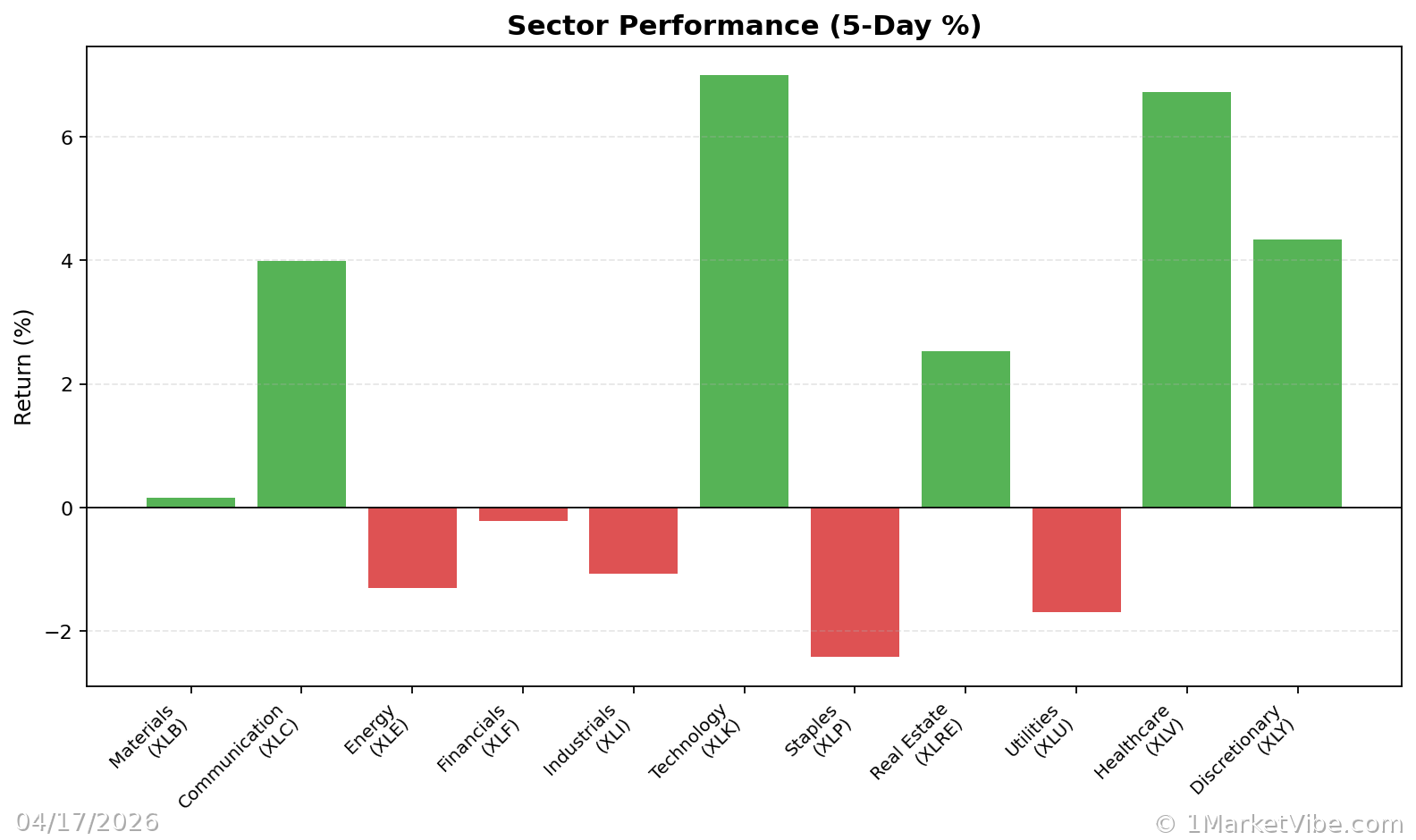
- Market reactions: Continued monitoring of oil price movements and stock performances in the energy sector is crucial.
MarketVibe's CW Index, which provides early risk signals, has remained stable at 5.0, indicating a neutral risk environment. This suggests that while the immediate threat has subsided, investors should remain vigilant for any sudden geopolitical shifts.
Conclusion
The reopening of the Strait of Hormuz is a pivotal moment for the oil market, offering a reprieve from recent volatility. For investors, this means a potential recalibration of risk and opportunity in oil investments. As the situation develops, staying informed and agile will be key to navigating the evolving landscape.
Monitor risk signals as this story develops at 1marketvibe.com.
Disclaimer: This article is for informational purposes only and does not constitute financial advice.
Sources:
- Yahoo Finance
- Axios
- The Free Press