

Surge in 10-Year Treasury Yields Signals Investor Caution Amid Market Volatility
- Authors

- Name
- MarketVibe Team
- @1marketvibe
Surge in 10-Year Treasury Yields Signals Investor Caution Amid Market Volatility
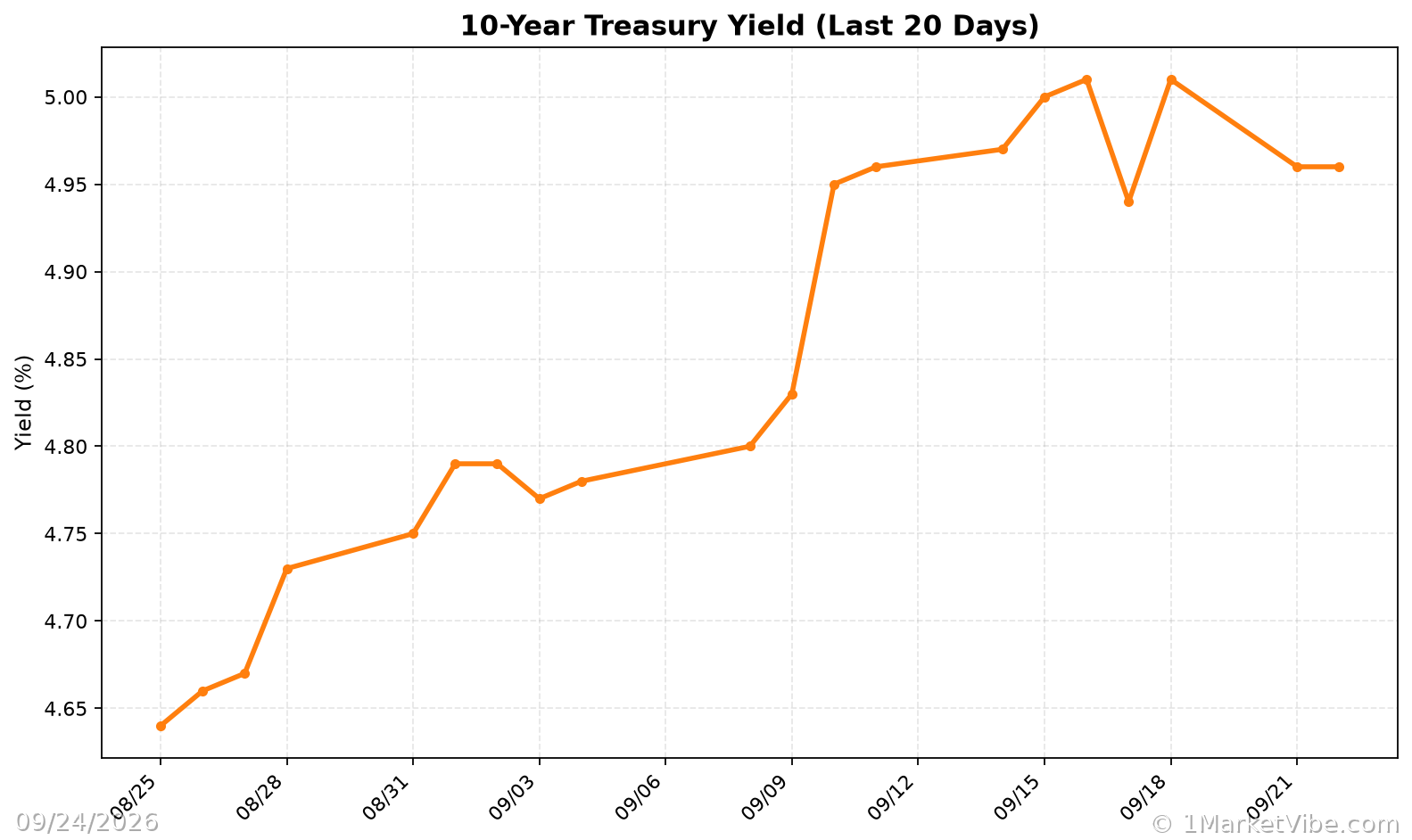
Breaking News: On September 24, 2026, the yield on the 10-year U.S. Treasury note surged to 4.9%, marking its highest level since 2007. This spike comes amid a backdrop of rising oil prices and a retreat in U.S. equities, signaling heightened caution among investors navigating the current market volatility.
Why It Matters
The immediate impact of rising Treasury yields is a notable shift in investor sentiment, as higher yields typically lead to increased borrowing costs and can dampen economic growth. For investors, this means a potential reevaluation of risk, as the bond market's volatility could signal elevated risks across various asset classes. The broader implications include potential pressure on equity markets, as seen with the Dow dropping 125 points and declines in both the S&P 500 and Nasdaq.
Context & Background
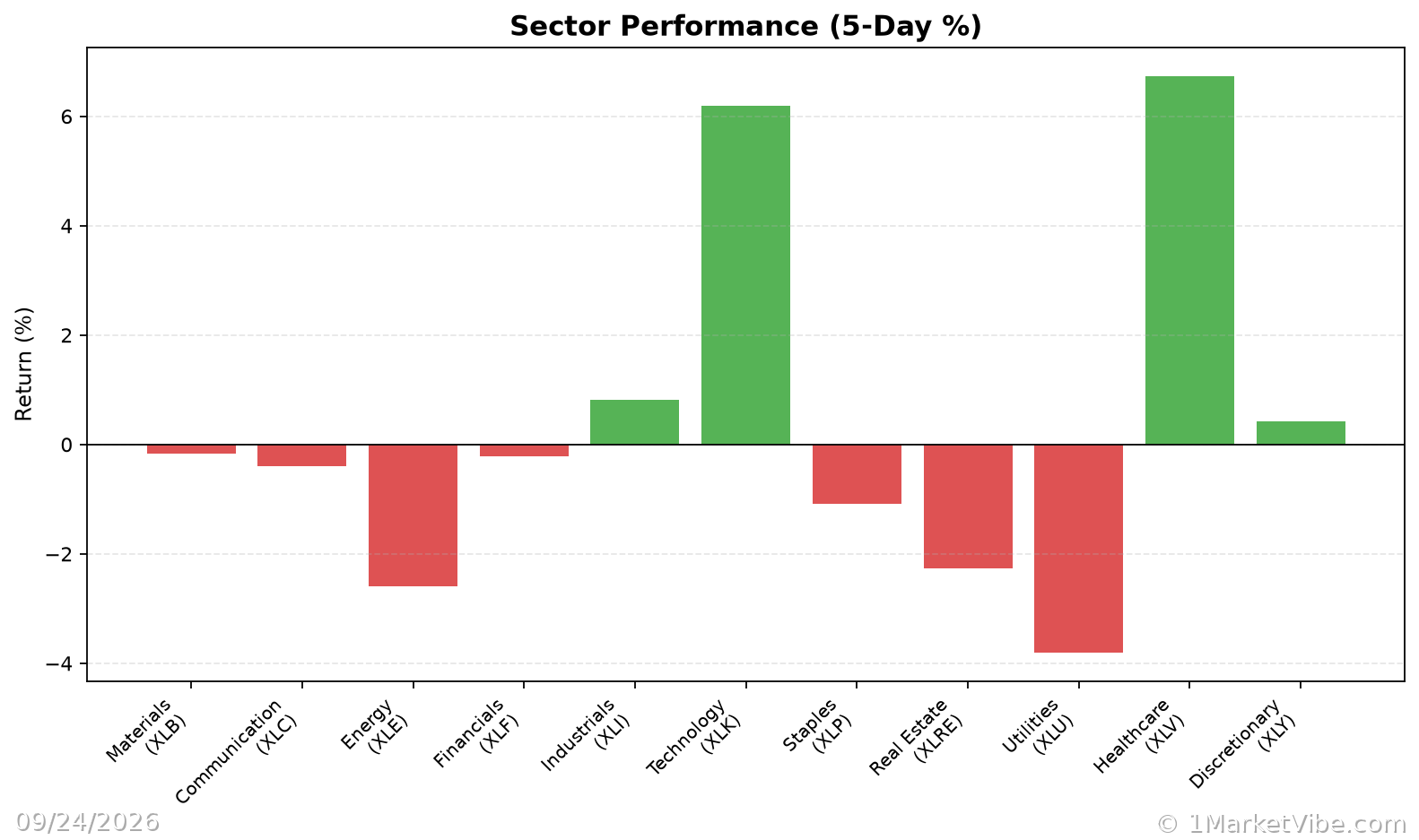
Historically, surges in Treasury yields have often preceded periods of market turbulence. The current rise is driven by a combination of factors, including inflationary pressures and expectations of continued monetary tightening by the Federal Reserve. Key stakeholders affected include fixed-income investors, who may face losses on existing bond holdings, and sectors sensitive to interest rates, such as real estate and utilities.
What's Next
Investors should closely monitor upcoming Federal Reserve meetings and economic data releases, which could further influence yield movements. The timeline for potential stabilization remains uncertain, but key events to watch include the next Fed policy announcement and inflation reports. Potential scenarios range from a continued rise in yields, which could exacerbate market volatility, to a stabilization if economic indicators suggest easing inflationary pressures.
CW Index Insights
MarketVibe's CW Index, which currently reads 6.7, aligns with the elevated risk environment. This reading suggests that the recent trends in Treasury yields were anticipated, providing investors with an early warning of potential market shifts.
Sector Impacts
- Winners: Financial institutions may benefit from higher yields through improved interest margins.
- Losers: Sectors like real estate and utilities could face headwinds due to increased borrowing costs.
- Fixed-Income Strategies: Investors may consider adjusting their portfolios to mitigate interest rate risk, potentially exploring shorter-duration bonds or inflation-protected securities.
Strategic Considerations
For investors, navigating the current market environment requires a keen focus on risk assessment. It's crucial to evaluate portfolio exposure to interest rate-sensitive assets and consider hedging strategies if the CW Index continues to signal elevated risks. Maintaining a diversified portfolio and staying informed about macroeconomic developments will be key in managing potential volatility.
Conclusion
The surge in 10-year Treasury yields underscores the need for investor vigilance amid ongoing market volatility. As the landscape evolves, staying informed and adaptable will be essential for navigating the complexities of the current economic environment.
Monitor risk signals as this story develops at 1marketvibe.com.
Disclaimer: This article is for informational purposes only and does not constitute financial advice. Please consult with a financial advisor for personalized guidance.
Sources:
- MarketWatch: Stock Market Today: Dow off 125 points, S&P 500 and Nasdaq fall as 10-year Treasury yield surges to highest since 2007 and oil prices rise
- Barron's: Palantir Could Be a Major Winner as Air Traffic Control Goes AI. The Stock Rises.