
Fed Hike Expectations Drive Surge in Treasury Yields and Market Volatility
- Authors

- Name
- MarketVibe Team
- @1marketvibe
Fed Hike Expectations Drive Surge in Treasury Yields and Market Volatility
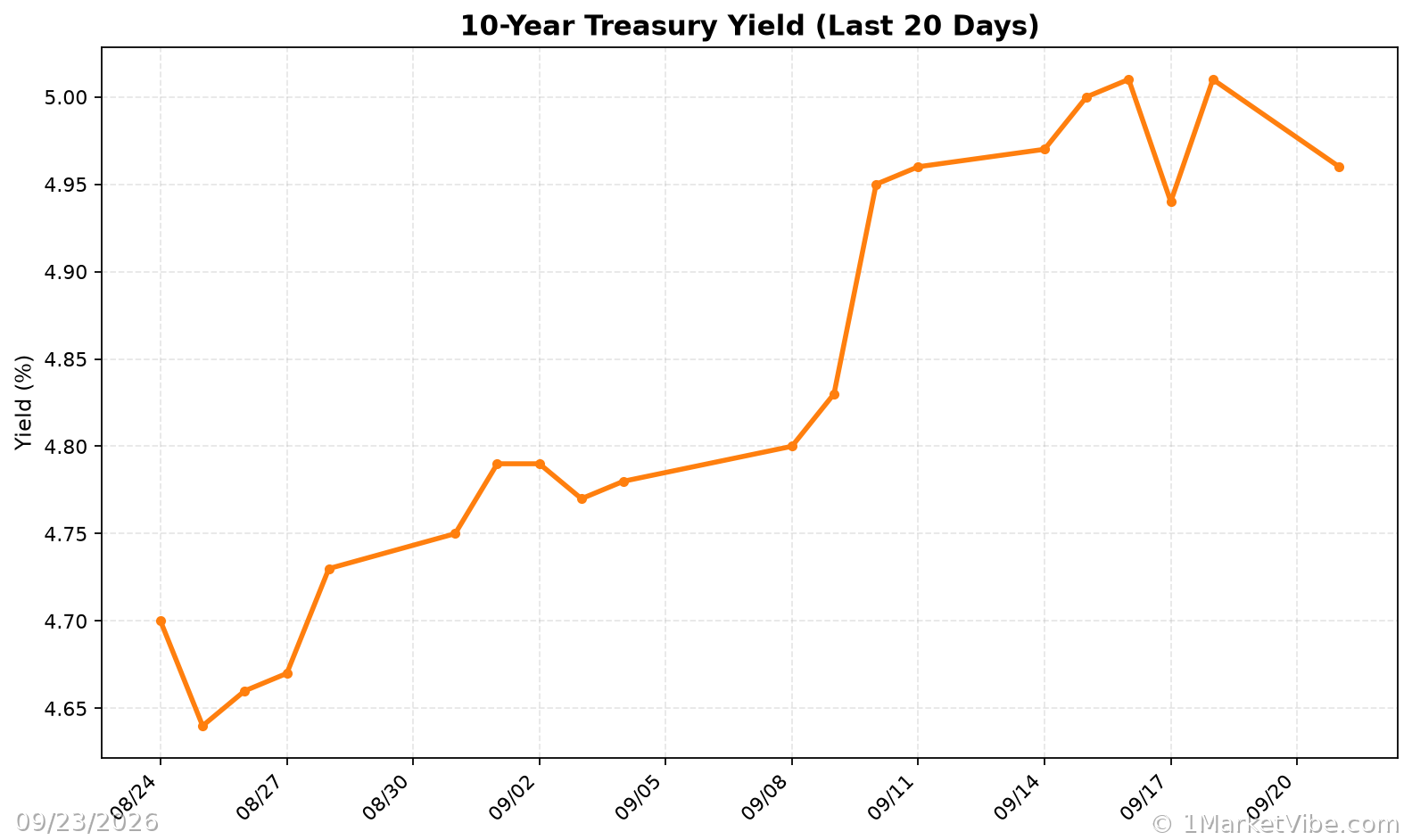
September 23, 2026 – In a dramatic shift, U.S. Treasury yields surged to 4.75%, the highest level in over a decade, as expectations for further interest rate hikes by the Federal Reserve intensified. This spike, observed on Monday, sent ripples through financial markets, causing heightened volatility across equities and bonds. The yield on the 10-year Treasury note, a key benchmark for global borrowing costs, has now risen by more than 50 basis points in just the past month.
Why It Matters
For investors, this means navigating a landscape of increased uncertainty and potential risk. The immediate impact is a sell-off in bond markets, as higher yields make existing bonds less attractive. Equity markets are also feeling the pressure, with major indices like the S&P 500 and Dow Jones Industrial Average experiencing sharp declines. This volatility underscores the market's sensitivity to Federal Reserve policy signals, particularly as the central bank grapples with persistent inflationary pressures.
Context & Background
Historically, rising Treasury yields have often preceded periods of economic tightening, as they reflect investor expectations of higher interest rates. The current surge is reminiscent of the 2013 "Taper Tantrum," when yields spiked following hints of reduced Federal Reserve asset purchases. This time, the catalyst is the Fed's ongoing battle against inflation, with Chair Jerome Powell indicating that further rate hikes may be necessary to achieve the central bank's 2% inflation target.
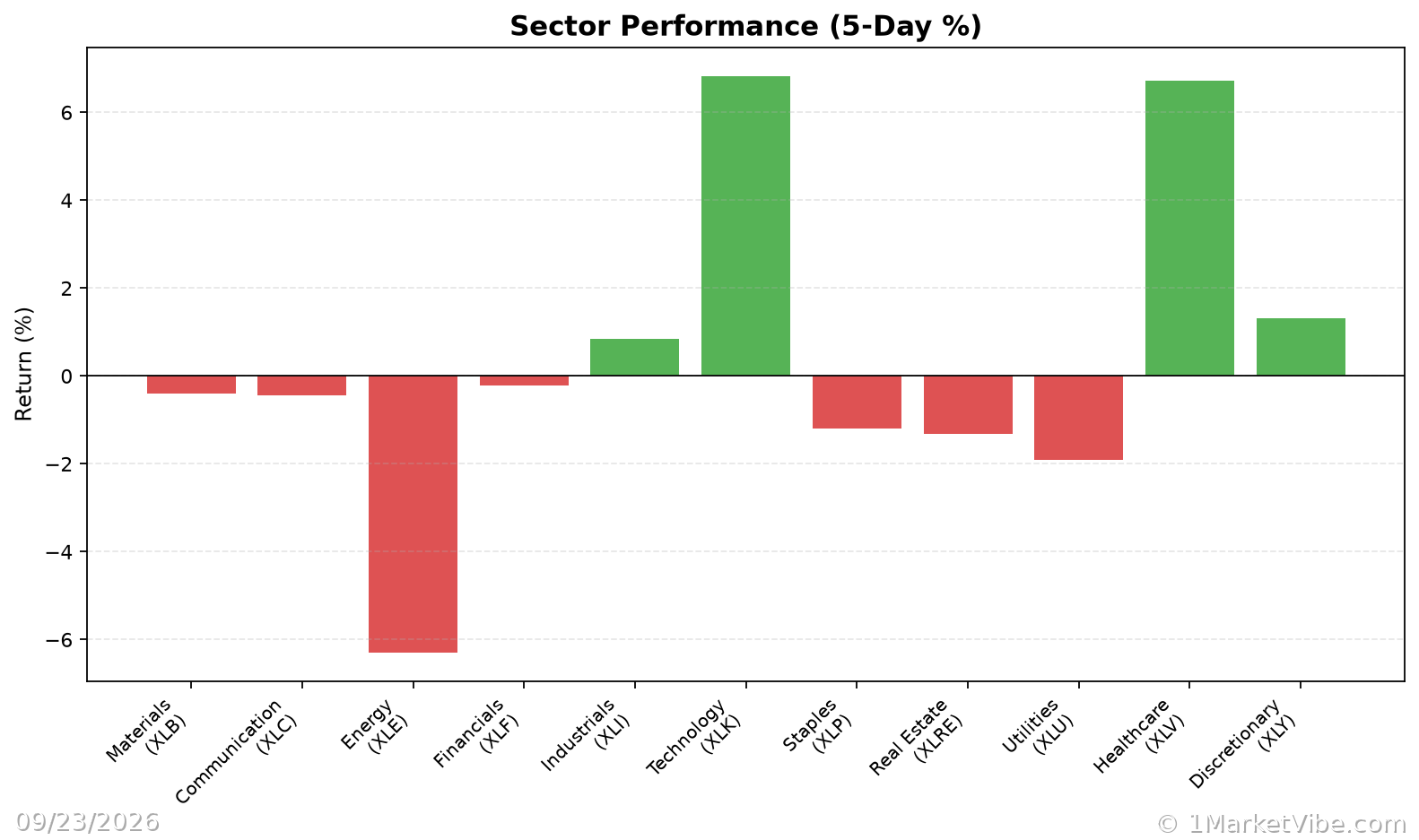
Key stakeholders affected include bond investors, who face potential losses as bond prices fall, and companies with high debt levels, which may see increased borrowing costs. Additionally, sectors like real estate and utilities, which are sensitive to interest rate changes, could experience heightened volatility.
What's Next
Investors should watch for the Federal Reserve's upcoming meeting on October 18, where further guidance on interest rate policy is expected. Key economic indicators, such as the Consumer Price Index (CPI) and employment data, will also play a crucial role in shaping market expectations. Potential scenarios include continued volatility if inflation remains stubbornly high, or a stabilization of yields if the Fed signals a pause in rate hikes.
MarketVibe's CW Index, which provides early risk signals, ticked up to 6.5 following the recent yield surge, indicating increased market caution. Investors are advised to monitor position sizing and consider hedging strategies as this story develops.
Track how markets respond in real-time at 1marketvibe.com.
Disclaimer: This article is for informational purposes only and does not constitute financial advice. Always consult with a financial advisor before making investment decisions.
Sources
Charts