

Stock Futures' Unexpected Recovery Explained
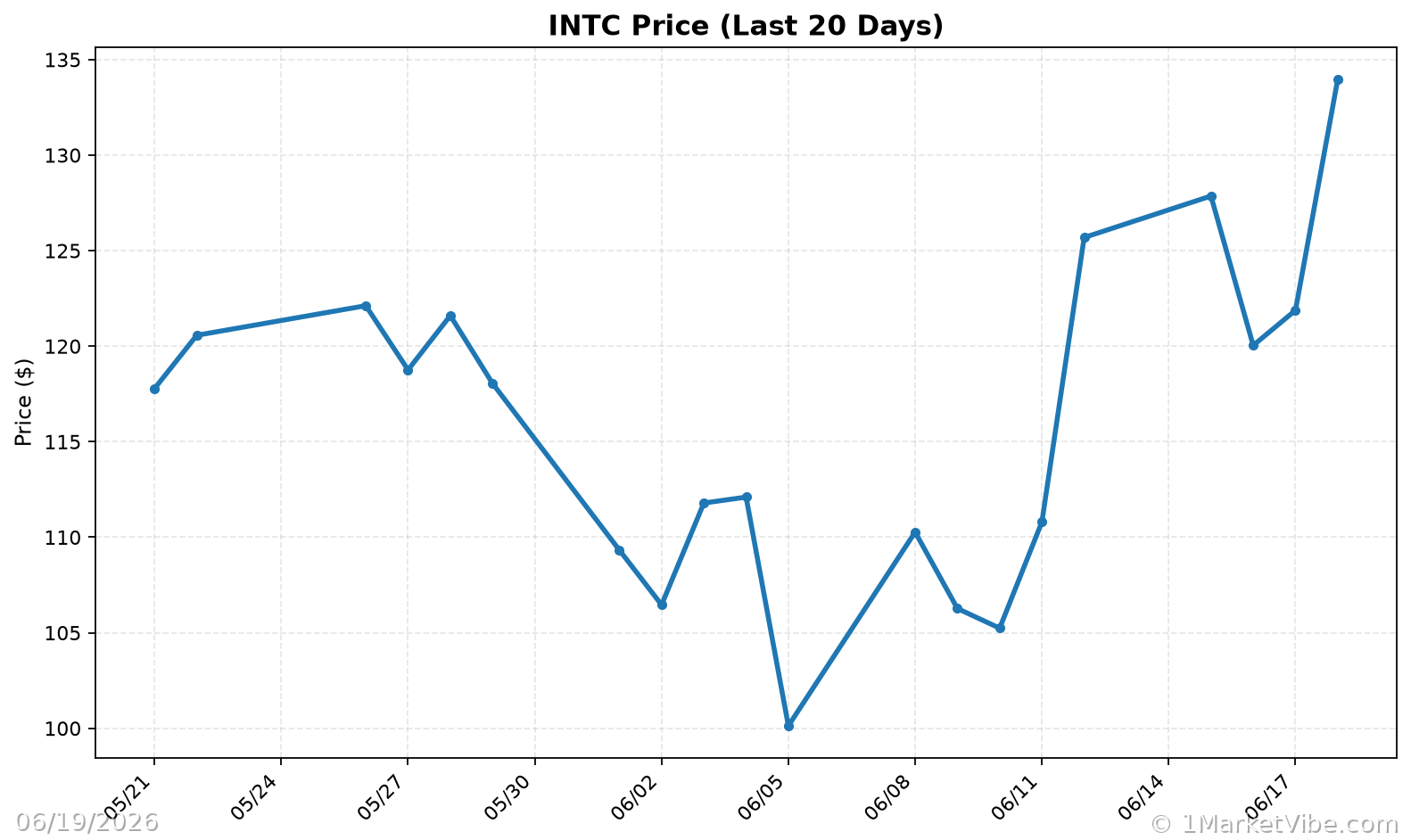
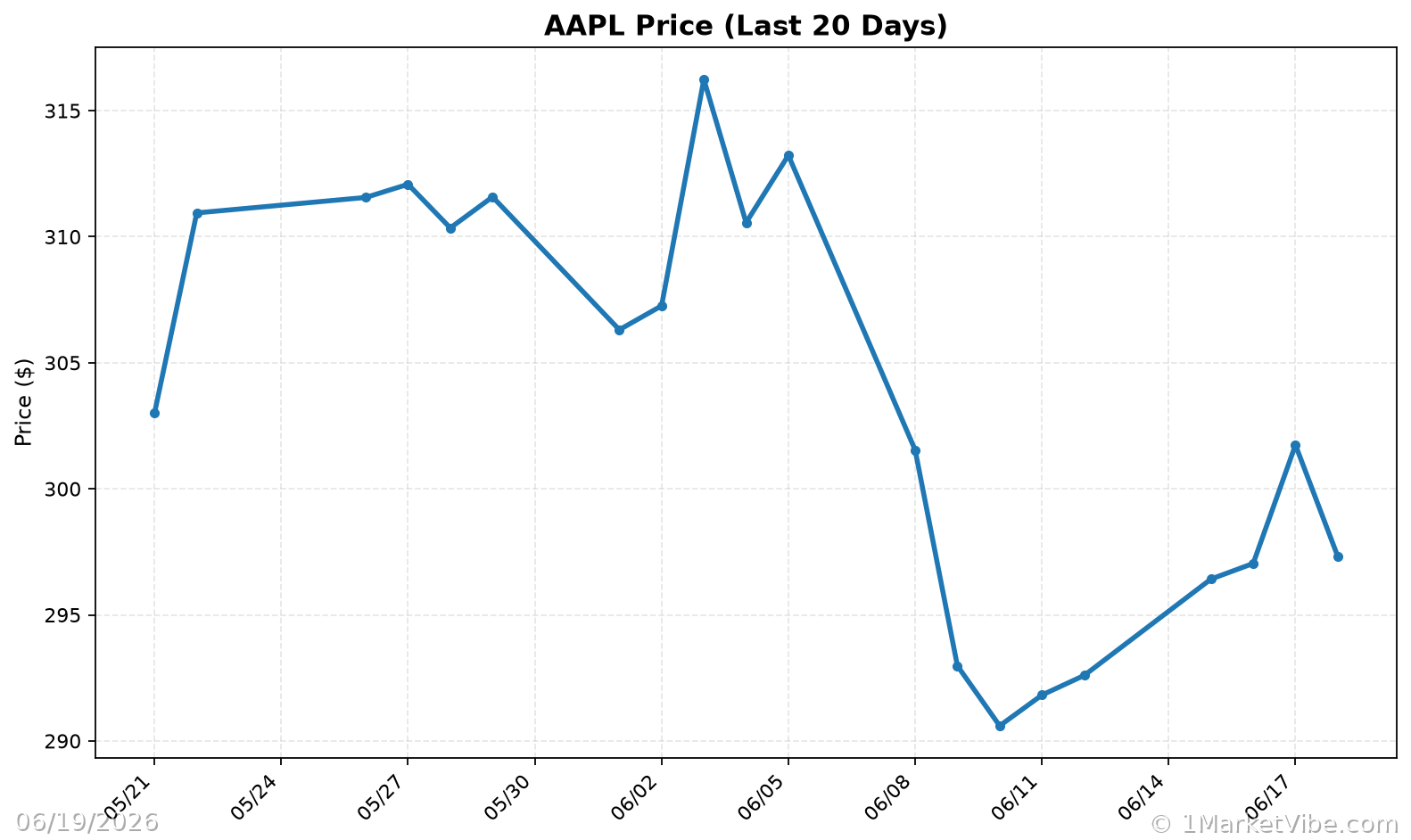
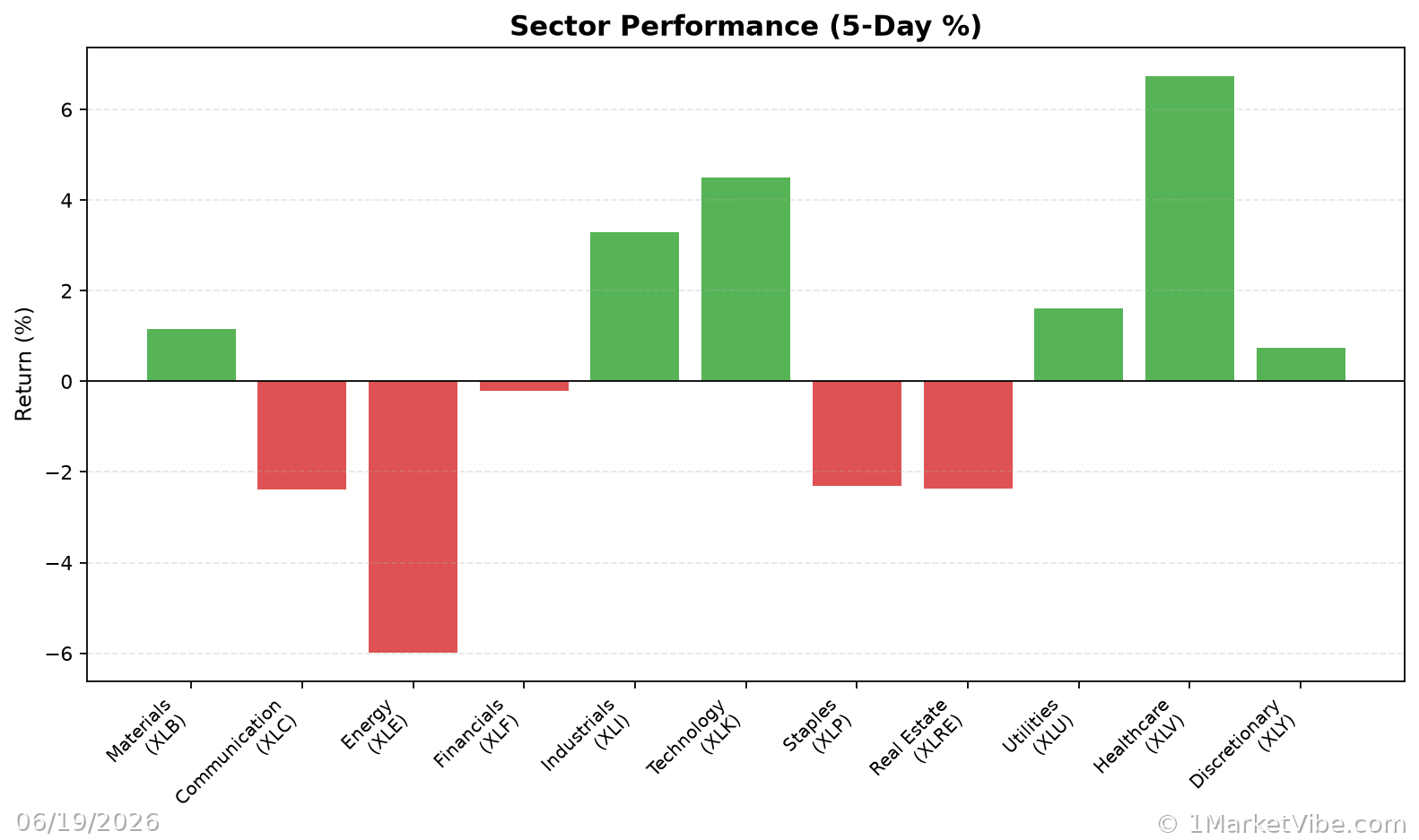
Breaking News: June 19, 2026 - In a surprising turn of events, U.S. stock futures have rebounded significantly following a sharp sell-off triggered by the Federal Reserve's recent monetary policy signals. On Thursday, the S&P 500 rose by 1.08%, closing at 7,500.58, while the Nasdaq Composite surged 1.91% to 26,517.93. The Dow Jones Industrial Average also saw an uptick, adding 72.15 points to end at 51,564.70. This recovery was largely driven by gains in the semiconductor sector, with Intel leading the charge after announcing a strategic partnership with Apple.
Why It Matters
This unexpected recovery in stock futures is pivotal for investors as it signals a potential stabilization following the Fed's hawkish tone, which initially spooked the markets. The rebound suggests that investor sentiment is cautiously optimistic, buoyed by strong corporate earnings and positive economic indicators such as robust retail sales and a better-than-expected jobs report. However, the market remains on edge due to the Fed's indication of possible interest rate hikes later this year, which could impact borrowing costs and economic growth.
Context & Background
The market's recent volatility was sparked by the Federal Reserve's first meeting under new Chairman Kevin Warsh, where a hawkish stance on monetary policy was revealed. The Fed's "dot plot" indicated that half of its officials foresee rate increases in 2026, contributing to the initial sell-off. Intel's announcement of a partnership with Apple to design chips domestically provided a significant boost to the tech sector, highlighting the growing importance of artificial intelligence in driving corporate collaborations and market optimism.
Historically, such rebounds have occurred when underlying economic data supports market resilience, even amid policy uncertainties. The CW Index, which provides early risk signals, ticked up to 5.3, reflecting a cautious but not overly pessimistic market outlook.
What's Next
Investors should closely monitor upcoming Federal Reserve communications and economic data releases, which could further influence market directions. Key events to watch include the next Fed meeting and quarterly earnings reports from major corporations. Potential scenarios range from continued recovery if economic indicators remain strong, to renewed volatility if the Fed signals more aggressive rate hikes.
For investors, this means staying informed and agile. Adjusting portfolio strategies in response to evolving market conditions and leveraging tools like the CW Index for early risk signals can be crucial in navigating these uncertain times.
Track how markets respond in real-time at 1marketvibe.com.
Disclaimer: This article is for informational purposes only and does not constitute financial advice.
Sources:
Charts