
Impact of Warsh's Rate Hike Warning on AI Investment Landscape
- Authors

- Name
- MarketVibe Team
- @1marketvibe
Impact of Warsh's Rate Hike Warning on AI Investment Landscape
Breaking News: Fed Chair Kevin Warsh's recent warning about potential interest rate hikes has sent ripples through the tech sector, particularly impacting AI investments. On June 22, 2026, Warsh's hawkish stance was made clear, signaling a possible shift in monetary policy that could see interest rates rise to combat inflation. This announcement has created immediate concerns for AI companies heavily reliant on debt financing.
Why It Matters
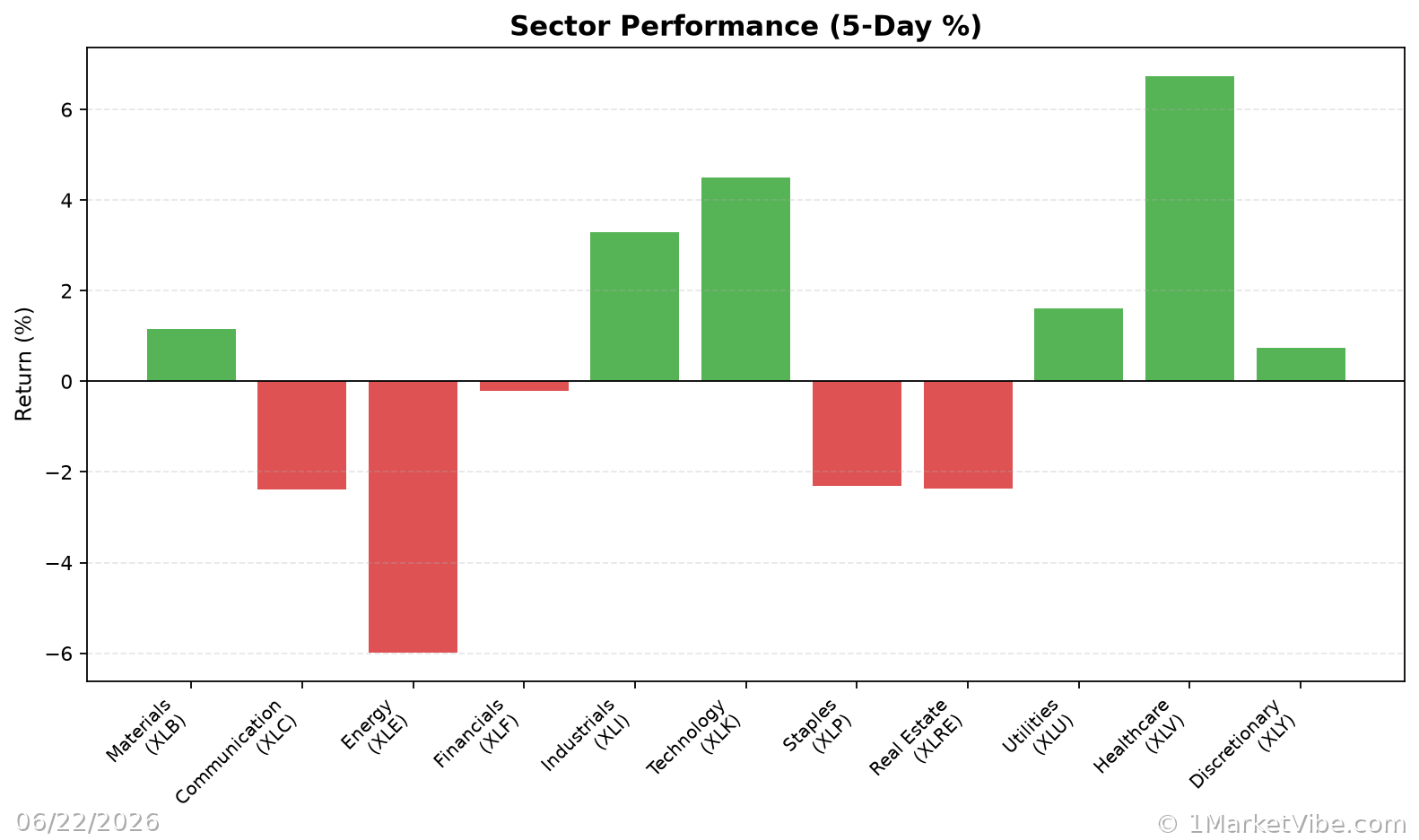
The immediate market reaction has been one of caution, with tech stocks experiencing volatility. AI-related companies, which have issued approximately $140 billion in investment-grade bonds this year, are particularly vulnerable. The potential increase in borrowing costs could significantly impact their aggressive expansion plans. For investors, this means a reassessment of risk exposure in tech-heavy portfolios may be necessary. The broader implications suggest a tightening of financial conditions that could dampen the current AI investment boom.
Context & Background
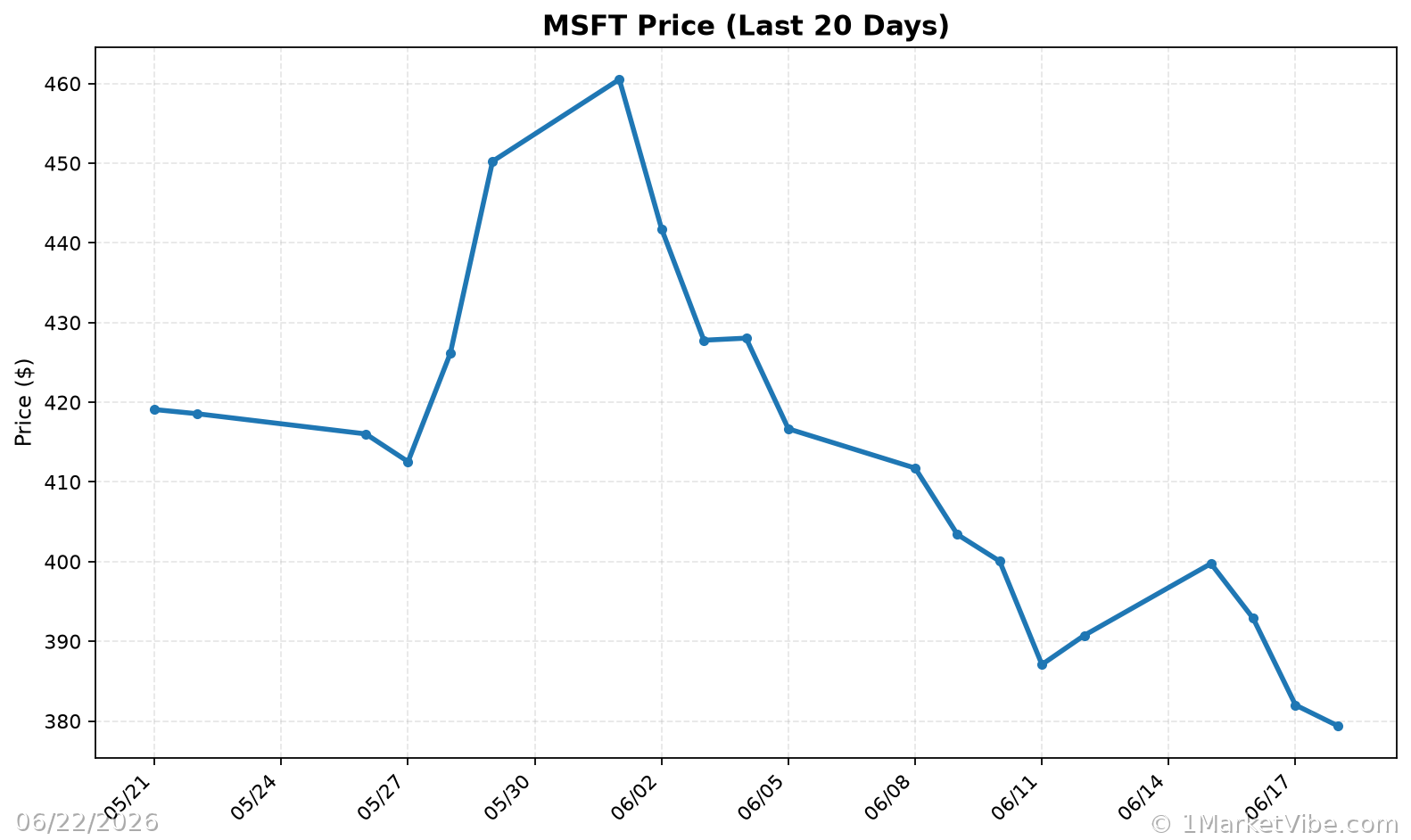
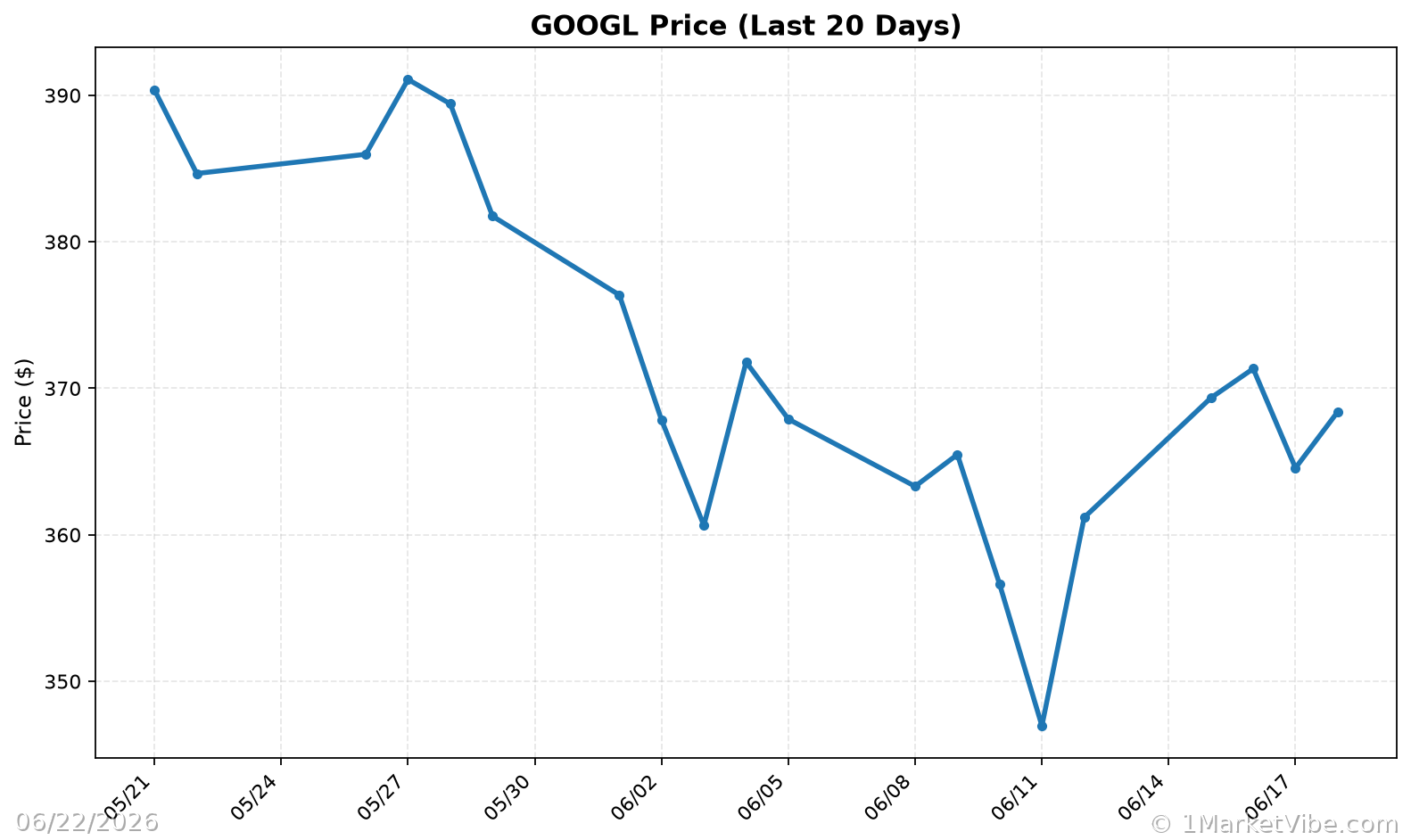
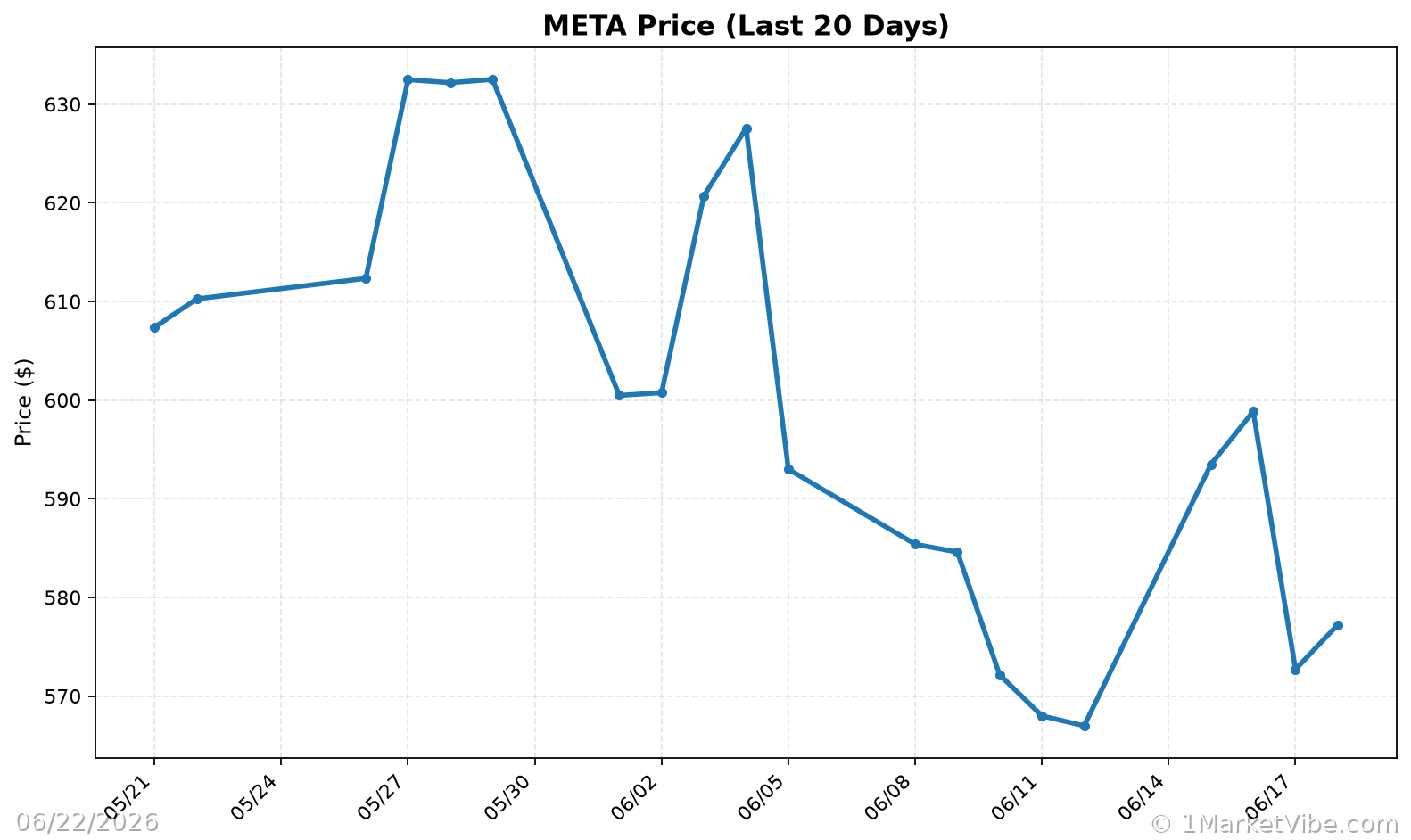
Historically, shifts in Fed policy have had profound impacts on tech sectors. Under former Fed Chair Jerome Powell, low interest rates fueled a surge in tech investments. However, Warsh's approach marks a departure, as he aims to review and potentially overhaul existing Fed practices. This change comes as AI giants like Alphabet, Amazon, Microsoft, and Meta plan to allocate a staggering $725 billion to capital expenditures in 2026, a 77% increase from last year. The reliance on debt to fund these expansions could become a liability if borrowing costs rise.
Impact on AI Sector
For AI companies, Warsh's policy shift presents significant challenges. The sector's reliance on debt financing means that higher interest rates could lead to increased financial strain. Companies like Meta, which have seen their total debt rise from $36 billion in 2023 to $84 billion in the first quarter of 2026, may face difficult decisions regarding capital allocation and growth strategies. The potential for rate hikes raises the risk of higher costs, which could slow down the pace of AI innovation and adoption.
Historical Context
Comparisons can be drawn to past Fed policy shifts, such as those in the early 2000s, which led to a cooling of tech investments. Lessons from these periods highlight the importance of adaptable financial strategies and the need for companies to manage debt prudently. The current situation underscores the cyclical nature of economic policies and their impact on tech-driven markets.
Market Sentiment
Market sentiment has shifted towards caution, with investors closely monitoring Fed announcements for further guidance. The potential for increased borrowing costs has led to a reevaluation of tech sector valuations. MarketVibe's CW Index, which currently reads 5.3, reflects this cautious sentiment, indicating a moderate risk environment. Investors are advised to remain vigilant and consider hedging strategies to mitigate potential risks.
Broader Economic Implications
Beyond the tech sector, Warsh's policy changes could have ripple effects across the broader economy. Sectors reliant on low borrowing costs may experience similar pressures, leading to a potential slowdown in economic growth. Investors should consider the interconnectedness of these sectors and adjust their portfolios accordingly.
Conclusion
In summary, Fed Chair Kevin Warsh's rate hike warning has introduced a new layer of complexity to the AI investment landscape. As the sector grapples with potential financial headwinds, investors must stay informed and agile. Monitor risk signals as this story develops at 1marketvibe.com.
Disclaimer: This article is for informational purposes only and does not constitute financial advice.
Charts