
Market Strategies in Response to the Iran Conflict and US Trade Probe
- Authors

- Name
- MarketVibe Team
- @1marketvibe
Market Strategies in Response to the Iran Conflict and US Trade Probe
Breaking News: Immediate Impact
March 27, 2026 – Global markets are reeling as geopolitical tensions escalate with the ongoing conflict between the United States and Iran, coupled with a new U.S. trade probe targeting Chinese tech imports. Stock futures have plummeted, with the S&P 500 dropping by 2.3% in pre-market trading. The conflict, which intensified over the weekend, has already disrupted oil supply chains, sending crude prices soaring by 15% to over $110 per barrel.
Why It Matters
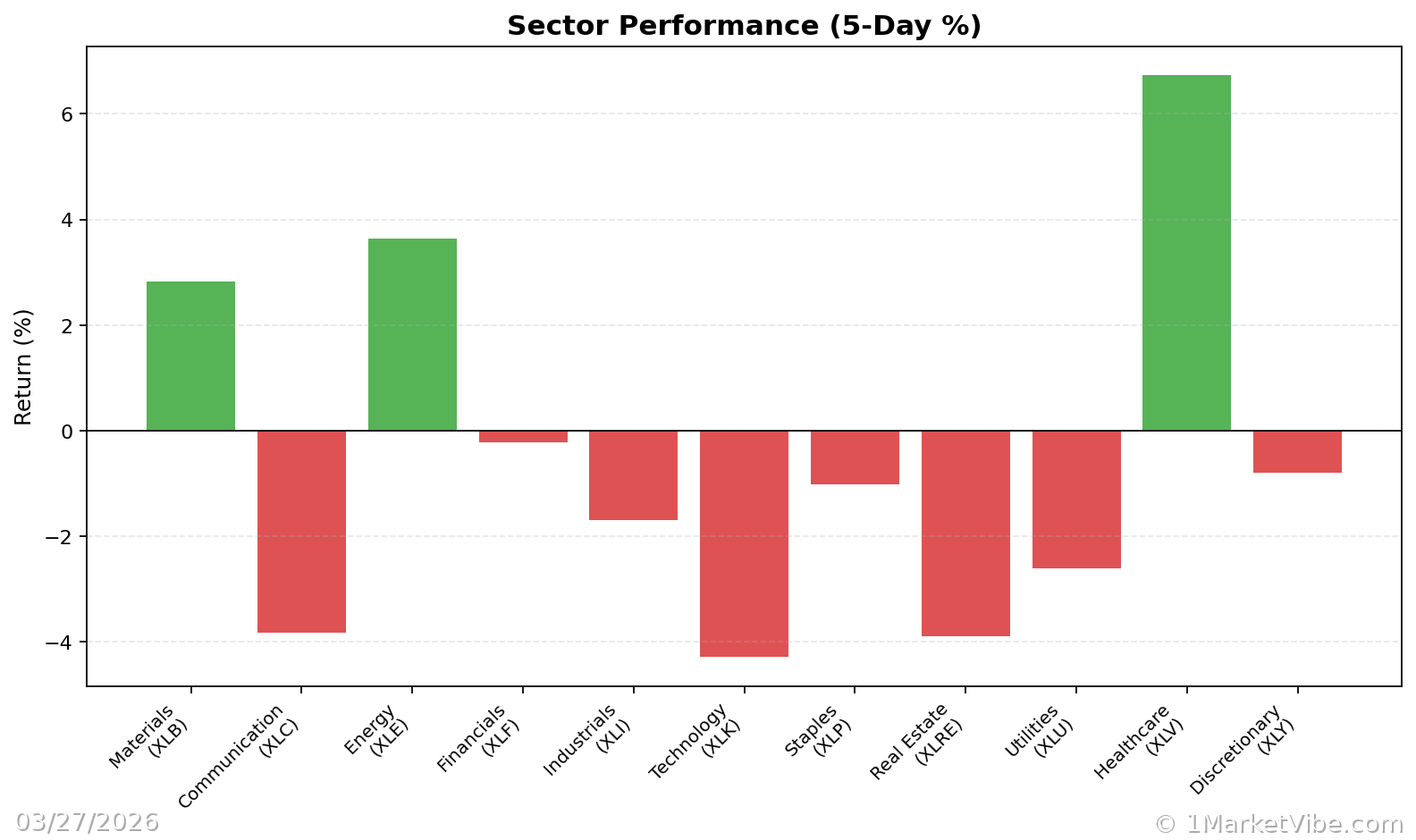
For investors, these developments signal heightened market volatility and increased risk exposure across multiple sectors. The immediate impact is felt most acutely in energy and technology stocks, where uncertainty is driving rapid sell-offs. The dual threat of geopolitical instability and trade tensions is creating a perfect storm that could undermine market confidence and economic growth prospects. MarketVibe's CW Index, which tracks risk sentiment, has ticked up to 7.5, reflecting the elevated risk environment.
Context & Background
Historically, conflicts involving major oil-producing nations like Iran have led to significant market disruptions. The current situation echoes past crises, such as the 1979 Iranian Revolution, which saw oil prices quadruple. This time, the stakes are compounded by the U.S. trade probe, which seeks to address alleged unfair practices by Chinese tech firms. The probe could lead to tariffs or sanctions, further straining global supply chains and impacting tech giants reliant on Chinese components.
Impact of U.S.-Iran Conflict
- Energy Sector: Oil prices are surging, benefiting producers but squeezing margins for industries reliant on fuel.
- Defense Stocks: Companies in the defense sector are seeing a boost as military tensions rise.
- Consumer Sentiment: Rising energy costs could dampen consumer spending, affecting retail and travel sectors.
Trade Probe Effects
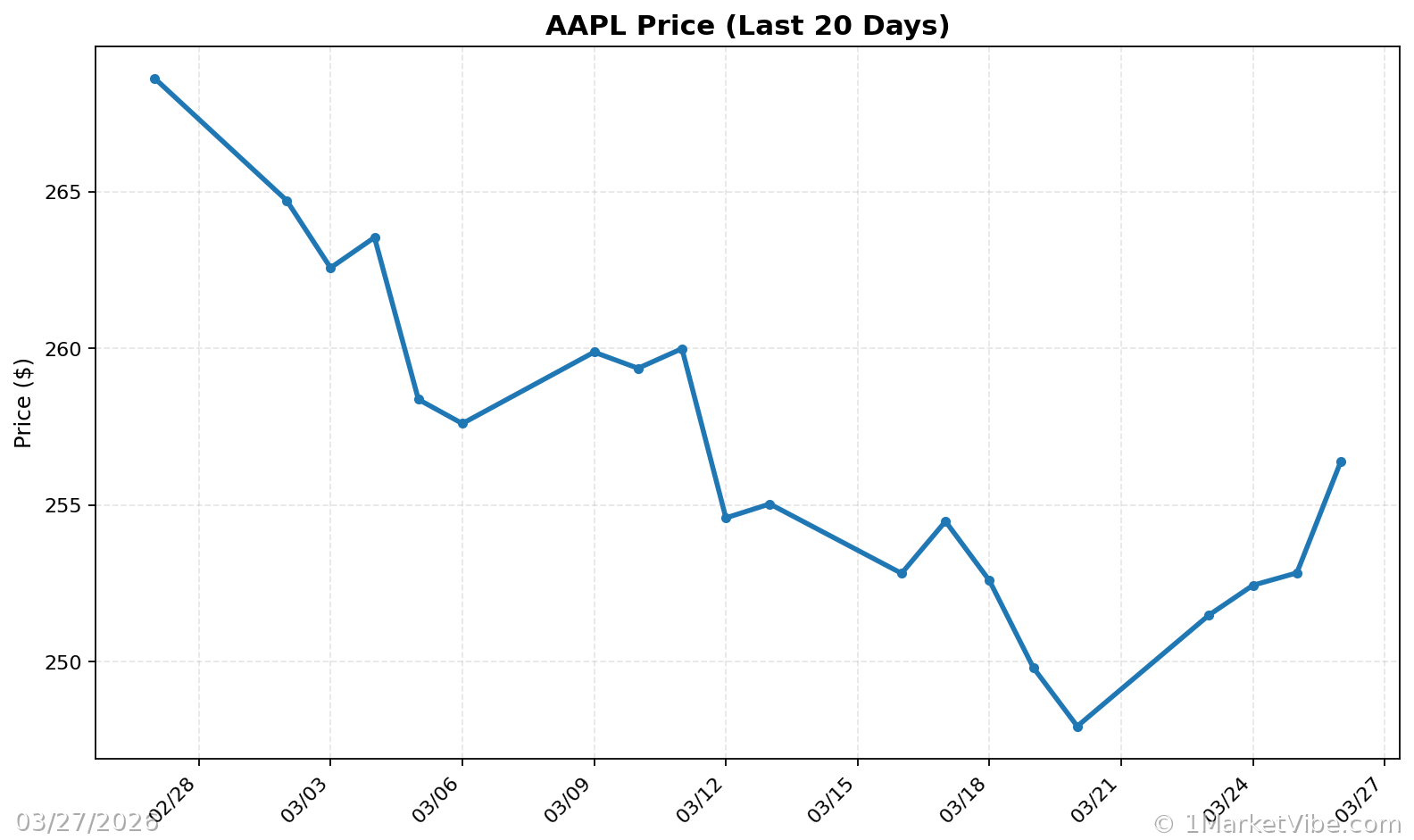
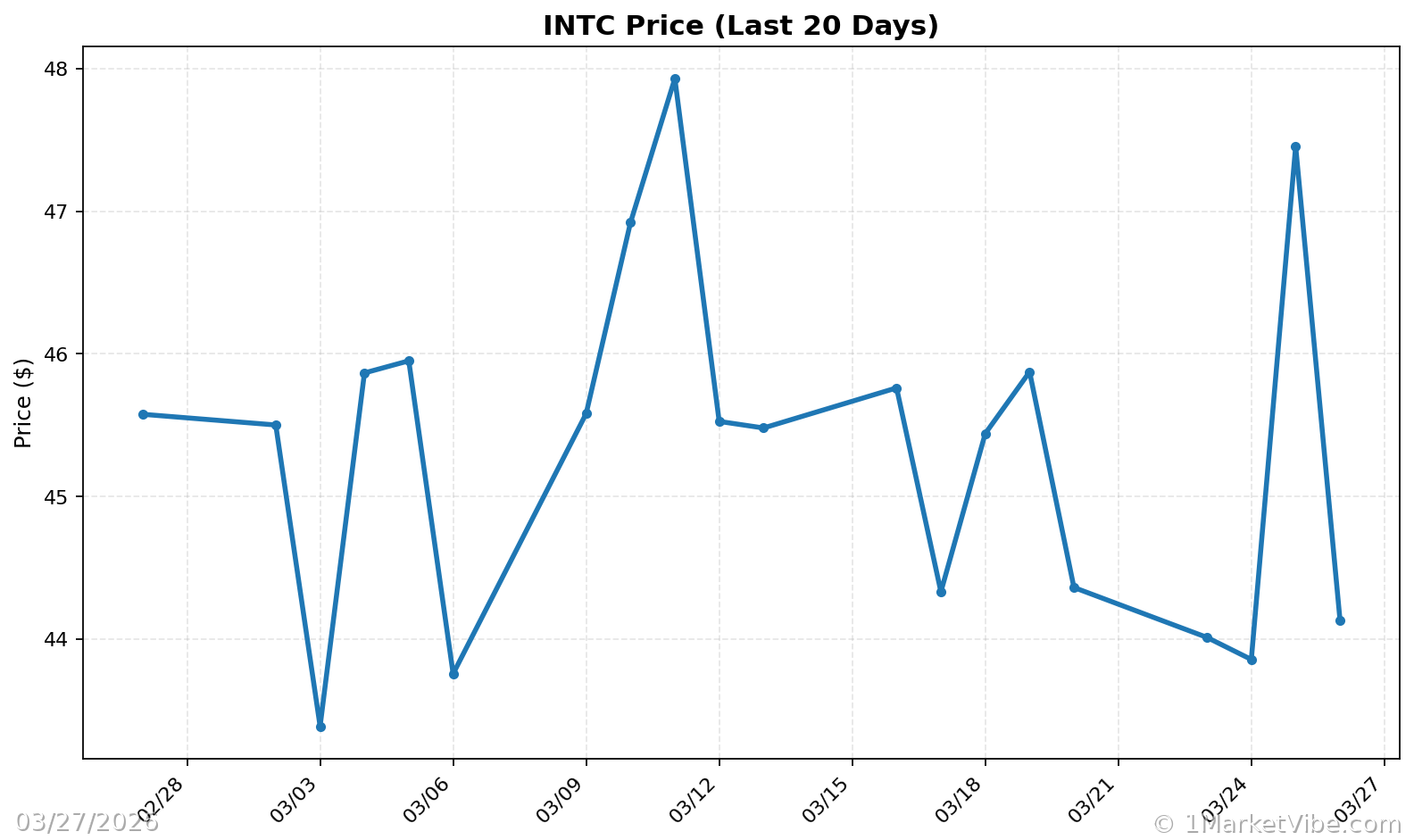
- Tech Stocks: Companies like Apple and Intel are under pressure as potential tariffs threaten their supply chains.
- Global Trade: Increased tariffs could lead to retaliatory measures, further complicating international trade relations.
- Investment Strategies: Investors may need to reassess exposure to tech and manufacturing sectors.
CW Index Insights
MarketVibe's CW Index, known for its early warning capabilities, has been signaling increased risk over the past month. The current reading of 7.5 suggests that investors should brace for continued volatility. Monitoring the index can provide valuable insights into when market conditions might stabilize.
Investor Sentiment & Risk Awareness
For investors, this means adopting a cautious approach. Diversifying portfolios and considering hedging strategies could mitigate potential losses. The sentiment is one of caution, with many opting to reduce exposure to high-risk sectors until clearer resolutions emerge.
What's Next
Investors should watch for key developments, including:
- Diplomatic Talks: Any signs of de-escalation in the U.S.-Iran conflict could stabilize markets.
- Trade Negotiations: Updates on the U.S.-China trade probe will be crucial in determining future market directions.
- Economic Indicators: Upcoming reports on consumer confidence and manufacturing output will provide further insights into the economic impact.
Conclusion
As the situation unfolds, staying informed and agile is crucial for investors navigating these turbulent times. Track how markets respond in real-time at 1marketvibe.com.
Disclaimer: This article is for informational purposes only and does not constitute financial advice. Always consult with a financial advisor before making investment decisions.
Sources:
- Barron's: Why Analysts Love Micron Stock—and the Market Doesn’t
- CNBC: Stock futures fall as traders monitor U.S.-Iran war developments: Live updates
Charts