
Mortgage Demand Declines 10% as Rates Hit October Highs
- Authors

- Name
- MarketVibe Team
- @1marketvibe
Mortgage Demand Declines 10% as Rates Hit October Highs
Breaking News: Mortgage demand has plummeted by 10.5% as interest rates soar to their highest levels since October 2025. According to the Mortgage Bankers Association, the average contract interest rate for 30-year fixed-rate mortgages increased to 6.43%, up from 6.30% just a week prior. This surge in rates has significantly impacted mortgage application volumes across the United States.
Why It Matters
For investors, this steep decline in mortgage demand signals potential turbulence in the housing market. Higher interest rates not only deter new homebuyers but also affect refinancing activities, which saw a 15% drop last week. The immediate impact is a cooling housing market, which could ripple through related sectors such as construction and home improvement. Market sentiment is cautious as affordability constraints and economic uncertainties push potential buyers to the sidelines.
Context & Background
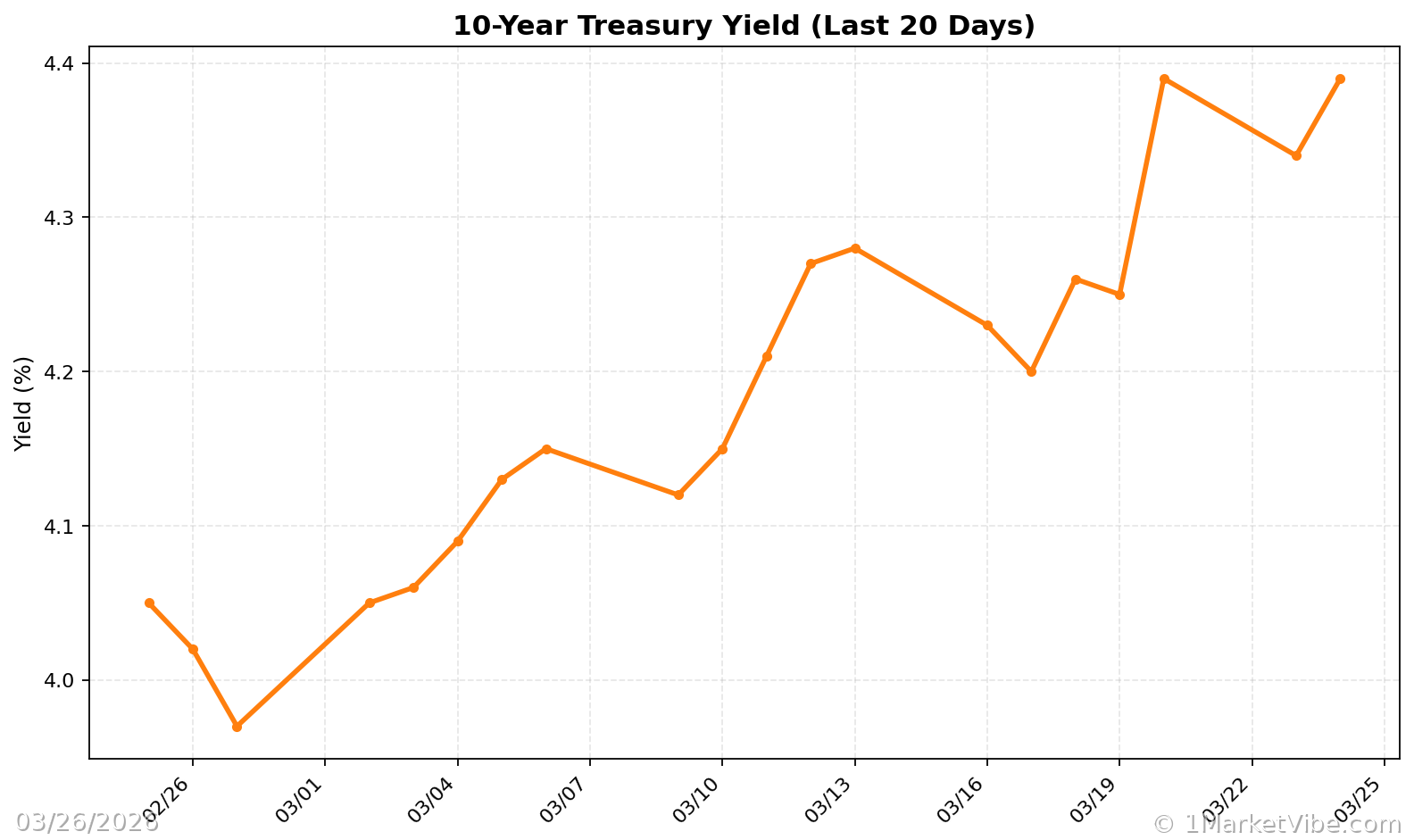
Historically, rising interest rates have often led to decreased mortgage demand. This latest increase is attributed to elevated Treasury yields, influenced by persistent high oil prices. The current rate of 6.43% is a significant jump from the end of February, marking a 30 basis point increase. Key stakeholders, including potential homebuyers and real estate investors, are feeling the pinch as affordability becomes a growing concern.
Impact on Demand
The drop in mortgage applications is a clear indicator of the market's reaction to rising rates. Applications for home purchases fell by 5%, while the refinance share of mortgage activity decreased to 49.6%. This shift highlights the growing challenge for buyers and homeowners looking to refinance, as higher rates make monthly payments less manageable.
Market Sentiment
Current sentiment among potential homebuyers is one of caution. Industry experts, like Joel Kan from the Mortgage Bankers Association, note that economic uncertainty and affordability issues are significant deterrents. The adjustable-rate mortgage (ARM) share of activity has increased to 8.1%, indicating that some buyers are opting for lower initial rates despite the higher risk of future adjustments.
Broader Economic Implications
The broader economic implications of declining mortgage demand are significant. A slowdown in the housing market can lead to reduced consumer spending and lower economic growth. Additionally, the housing market's health is closely tied to consumer confidence, which may waver as affordability issues persist.
Comparative Analysis
Comparing current trends with past market conditions, the housing market has shown resilience in the face of rising rates before. However, the combination of high rates and economic uncertainty presents a unique challenge. Similar conditions in the past have led to a temporary market slowdown, followed by gradual recovery as rates stabilize.
What's Next
Investors should closely monitor upcoming economic reports and Federal Reserve announcements, which could influence future rate adjustments. The risk of continued rate increases remains, and stakeholders should be prepared for potential further declines in mortgage demand. MarketVibe's CW Index, although not directly impacted by this event, remains a valuable tool for tracking broader market risks.
Conclusion
The mortgage market is at a critical juncture as rates hit new highs and demand declines. Investors should remain vigilant, adjusting risk exposure and considering hedging strategies as the situation evolves. Track how markets respond in real-time at 1marketvibe.com.
Disclaimer: This article is for informational purposes only and does not constitute financial advice. Always consult with a financial advisor before making investment decisions.
Sources:
Charts