

Iran Conflict Escalates Amid Rising Fuel Supply Risks in Asia
- Authors

- Name
- MarketVibe Team
- @1marketvibe
Iran Conflict Escalates Amid Rising Fuel Supply Risks in Asia
March 16, 2026 – The ongoing conflict in Iran has intensified, leading to significant disruptions in fuel supplies across Asia. As tensions rise, oil prices have surged to $110 per barrel, marking a critical point for economies heavily dependent on energy imports. This escalation comes at a time when Indonesia, among other nations, is preparing for increased travel demand during the upcoming Eid celebrations.
Why It Matters
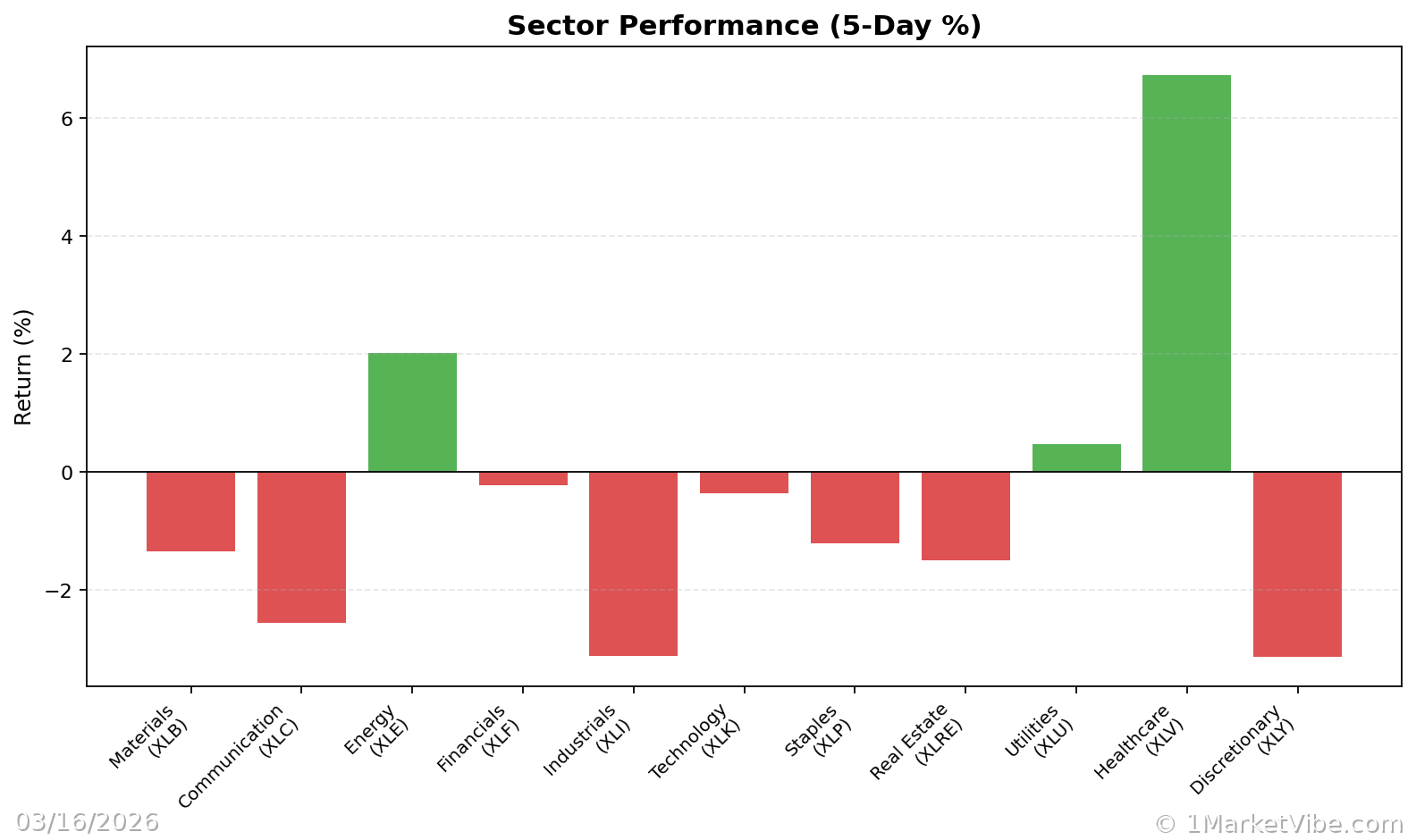
The immediate impact of the Iran conflict is a sharp increase in oil prices, which has already begun to strain Asian economies. For investors, this means heightened market volatility and increased risk in energy-dependent sectors. The broader implications are significant, with potential inflationary pressures and economic instability looming. MarketVibe's CW Index, which currently stands at 7.9, reflects these rising risks, indicating a need for cautious portfolio adjustments.
Context & Background
Historically, geopolitical tensions in the Middle East have led to fluctuations in global oil markets. The current situation in Iran is reminiscent of past conflicts that disrupted supply chains and spiked fuel prices. The conflict's escalation has been compounded by strategic output cuts, such as those recently announced by Bahrain at one of the world's largest aluminum smelters, further tightening supply.
Key stakeholders affected include major Asian economies like Indonesia, which is grappling with a tumbling currency and civil unrest. The Indonesian government, led by President Prabowo Subianto, faces mounting challenges as it navigates these economic pressures ahead of a critical travel period.
What's Next
Investors should watch for further developments in the Iran conflict, as any additional escalations could exacerbate fuel supply issues. The upcoming Eid travel surge in Indonesia is likely to increase fuel demand, potentially leading to further price spikes. Monitoring the CW Index for early warning signals can provide valuable insights into market trends and risk levels.
Potential scenarios include continued price volatility and increased inflationary pressures across Asia. Investors are advised to remain vigilant and consider hedging strategies to mitigate risks associated with these developments.
Conclusion
The escalation of the Iran conflict presents significant challenges for Asian economies, particularly in the energy sector. Rising oil prices and supply chain vulnerabilities highlight the need for strategic investment decisions. As the situation unfolds, staying informed and responsive to market signals is crucial.
Track how markets respond in real-time at 1marketvibe.com.
Disclaimer: This article is for informational purposes only and does not constitute financial advice. Please consult with a financial advisor for personalized guidance.
Sources:
- Bloomberg.com
- CoinDesk
- MarketVibe Data