
Iran Conflict Drives Market Volatility as CW Index Indicates Instability
- Authors

- Name
- MarketVibe Team
- @1marketvibe
Iran Conflict Drives Market Volatility as CW Index Indicates Instability
March 17, 2026 — The ongoing conflict in Iran has sent shockwaves through global markets, causing significant volatility. As tensions escalate, the CW Index has risen to 6.54, signaling heightened instability. This development comes amid rising oil prices and growing concerns over the Federal Reserve's next moves.
Why It Matters
For investors, this means navigating a landscape fraught with uncertainty. The immediate impact is evident in fluctuating stock prices and increased risk premiums. The broader implications include potential shifts in monetary policy and the stress on private capital markets. Market sentiment has turned cautious, with many investors reassessing their portfolios in light of these geopolitical tensions.
Context & Background
Historically, geopolitical conflicts in the Middle East have led to market turbulence, primarily due to their impact on oil prices. The current situation is no different. The conflict in Iran, exacerbated by U.S. foreign policy, has pushed oil prices above $100 per barrel, straining U.S. shale producers caught between high costs and political pressures. Tony Yoseloff of Davidson Kempner warns that a substantial portion of private equity firms are already "stressed or distressed," highlighting the broader market vulnerabilities.
What's Next
Investors should keep a close eye on upcoming Federal Reserve meetings, as the central bank may adjust its policy in response to these developments. Additionally, watch for further fluctuations in oil prices and their ripple effects across various sectors. The CW Index's current reading suggests that these trends were predictable, offering a 4-6 week early warning capability.
- Upcoming Events to Watch:
- Federal Reserve policy announcements
- Oil price movements
- Developments in U.S.-Iran relations
CW Index Analysis
The CW Index's rise to 6.54 underscores the increased risk environment. This index, built by investors for investors, provides early signals of market instability, helping to guide strategic decisions. As the situation evolves, monitoring the CW Index can offer valuable insights into potential market trends.
Investor Strategies
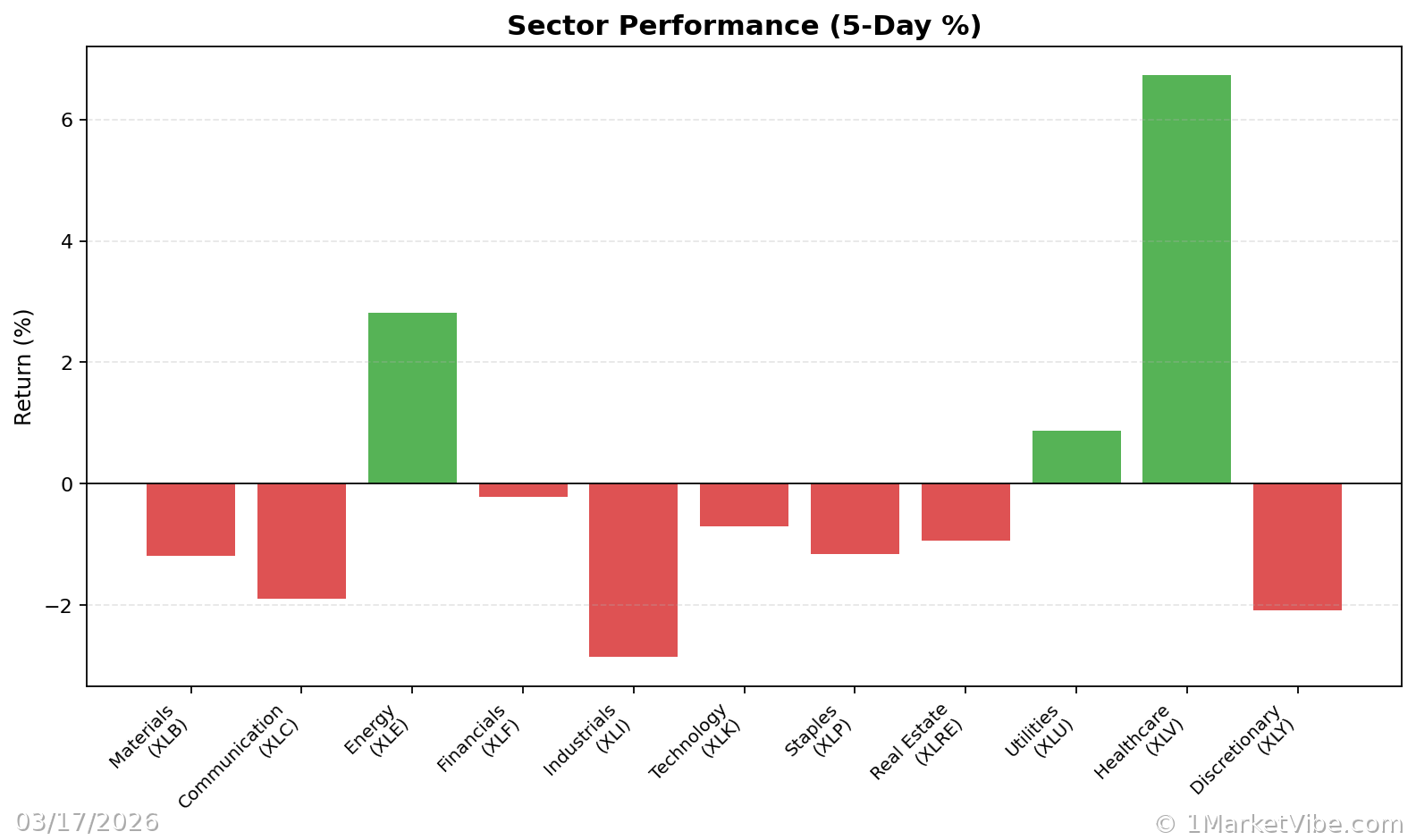
In this volatile environment, investors should consider adjusting their risk exposure, particularly in sectors directly affected by oil price changes. Hedging strategies may be prudent if the CW Index continues its upward trend. Keeping a diversified portfolio and staying informed about geopolitical developments are crucial steps in managing risk.
Conclusion
The Iran conflict is a pivotal factor driving current market volatility. As the situation unfolds, the importance of monitoring ongoing developments cannot be overstated. Investors are urged to stay vigilant and adapt their strategies accordingly.
Track how markets respond in real-time at 1marketvibe.com.
Disclaimer: This article is for informational purposes only and does not constitute financial advice. Please consult with a financial advisor before making investment decisions.
Sources:
- Financial Times: Wall St underestimates private capital problems
- Financial Times: Why US shale producers are not cheering $100 oil
- Hindustan Times: IIT grad's salary and quality of life in Ireland
Charts