
Fed Rate Cut Expectations Increase Amid Easing Geopolitical Tensions in Iran
- Authors

- Name
- MarketVibe Team
- @1marketvibe
Fed Rate Cut Expectations Increase Amid Easing Geopolitical Tensions in Iran
April 09, 2026 – In a significant development, expectations for a Federal Reserve rate cut have surged following the announcement of easing geopolitical tensions in Iran. This shift comes as the U.S. and Iran reached a tentative truce on April 8, 2026, aimed at de-escalating recent conflicts that had heightened global market volatility. As a result, market analysts are now increasingly betting on a Fed rate cut by the end of the year, with the probability of such a move rising to 65% according to recent market data.
Why It Matters
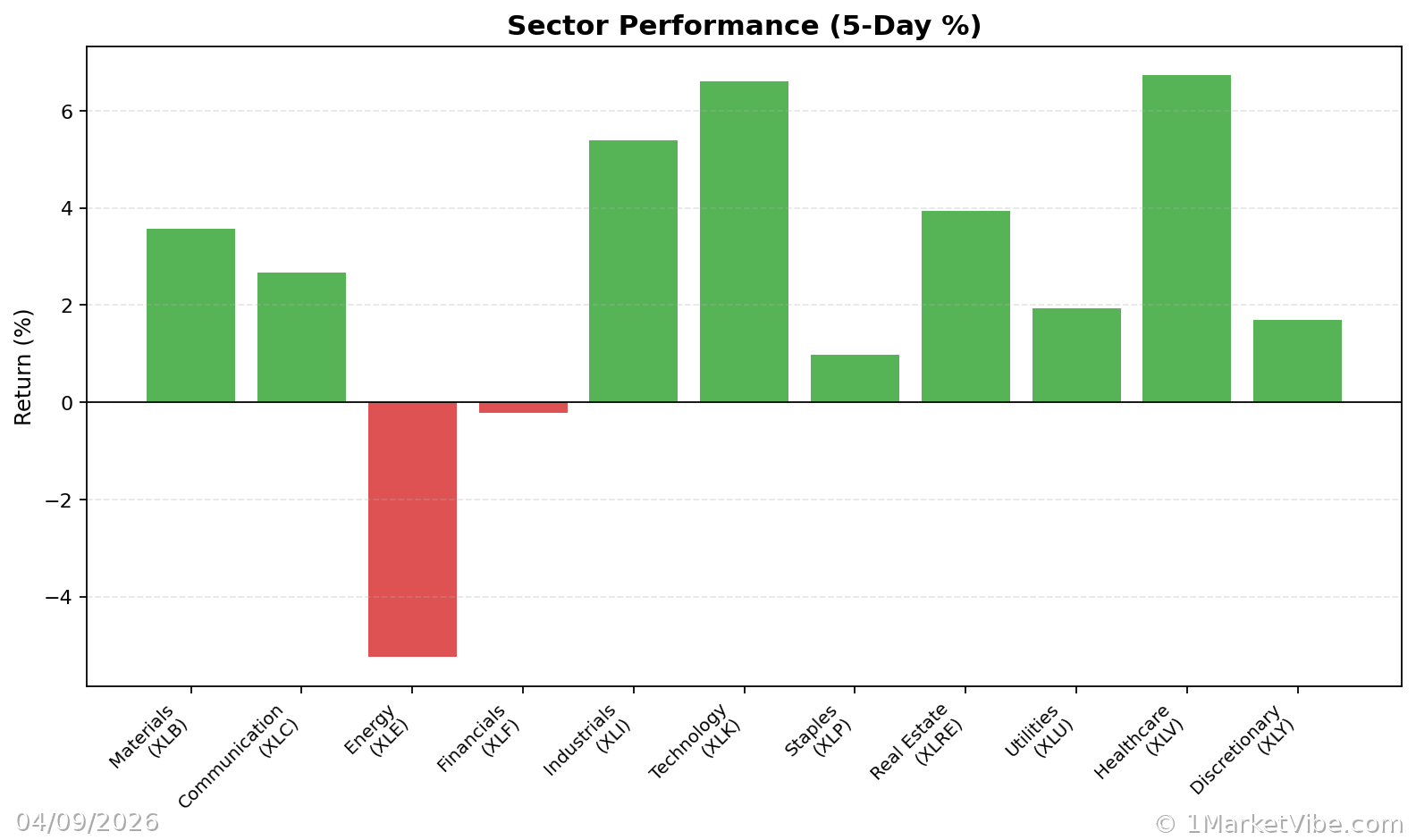
For investors, this development signals a potential shift in monetary policy that could stabilize markets previously rattled by geopolitical uncertainties. The easing tensions in Iran have led to a decrease in oil prices, which had spiked due to fears of supply disruptions. Lower oil prices can reduce inflationary pressures, providing the Fed with more room to maneuver on interest rates. The immediate impact is a boost in market sentiment, as evidenced by a 2% rise in the S&P 500 following the truce announcement. However, the prospect of a rate cut also introduces new risks, such as potential overheating in certain asset classes.
Geopolitical Context
The geopolitical tensions between the U.S. and Iran have been a significant source of market instability over the past year. Escalating conflicts had driven oil prices up by nearly 20% since January 2026, affecting global supply chains and increasing inflationary pressures worldwide. The recent truce, brokered with the help of European allies, marks a pivotal moment in easing these tensions. Historically, similar geopolitical resolutions have led to temporary market rallies, though the long-term impact often depends on the durability of such agreements.
Fed Rate Cut Speculation
The Iran truce has directly influenced market expectations regarding Federal Reserve actions. With inflationary pressures potentially easing, the Fed might consider a rate cut to support economic growth. Market reactions to these speculations have been swift, with bond yields dropping and the U.S. dollar weakening against major currencies. Investors are now closely monitoring Fed communications for any hints of policy shifts, as a rate cut could have broad implications for asset allocation strategies.
Market Stability Risks
While the prospect of a Fed rate cut is generally seen as positive for equities, it also raises concerns about market stability. Lower interest rates can lead to increased borrowing and risk-taking, potentially inflating asset bubbles. In the current geopolitical climate, such risks are amplified by the uncertainty surrounding the sustainability of the Iran truce. Investors should remain cautious, balancing the potential benefits of a rate cut with the inherent risks of increased market volatility.
Current Market Indicators
MarketVibe's CW Index, which tracks market risk and sentiment, has reacted to these developments, ticking up to 5.6. This reading suggests a moderate risk environment, reflecting both the optimism from the Iran truce and the caution surrounding potential Fed actions. Investors are advised to monitor the CW Index for early warning signals as the situation evolves.
Expert Opinions
Experts are divided on the likelihood of a Fed rate cut. Some analysts argue that the easing of geopolitical tensions provides a window for the Fed to act preemptively, while others caution that the central bank may wait for more concrete economic data before making a decision. Diverse perspectives highlight the complexity of the current economic landscape and the challenges facing policymakers.
Conclusion
The easing of geopolitical tensions in Iran and the subsequent increase in Fed rate cut expectations represent a critical juncture for global markets. Investors should stay informed and vigilant as these developments unfold, considering both the opportunities and risks they present. Track how markets respond in real-time at 1marketvibe.com.
Disclaimer: This article is for informational purposes only and does not constitute financial advice. Always consult with a financial advisor before making investment decisions.
Charts